Nvidia Stock Surges 8% as AI Giant Launches Political PAC: What It Means for AI Content Creators
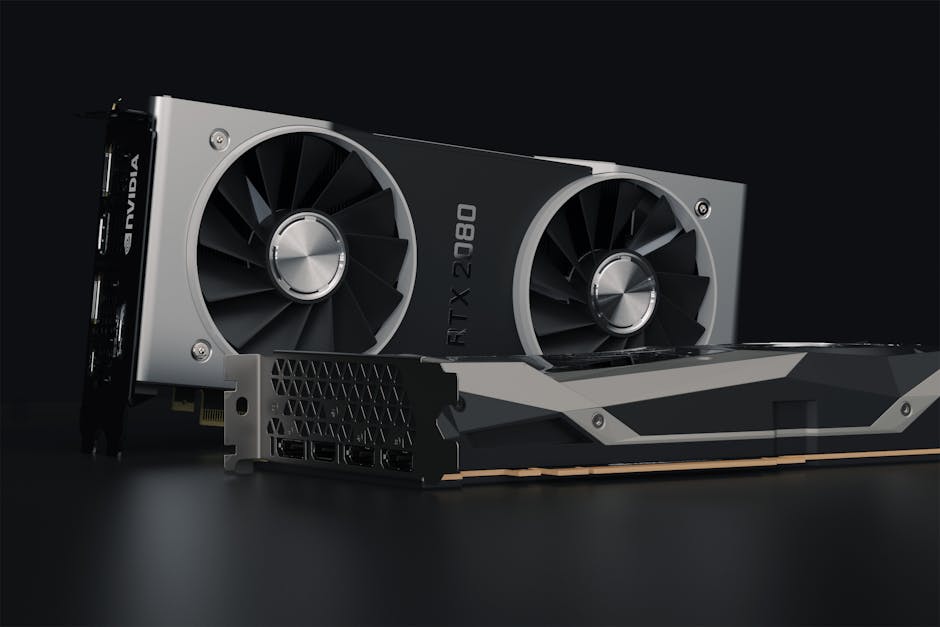
Source: Blockonomi (August 28, 2026) – Nvidia’s stock (NVDA) surged 8.74% following the company’s filing with the Federal Election Commission to establish an employee-funded political action committee (PAC), a strategic move to expand its influence in Washington as U.S. AI policy takes shape. The rally added over $250 billion to Nvidia’s market capitalization in a single session, underscoring investor confidence that the chipmaker is proactively shaping the regulatory landscape critical to its core AI business.
For AI content creators, this isn’t just a financial story. It’s a signal that the foundational infrastructure of our industry—from the GPUs that train large language models to the legal frameworks governing AI use—is entering a new phase of political maturation. The decisions made in Congress over the next 12-24 months will directly impact data sourcing, copyright liability, transparency requirements, and the competitive environment for AI-powered content tools like EasyAuthor.ai.
Decoding Nvidia’s Washington Play: More Than Just Chip Lobbying

Nvidia’s PAC filing, submitted on August 27, 2026, represents a formal escalation of its government affairs strategy. While the company has long maintained a lobbying presence, a PAC allows it to directly contribute to federal candidates and committees, amplifying its voice on Capitol Hill. This move coincides with active legislative sessions debating multiple AI-focused bills, including the proposed AI Accountability Act of 2026 and amendments to Section 230 concerning AI-generated content.
Analysts point to three core policy areas where Nvidia’s influence will be most aggressively deployed:
- Export Controls & Supply Chain Security: Advocating for favorable regulations on the sale of advanced AI chips (like the H200 and Blackwell platforms) to international markets and ensuring stable access to semiconductor manufacturing materials.
- Research Funding & Tax Credits: Supporting legislation that funds public AI research initiatives and extends tax incentives for companies investing in AI infrastructure, which could lower costs for cloud GPU rentals.
- AI Governance & Standards: Influencing the development of risk-based regulatory frameworks that avoid overly restrictive rules on model training and deployment, which could stifle innovation for downstream AI applications, including content creation.
The market’s 8.74% surge reflects a belief that Nvidia is not just a passive technology supplier but an active architect of its future operating environment. As Wedbush analyst Dan Ives noted, “This is a defining moment. Nvidia is ensuring its seat at the table where the rules of the AI decade are written.”
The Direct Impact on the AI Content Creation Ecosystem

The regulatory environment Nvidia helps shape will trickle down to every tool and creator in the AI content space. Here’s how evolving policy could directly affect your workflow and business.
1. Data Sourcing and Copyright Clarity: A major unresolved issue for AI content platforms is the legal status of training data. Legislative proposals range from establishing mandatory licensing regimes to creating broad fair-use exemptions. Nvidia, whose hardware is used to train models on massive datasets, has a vested interest in supporting flexible, innovation-friendly copyright interpretations. The outcome will determine the long-term viability and legal risk profile of AI models powering content generators. Stricter rules could increase licensing costs for AI tool providers, potentially raising subscription prices for end-users.
2. Transparency and Disclosure Requirements: Several bills in Congress propose mandatory labeling or disclosure of AI-generated content. For bloggers and content marketers using AI assistance, this could mean new compliance steps. Will you need to add a disclaimer to every blog post drafted with AI? The specifics of these rules—whether they apply to fully AI-generated text or human-edited AI drafts—are still being debated. Nvidia’s lobbying efforts will likely favor standardized, non-burdensome disclosure frameworks that don’t hamper adoption.
3. Competition and Open-Source Access: Policy can shape market concentration. Regulations that impose huge compliance costs (e.g., for model safety testing) could advantage large, well-funded players like Nvidia and its major cloud customers (AWS, Google Cloud, Azure) while squeezing out smaller open-source model developers. For content creators, this could mean less choice and higher costs for accessing cutting-edge models if the ecosystem becomes less competitive.
Practical Strategies for AI Content Creators in a Shifting Landscape
You don’t need to lobby Congress, but you must be strategically agile. Here are actionable steps to future-proof your AI content creation process.
1. Diversify Your AI Tool Stack: Don’t rely on a single model or platform. Integrate multiple AI writing assistants (e.g., ChatGPT, Claude, specialized tools like EasyAuthor.ai) and image generators. This mitigates risk if one provider faces regulatory challenges or changes its terms of service. Use APIs to create a resilient, multi-source content generation pipeline.
2. Implement Proactive Disclosure and Ethical Guidelines: Regardless of final laws, establishing clear internal policies for AI use builds trust with your audience. Consider adding a simple, standardized disclaimer like “This post was created with AI assistance and thoroughly fact-checked and edited by our team.” Document your human-in-the-loop editing process. This creates an audit trail and demonstrates responsible use, which will be valuable under any regulatory regime.
3. Stay Informed on Policy Developments: Follow key resources to monitor AI policy:
- Congress.gov: Track bills like the “AI Accountability Act.”
- U.S. Copyright Office: Monitor ongoing studies and rulings on AI and copyright.
- Industry Groups: Follow statements from the AI Now Institute, Stanford HAI, and the Chamber of Commerce’s AI Commission.
Set up Google Alerts for terms like “AI regulation Congress” and “AI copyright ruling.”
4. Focus on Irreplaceable Human Value: The ultimate hedge against regulatory uncertainty is to deepen the human elements of your content. Use AI for ideation, drafting, and SEO optimization, but invest heavily in unique expert analysis, proprietary data, original interviews, and compelling storytelling that AI cannot replicate. This ensures your content’s core value is regulation-proof.
Conclusion: Navigating the Political Layer of AI Content
Nvidia’s 8% stock surge and its new PAC are bellwethers. The AI content revolution is entering its political phase. The hardware, models, and tools we use are no longer just products of engineering labs but subjects of congressional hearings and regulatory frameworks.
For savvy content creators, this means adding “regulatory awareness” to your core skills. The policies crafted today will define the playing field for years to come. By understanding the stakes, diversifying your tools, implementing ethical practices, and doubling down on human creativity, you can turn regulatory uncertainty into a competitive advantage. The future of AI content belongs to those who can master both the prompt and the policy.
