Nvidia Q1 Earnings Report: A Critical Inflection Point for AI Content Creation
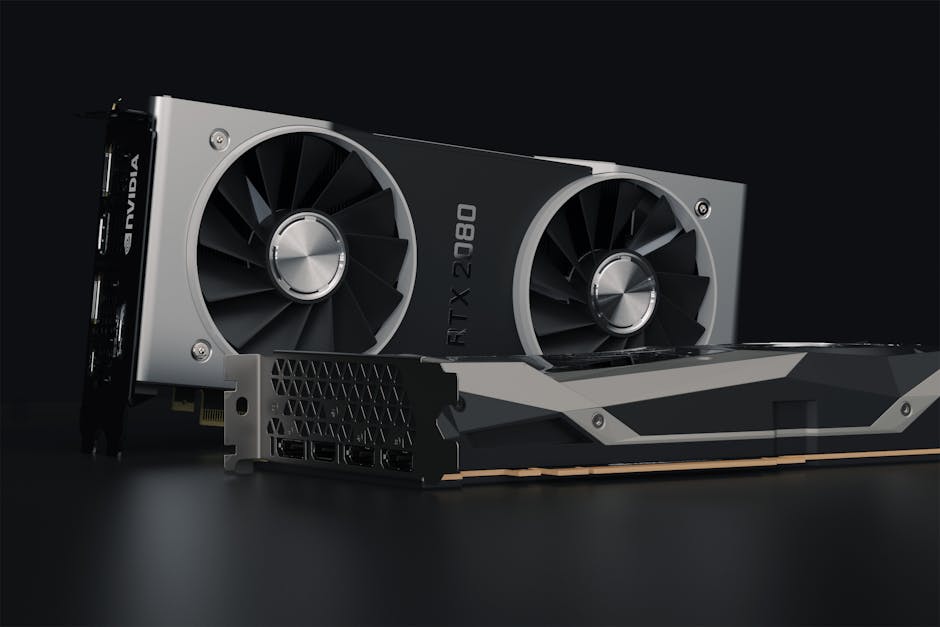
According to a report by Blockonomi on May 20, 2026, Nvidia (NVDA) is set to report its Q1 fiscal 2027 earnings, with Wall Street analysts projecting revenue of $78.75 billion. The report, scheduled for May 20, 2026, is more than a financial milestone; it’s a leading indicator for the entire AI content creation ecosystem. The key factors to watch—Q2 guidance, the impact of China restrictions, and the launch of the new Vera Rubin GPU platform—will directly influence the cost, capability, and accessibility of the AI models that power tools like ChatGPT, Midjourney, and the very platforms content creators rely on daily.
Decoding the Nvidia Report: What AI Content Creators Need to Understand

The Nvidia earnings call is a treasure trove of data points that signal the health and trajectory of the AI industry. For content creators, three metrics are paramount.
First, Data Center Revenue is the most critical number. This segment, which includes sales of H100, H200, and the upcoming Blackwell GPUs to cloud providers like AWS, Google Cloud, and Microsoft Azure, represents the raw computational power behind AI services. Analysts expect this figure to exceed $65 billion for Q1. A significant beat or miss here directly correlates to cloud infrastructure costs. If demand outstrips supply (a “beat”), prices for AI API calls (e.g., from OpenAI or Anthropic) may remain high or increase. A “miss” could signal cooling demand and potentially lead to more competitive pricing from AI service providers.
Second, Forward Guidance for Q2 is arguably more important than the Q1 results. Management’s commentary on expected revenue, often provided as a range (e.g., “$85B to $90B”), reveals their confidence in the near-term AI investment cycle. Strong guidance suggests hyperscalers (Microsoft, Google, Amazon) are continuing massive capital expenditures (CapEx) on AI data centers, ensuring that new, more powerful models will continue to be developed and deployed rapidly. This fuels the innovation cycle for AI content tools.
Third, Gross Margin provides insight into Nvidia’s pricing power and the economics of the AI hardware market. Nvidia has maintained industry-leading margins above 70%. Sustained high margins indicate that despite competition from AMD and custom chips (like Google’s TPUs), demand for Nvidia’s full-stack platform (GPUs + CUDA software) remains insatiable. This dominance reinforces the company’s role as the gatekeeper of AI advancement.
The Direct Impact on AI Content Tools and Workflows

The outcomes of this earnings report will ripple through the tools and services used by millions of content creators within weeks and months.
1. Model Performance and Access: Nvidia’s product roadmap, specifically commentary on the “Vera Rubin” GPU platform launch, dictates the hardware available for training next-generation LLMs. More powerful and efficient GPUs enable AI labs to train larger, more capable models faster. For creators, this translates to more accurate writing assistants, higher-resolution image generators, and faster video synthesis tools. A positive update on Vera Rubin accelerates the timeline for these advancements.
2. Operational Costs: The supply-demand dynamics highlighted in the report affect the bottom line of AI-as-a-Service companies. If Nvidia signals continued supply constraints, AI tool providers may be forced to maintain or raise subscription prices (e.g., for ChatGPT Plus, Claude Pro, or Midjourney) to cover their infrastructure costs. Conversely, signs of easing supply or increased competition could put downward pressure on these costs, potentially leading to more affordable tiered plans or higher usage limits for creators.
3. The China Factor: U.S. export restrictions have created a bifurcated market. Nvidia’s sales of downgraded chips (like the H20) to China will be a key topic. Significant revenue from this segment indicates a robust, parallel AI development ecosystem in China, which could lead to the emergence of competitive, region-specific AI content tools (e.g., from companies like Baidu or Alibaba) that global creators may eventually access.
Practical Strategies for AI Content Creators in a Volatile Market
Given Nvidia’s pivotal role, savvy content strategists should use this earnings event to inform their planning and tool selection.
1. Hedge Your Tool Stack: Avoid over-reliance on a single AI model or provider whose costs are directly tied to Nvidia’s flagship GPUs. Diversify your toolkit. For example, use OpenAI’s GPT-4 for complex ideation, but leverage more cost-effective or open-source alternatives like Claude Haiku for summarization or Llama 3 via platforms like Replicate for specific tasks. Tools like EasyAuthor.ai that optimize for cost-efficiency across multiple AI backends provide a buffer against price volatility.
2. Prioritize Workflow Automation: The long-term trend is clear: AI compute is a valuable resource. Invest time now in building automated, efficient content pipelines. Use tools that batch process content, cache results, and minimize redundant API calls. For instance, instead of generating every social media post in real-time with a premium model, create weekly content batches using a strategic mix of models. Automate publishing to WordPress via REST API or plugins to lock in efficiency gains.
3. Monitor for New Opportunities: Positive earnings often spur announcements from partners. Watch for follow-on news from cloud providers (AWS, Azure, GCP) about new AI instance types or price reductions. Similarly, AI software companies like Adobe (Firefly), Jasper, or Copy.ai may announce new features or partnerships enabled by increased compute availability. Set up Google Alerts for terms like “Nvidia earnings AI partnership” and “cloud AI price reduction” in the week following the report.
4. Factor “AI Inflation” into Budgets: If Nvidia’s report indicates sustained high demand and pricing power, content teams should anticipate stable or slightly increasing costs for premium AI services through 2026. Budget for this in quarterly plans. Conversely, explore locking in annual subscriptions with current pricing if you anticipate heavy usage, as a hedge against potential price hikes.
Looking Ahead: The AI Content Ecosystem’s Hardware Foundation
The Nvidia Q1 2027 earnings report is not merely a financial event for investors; it’s a strategic briefing for anyone whose content strategy is built on AI. The data revealed on May 20 will shape the availability, capability, and cost of the generative AI tools that define modern content creation for the remainder of the year. By understanding the link between GPU supply, model training, and end-user application, content strategists can make more informed decisions, build more resilient workflows, and capitalize on the next wave of AI innovation. The message is clear: in the AI-driven content landscape, keeping one eye on Silicon Valley’s hardware pipelines is as important as mastering the latest prompt engineering technique.
