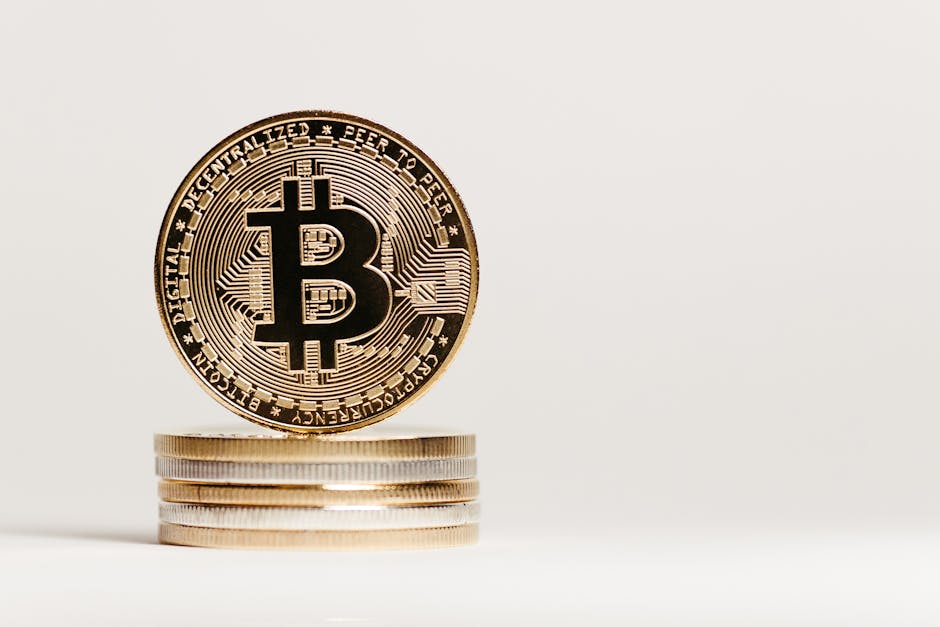
Bitcoin in 2026: A Glimpse into the Future of Cryptocurrency
The world of cryptocurrency has always been a rapidly evolving landscape, driven by technological innovation, market dynamics, and regulatory developments. As we look towards 2026, Bitcoin, the original and most well-known cryptocurrency, continues to be a central figure in this digital revolution. In this article, we delve into the potential future of Bitcoin, examining key factors that could shape its trajectory over the next few years.
The State of Bitcoin in 2023
As of 2023, Bitcoin stands as a mature asset class, with a market capitalization exceeding $1 trillion. Its adoption by mainstream financial institutions and its recognition as a legitimate store of value have solidified its place in the global financial ecosystem. However, Bitcoin’s journey has been anything but smooth, characterized by volatile price swings, regulatory scrutiny, and technological challenges. Understanding its current state provides a foundation for projecting its future.
Technological Advancements
One of the most significant factors influencing Bitcoin’s future is technological advancement. Innovations such as the Lightning Network have already begun to address Bitcoin’s scalability issues, enabling faster and cheaper transactions. By 2026, we can expect further enhancements in Bitcoin’s underlying technology, potentially including improved privacy features and enhanced smart contract capabilities.
These advancements will not only make Bitcoin more user-friendly and efficient but also expand its use cases beyond a mere store of value. As developers continue to innovate, Bitcoin could see increased adoption in areas such as micropayments, decentralized finance (DeFi), and even digital identity solutions.
Regulatory Landscape
Regulation has always been a double-edged sword for Bitcoin. While regulatory clarity can foster adoption by providing legitimacy and protection for investors, overly stringent regulations can stifle innovation and limit growth. By 2026, it is likely that the regulatory landscape around Bitcoin will be more defined, with governments around the world recognizing the importance of balancing control with innovation.
Countries that adopt forward-thinking regulations could become hubs for cryptocurrency innovation, attracting talent and investment. Conversely, nations that impose restrictive measures may see an exodus of crypto-related businesses and a decline in their competitive edge in the global financial market.
Institutional Adoption
The involvement of institutional investors in Bitcoin has been a game-changer, providing the cryptocurrency with a level of stability and legitimacy previously unseen. By 2026, institutional adoption is expected to further accelerate, driven by the ongoing search for alternative assets amid economic uncertainty. Pension funds, sovereign wealth funds, and other large investors may increase their exposure to Bitcoin, contributing to its maturation as an asset class.
This influx of institutional capital could lead to greater price stability and reduced volatility, making Bitcoin a more attractive investment for both retail and institutional investors. Moreover, we may see the development of new financial products that incorporate Bitcoin, such as Bitcoin ETFs, further integrating it into the traditional financial system.
Environmental Concerns and Sustainability
Bitcoin’s environmental impact has been a topic of intense debate, with critics pointing to its energy-intensive proof-of-work consensus mechanism. However, by 2026, the narrative around Bitcoin’s sustainability could shift. Innovations in renewable energy and mining efficiency could significantly reduce the carbon footprint of Bitcoin mining.
Furthermore, initiatives aimed at promoting sustainable mining practices could gain traction, aligning Bitcoin with global efforts to combat climate change. As these developments unfold, Bitcoin’s environmental impact may become less of a barrier to its adoption and acceptance.
Market Dynamics and Price Predictions
Predicting Bitcoin’s price in 2026 is inherently speculative, given the myriad factors at play. However, several trends suggest a bullish outlook. The increasing scarcity of Bitcoin, as its maximum supply approaches, combined with growing demand from both retail and institutional investors, could drive prices higher.
Moreover, if Bitcoin continues to establish itself as a hedge against inflation and economic instability, its value proposition as ‘digital gold’ will likely strengthen. While short-term volatility is inevitable, the long-term trajectory for Bitcoin appears promising, with some analysts predicting prices reaching new all-time highs by 2026.
Conclusion
As we look towards 2026, Bitcoin stands at the intersection of technological innovation, regulatory evolution, and market transformation. Its journey from a niche digital currency to a mainstream financial asset is a testament to its resilience and adaptability. While challenges remain, the potential for Bitcoin to reshape the global financial landscape is immense, promising a future that is as exciting as it is uncertain.


