OpenAI Launches ChatGPT Search Engine, Disrupting Google’s Dominance
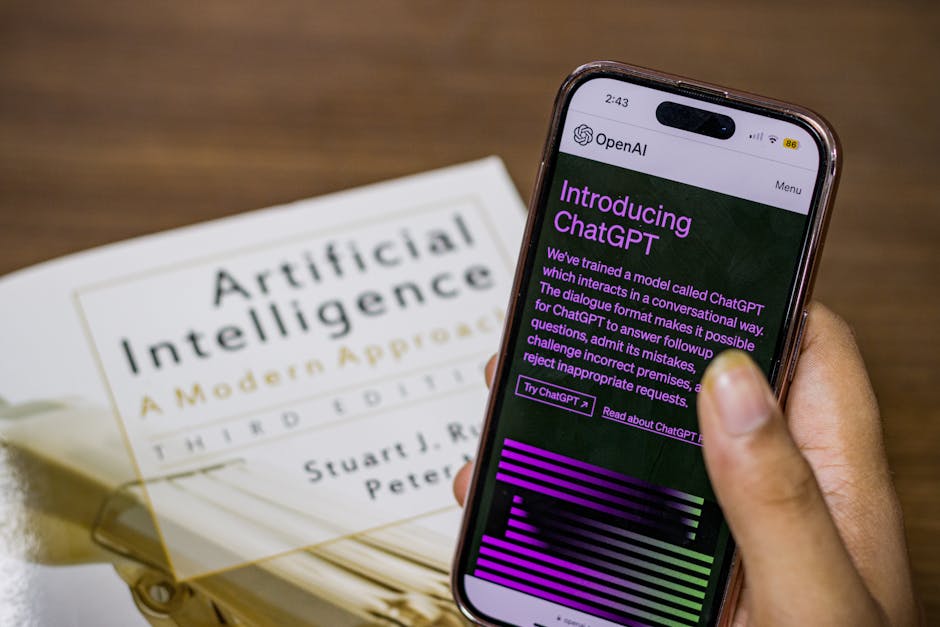
On May 13, 2024, OpenAI unveiled its most significant competitive move yet: a standalone, real-time web search engine powered by its ChatGPT AI. This new product, announced via a livestream and confirmed by CEO Sam Altman, directly challenges Google’s 25-year stranglehold on the search market. The launch signals a seismic shift in how users will find information online, moving from a list of links to an AI-generated, conversational answer. For AI content creators, this fundamentally changes the game for SEO, content strategy, and audience discovery.
What the ChatGPT Search Engine Is and How It Works
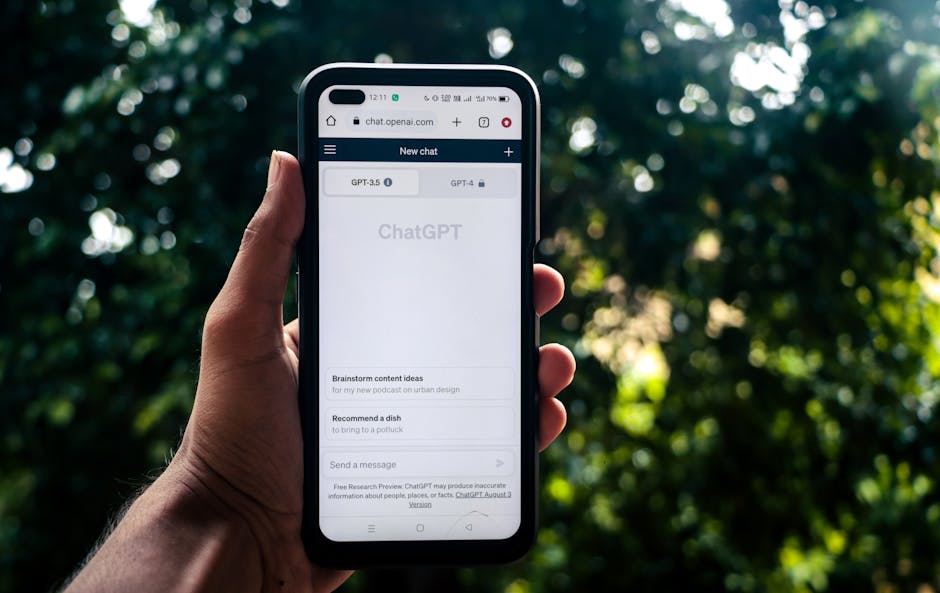
The new search interface, accessible at search.chatgpt.com, presents a clean, familiar search bar. Unlike the existing web browsing feature in ChatGPT Plus, this is a dedicated, free-to-use search product. Early screenshots and demos show it providing comprehensive answers that synthesize information from multiple web sources, complete with citations in a carousel format below the main response. It leverages the same GPT-4o model announced at OpenAI’s Spring Update, granting it advanced reasoning capabilities across text, audio, and vision.
Critically, the engine operates in real-time, pulling the latest information from the web. This addresses a core limitation of previous ChatGPT versions, which were constrained by knowledge cut-off dates. The product is expected to roll out gradually, with some users gaining immediate access. Its launch follows months of speculation, fueled by the discovery of the search.chatgpt.com subdomain and job listings for search infrastructure engineers. This is not an incremental update; it’s a full-scale assault on the $500 billion global search advertising market.
Immediate Impact for AI Content Creators and Bloggers
The rise of AI-powered “answer engines” like ChatGPT Search creates both an existential threat and a massive opportunity for content creators. The traditional SEO playbook, focused on ranking for keywords to capture Google clicks, is becoming obsolete. When users get a direct, synthesized answer at the top of their search, they have less reason to click through to individual websites. This threatens organic traffic, which is the lifeblood of most blogs and content-based businesses.
However, this new paradigm also creates a powerful incentive. To be cited as a source within the AI’s answer is the new pinnacle of content success. It represents a form of ultra-prestigious, zero-click branding and authority signaling. Content that provides clear, factual, and comprehensive answers to specific queries is more likely to be ingested and referenced by the AI. This shifts the focus from mere keyword density to demonstrable expertise, structured data, and direct utility. For creators using tools like EasyAuthor.ai, this means workflows must evolve from generating generic blog posts to creating definitive, citation-worthy resource pages.
Practical Tips to Optimize Content for ChatGPT Search

To adapt and thrive in the age of AI search, content creators must implement new strategies immediately. Here are actionable steps based on the engine’s expected behavior:
- Prioritize E-E-A-T with Concrete Proof: Google’s E-E-A-T (Experience, Expertise, Authoritativeness, Trustworthiness) framework is now more critical than ever. Showcase author credentials, cite original research, link to reputable sources, and demonstrate first-hand experience. AI models are trained to prioritize trustworthy sources.
- Structure Content for Machine Comprehension: Use clear hierarchical headings (H2, H3, H4), bulleted lists, and definition tables. Answer questions directly in the opening paragraphs. Implement schema markup (JSON-LD) for articles, FAQs, How-Tos, and definitions to help AI bots understand your content’s context and entities.
- Target “Citation-Worthy” Query Types: Focus on content that answers complex “how,” “why,” and “what is” questions, provides step-by-step tutorials, offers data-driven comparisons, or gives expert analysis. These are the queries where users want a synthesized answer, and your content can be the primary source.
- Update and Maintain Content Rigorously: Real-time search favors fresh, accurate information. Establish a content auditing schedule using automation tools. Update statistics, refresh examples, and correct outdated information. Stale content will be deprioritized.
- Leverage AI for Research, Not Just Creation: Use AI writing assistants like EasyAuthor.ai to rapidly research topics, identify knowledge gaps in competing articles, and ensure your content is more comprehensive and up-to-date than anything else on the web. The goal is to create the definitive resource.
The Future of Search is Conversational and Cited

OpenAI’s launch of ChatGPT Search is the opening salvo in the next war for the internet. Google will undoubtedly respond with accelerated AI integrations into its core search experience. The net result is an irreversible shift toward answer-based search. For content professionals, the mandate is clear: stop optimizing for clicks and start optimizing for citations. The value of content will be measured by its utility to AI systems as much as its appeal to human readers. By embracing structured, authoritative, and deeply helpful content creation—supercharged by strategic AI automation—creators can not only survive this transition but emerge as the primary sources of truth in the new AI-powered web.