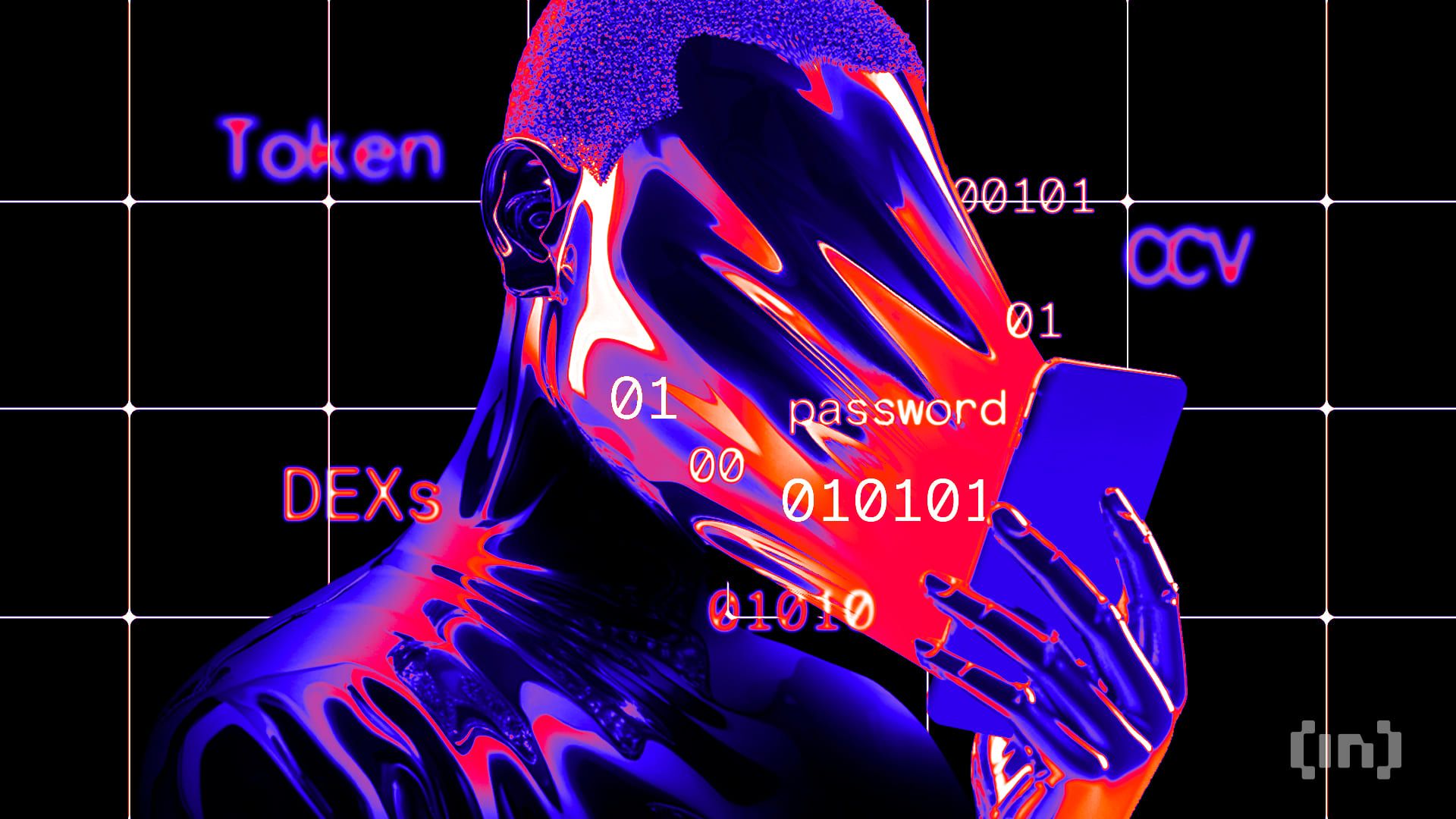
The Rise of Deepfake Technology: A New Security Threat
In recent years, artificial intelligence (AI) has brought incredible advancements, including deepfake technology. While the potential applications of deepfakes span from entertainment to education, they also pose significant risks—particularly for users and platforms reliant on identity verification systems, such as centralized cryptocurrency exchanges.
With malicious actors exploiting these technologies, concerns are mounting over public safety, data protection, and the reliability of authentication systems. Read on to understand how deepfake advancements can impact crypto platforms and what steps users and businesses can take to stay secure.
Deepfake Content: The Disinformation Dilemma
Deepfake videos and images, created using sophisticated AI algorithms, are becoming increasingly indistinguishable from reality. These convincing fake visuals now frequently spread across social media platforms, making it challenging to differentiate authentic content from fabricated material.
The misuse of deepfakes undermines public integrity and safety on a global scale. In response, governments like those in Malaysia and Indonesia have reacted by restricting access to certain AI platforms, including Grok—a chatbot linked to concerns over non-consensual, explicit deepfake images. This highlights growing pressure on tech companies to maintain ethical guidelines and safety protocols for their AI products.
Crypto Exchanges: A Growing Target for AI Fraud
For cryptocurrency platforms, visual identity verification has long been a cornerstone of Know Your Customer (KYC) processes. However, advanced deepfake tools now have capabilities that render these verification systems vulnerable. Natural facial movements, synchronized speech patterns, and dynamic responses can bypass traditional checks, allowing fraudsters to exploit these systems for financial gain.
According to security experts, crypto platforms with global user bases are particularly attractive targets. With deepfakes being used in insurance claims, legal frauds, and identity-related scams, the financial implications for centralized exchanges could be devastating unless they quickly upgrade their security measures.
Steps Toward a Safer Future
To mitigate these risks, centralized exchanges must adopt AI-detection tools and implement multi-factor authentication (MFA) systems to supplement traditional identity checks. Blockchain analytics firms and cybersecurity solutions, such as Chainalysis, are emerging as critical allies in combating fraud.
For individual users, staying informed is the first line of defense. Avoid sharing sensitive documents or information with unverified platforms and monitor accounts regularly for unusual activity. Investing in security tools like identity theft protection software can also safeguard your financial assets.
The Verdict: Staying Ahead of the Curve
As deepfake technology continues to evolve, so must the protective measures employed by crypto platforms and their users. Trust based solely on visual verification is becoming obsolete in this new landscape of digital threats. By prioritizing security innovation and user education, the crypto industry can adapt to stay ahead of fraudsters.
Looking for a protective shield for your digital identity? Check out Norton’s Identity Theft Protection, a comprehensive tool to guard against cyber threats.


