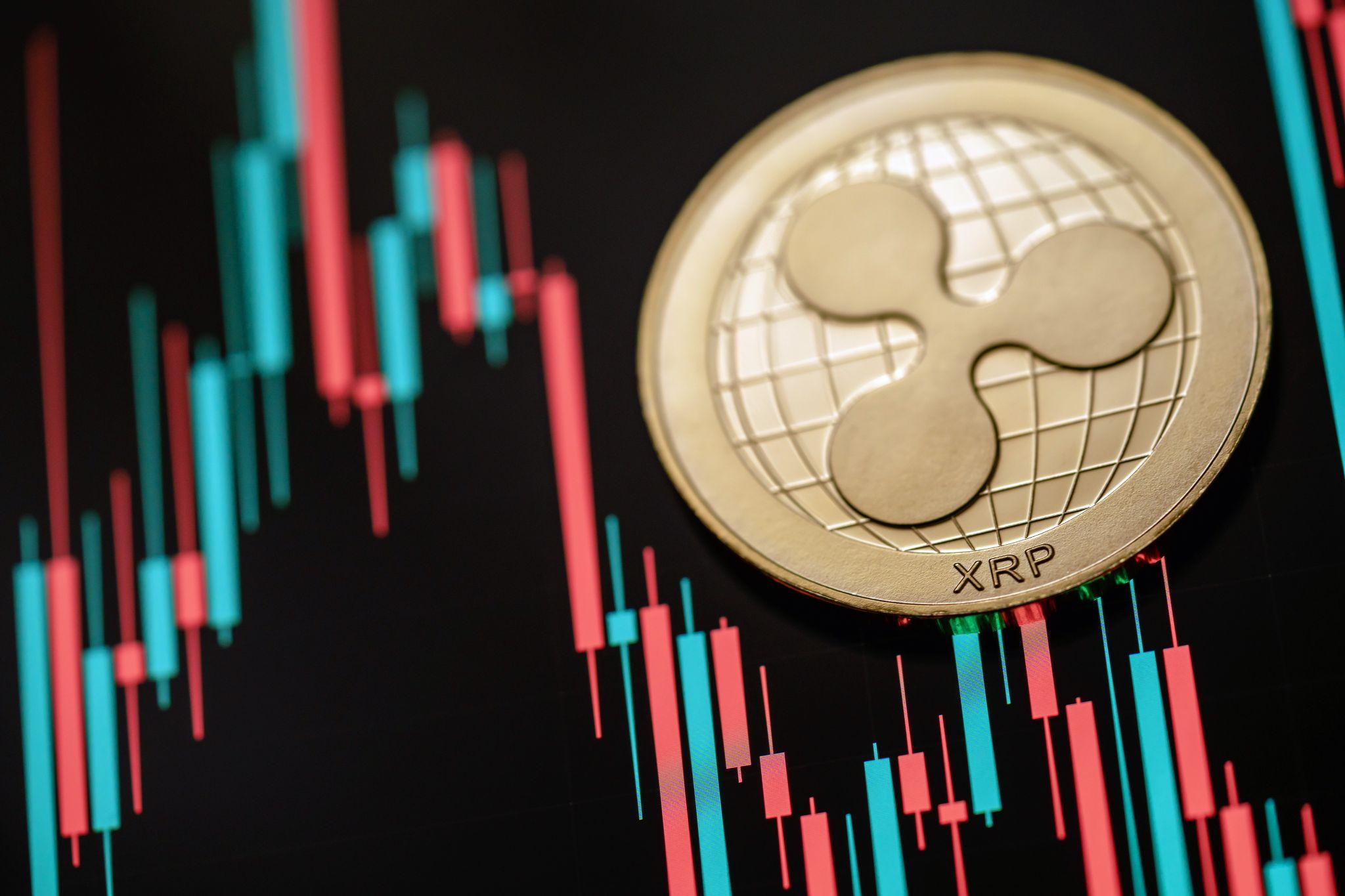
The Latest on XRP Price Movements
XRP has recently faced downward pressure, slipping back toward the $1.85 pricing zone. This dip comes as broad market trends remain choppy, especially as traders eye psychological landmarks, such as the $2 mark, which has continued to elude XRP over the recent trading sessions. Currently, XRP is hovering in the mid-$1.80s according to live trading data, presenting elevated volatility and reinforcing investor caution.
Market analyses have indicated that XRP’s near-term outlook remains tightly bound to macroeconomic pressures and the broader crypto sentiment. Noted traders, including Peter Brandt, have emphasized a bearish setup for the token, warning of heightened risks if Bitcoin and other major players continue to wane in market influence. Despite its struggles, XRP’s long-term utility narrative—such as its use in institutional payment rails and cross-border solutions—provides a bulwark against full-scale investor exodus.
Introducing Digitap: A Utility-First Crypto for the Present Market
Amidst the turbulence in XRP trading, Digitap ($TAP) has emerged as a strong contender in the eyes of retail-focused investors. Unlike XRP’s institutional leanings, Digitap is positioning itself firmly as a utility-driven cryptocurrency built for real-world use. Targeting both crypto beginners and retail users, Digitap aims to make crypto accessible and practical through innovative tools like a fiat-compatible banking app, accessible rewards tied to $TAP, and easy-to-use payment solutions.
What differentiates $TAP further is its deflationary token model. A portion of app-generated revenue is allocated toward buying back tokens, reducing their supply over time. For potential investors, this creates a more structured entry approach—less reliant on rapid market swings and more focused on sustainable growth.
Key Features of Digitap’s Offering
- Retail Banking Experience: Multi-currency wallet management, fiat-to-crypto conversions, and seamless peer-to-peer transfers are at the core of Digitap’s service.
- Tiered Privacy Options: Users can choose their level of privacy using tiered KYC models, from no-KYC wallets for private transactions to expanded banking services with regulated partners.
- Presale Advantage: $TAP’s presale is structured around fixed price increments rather than speculative market pricing. As of now, $TAP sits at $0.0371, with a proposed $0.14 listing price, offering a considerable potential upside for early investors.
Holiday Momentum Boost with Digitap’s Presale
Digitap has taken a unique approach this holiday season to maintain investor engagement and solidify momentum. Special offers are released twice daily at 7:00 UTC and 19:00 UTC, creating frequent touchpoints for community participation. This strategy positions Digitap as not just another speculative token but a community-focused project offering consistent engagement.
If you’re exploring utility-focused cryptocurrencies for long-term prospects, Digitap presents a compelling opportunity with a clear roadmap, robust mechanics, and accessible real-world applications.
How Does This Compare to XRP?
While XRP’s narrative continues to center on institutional adoption and large-scale payment rails, its performance remains tied to market sentiment and asset cycles. In contrast, Digitap’s retail-first offerings and deflationary model provide a practical and immediate value proposition that resonates with today’s cautious investors. It’s not about replacing XRP—it’s about offering a viable alternative in times of uncertainty.
Interested in exploring Digitap? Access their presale via this link: Digitap Presale. For more details about the project, visit their official website. Stay connected through their social channels to keep up-to-date.
Final Thoughts
The fluctuation of XRP price highlights the challenges of short-term volatility in the crypto space. Meanwhile, Digitap’s retail-friendly banking solution showcases how innovation and practical utility can keep investors engaged. Whether you’re a seasoned trader or just beginning your crypto journey, both options offer distinct value—but the one that aligns best depends on your investment strategy and risk tolerance.
