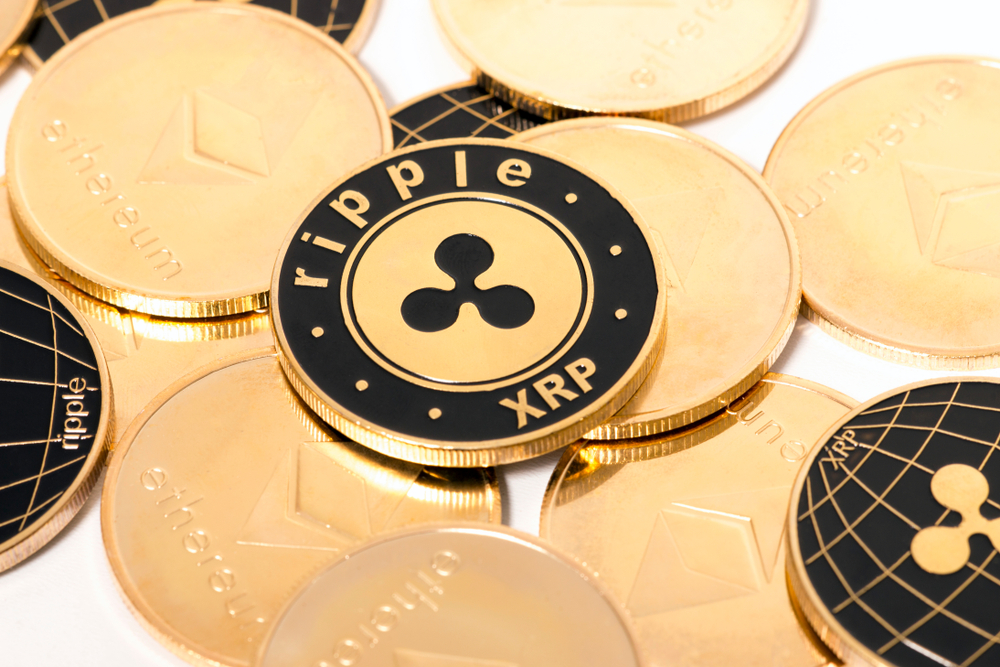
XRP Breaks Year-to-Date Growth Barriers
Ripple’s native cryptocurrency, XRP, has surged 11.5% year-to-date, maintaining a stable value above $2. Amid the broader cryptocurrency market recovery, XRP is up 1% in the past 24 hours, currently trading at $2.06. Analysts remain optimistic, projecting further bullish momentum in the medium to long term.
Drivers Behind XRP’s Recent Performance
The broader market recovery, spearheaded by Monero’s XMR, has provided a positive backdrop for XRP’s performance. Institutional demand for XRP-focused spot ETFs continues to grow, signaling increasing confidence in the token. Additionally, the potential approval of the U.S. Market Structure Bill could act as a catalyst, bringing the significant $2.5 and $3 price levels into sight.
However, short-term challenges remain. Cooling interest from retail and institutional investors might weigh on XRP’s performance, leading to another possible dip below $2. The 4-hour chart reveals bearish sentiment with MACD lines in the negative zone and an RSI of 43, indicating sellers are holding control.
What’s Next for XRP?
If the ongoing support at $2 fails to hold, the token could retest the $1.92 support level. Sellers driving the bearish trend further may push XRP to its December 31 low of $1.81. However, should the $2 support remain intact, XRP holds the potential to rally to the $2.2 resistance. A daily close above $2.2 would prepare the cryptocurrency for a significant test at $2.5.
Optimizing Your Crypto Trades with Tools
When trading XRP or any other cryptocurrency, the right tools are crucial. Platforms like eToro offer advanced tools to monitor market trends and mimic the strategies of successful traders. With eToro, you can access multiple cryptocurrencies globally and use various payment methods for seamless transactions.
Conclusion
While XRP faces short-term headwinds, its medium and long-term outlook appears bullish, driven by market recovery and institutional interest. Investors eyeing the $2.5 psychological barrier should monitor macroeconomic factors, legislative developments, and retail sentiment closely to make informed decisions.






