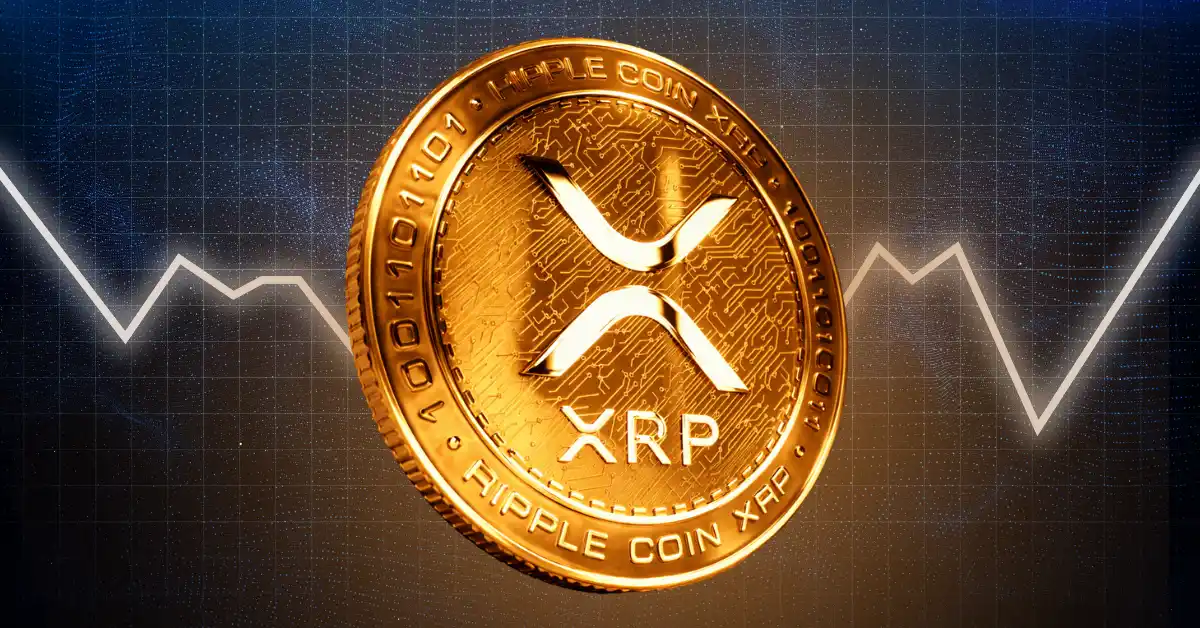
The cryptocurrency market is abuzz as popular digital asset XRP kicks off 2026 with a bang, rallying over 20% this year, putting it back in the spotlight alongside larger cryptocurrencies like Bitcoin and Ethereum. But what does this surge mean for XRP’s long-term relevance? Let’s dive into the story of XRP, its connection to Ripple, and the evolving role of cryptocurrencies in the financial world.
What is XRP, and Why Did It Gain Popularity?
XRP was originally promoted by Ripple as a bridge currency for fast and low-cost cross-border payments. Initially, the idea was revolutionary—leveraging a neutral third-party cryptocurrency to replace slow and expensive legacy systems used by banks. XRP’s speed and low transaction costs made it an attractive option, especially during the 2017–2018 crypto boom, when it hit record highs.
Back then, the outlook for XRP was bright, with expectations that banks around the world would adopt it as the go-to asset for settling international transactions. This optimism drove a strong community of investors and cryptocurrency enthusiasts to become loyal supporters.
How Has the Crypto Payment Landscape Changed?
While the vision for XRP was pioneering, the financial industry’s realities have proven complex. According to the crypto analyst Ellio Trades, several of the early assumptions about XRP have not come to fruition. Financial institutions tend to favor more stable and controlled solutions over cryptocurrency-based transfers. As a result, many banks prefer Ripple’s messaging and settlement tools rather than using XRP itself.
Adding yet another twist, stablecoins such as USDC have entered the market as a popular choice for international transfers. Stablecoins, pegged to a specific currency (like the US Dollar), offer lower price volatility, enabling users to transfer digital dollars globally without the complexities of conversion. In 2024, stablecoins processed over $27 trillion in transactions, surpassing the transaction volumes of major credit card networks.
Ripple’s Response: Expansion Beyond XRP
Facing new challenges, Ripple has diversified its business model. It now incorporates broader financial technologies, including acquiring custody services, offering financial infrastructure tools, and even launching its own dollar-backed stablecoin. According to market analysts, this strategy has strengthened Ripple as a company, even if XRP’s role within the ecosystem has evolved.
Nevertheless, this raises the question: how central is XRP to Ripple’s operations today? Some argue that the company’s pivot toward new revenue streams and technologies marks a significant departure from its original vision for XRP.
Is XRP Still Relevant?
The debate surrounding XRP’s long-term viability rages on. Recent price rallies have reignited interest, but critics remain skeptical about its relevance in the face of Ripple’s diversification and the growing dominance of stablecoins. Analysts emphasize that while Ripple is likely to prosper as a financial tech leader, XRP may find its role limited to niche applications.
As one analyst put it: “Ripple, the company, will thrive. They have billions in assets, 300 partnerships worldwide, and continue to innovate. However, XRP’s global vision as a bridge currency has faded. It may find use in specific areas, but the dream of it becoming a global standard is no longer viable.”
Conclusion: What’s Next for XRP in 2026?
As we move deeper into 2026, the cryptocurrency landscape continues to evolve at a rapid pace. While XRP’s potential as a long-term trade remains a hot topic, Ripple’s focus on diversification and technological innovation signals significant growth opportunities. Investors and enthusiasts should keep a close eye on market trends and Ripple’s strategy as they navigate the ever-changing crypto ecosystem.
Looking to invest in the future of digital finance? Consider exploring the Ledger Nano X, a secure cryptocurrency wallet for storing and managing assets like XRP, Bitcoin, and Ethereum. With top-notch security features and intuitive design, it’s an excellent tool for serious investors. Learn more here.