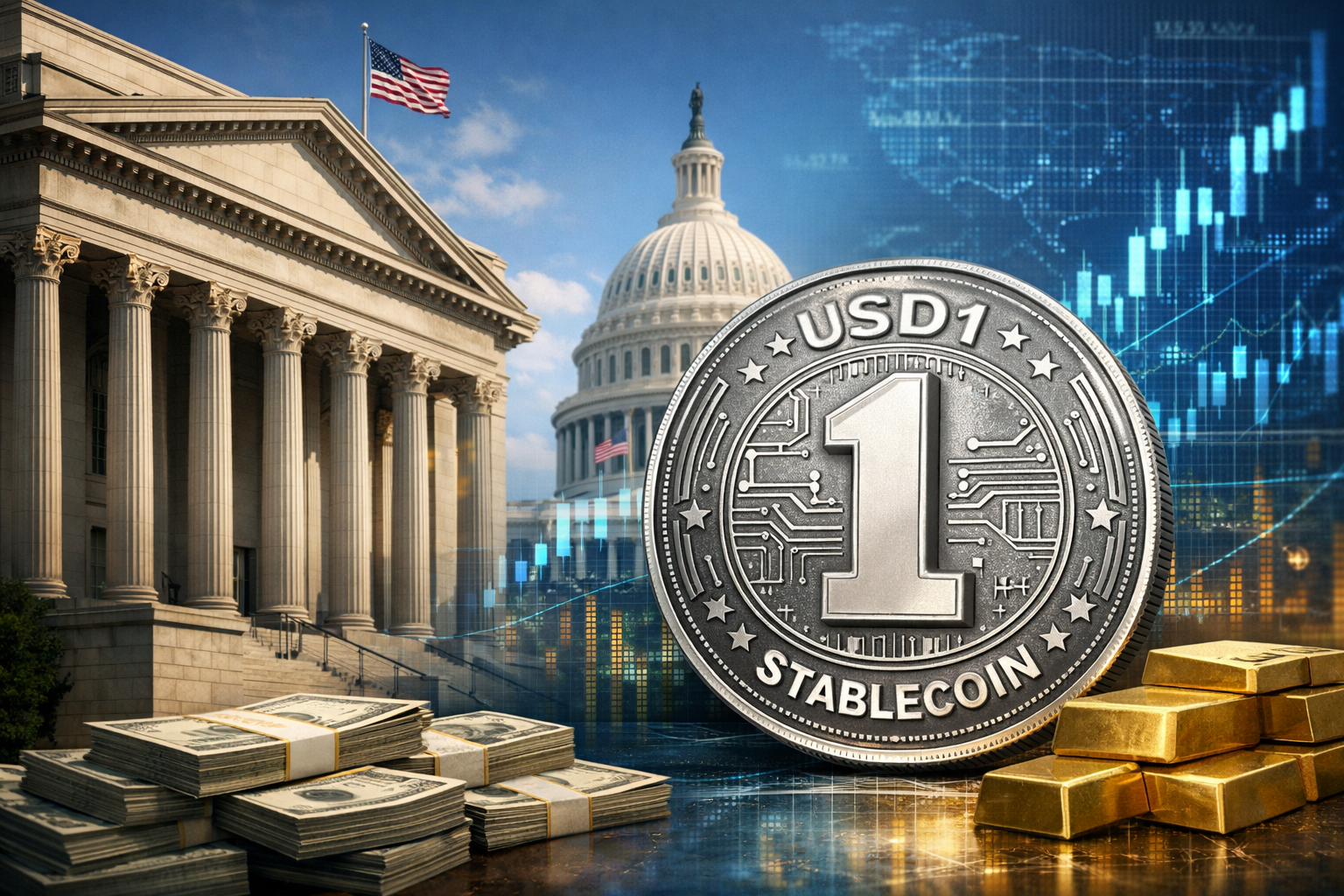
The cryptocurrency sector continues to evolve rapidly, with World Liberty Financial, a crypto firm associated with the Trump family, taking a notable step. They have applied for a national trust bank charter to bring their stablecoin, USD1, under the same regulatory framework as traditional banking institutions. This move could mark a major shift in the stablecoin industry.
What is USD1, and Why Does It Matter?
USD1 is a stablecoin fully backed by US dollars and short-term US Treasury assets, offering a secure and reliable option for digital transactions. Since its launch just a year ago, it has reached over $3.3 billion in circulation, making it one of the fastest-growing stablecoins. Its integration with major blockchains like Ethereum, Solana, and BNB Smart Chain, as well as listings on exchanges like Binance and Coinbase, has significantly boosted its accessibility for both institutional and retail users.
The Proposed World Liberty Trust Bank
World Liberty Financial plans to create World Liberty Trust Company through its subsidiary, WLTC Holdings LLC. According to filings with the US Office of the Comptroller of the Currency (OCC), this trust bank would focus exclusively on stablecoin-related activities, including minting, redemption, and custody of USD1 and other approved stablecoins.
Unlike traditional banks, the World Liberty Trust Bank would not offer lending or retail banking services. Instead, it would operate within the OCC’s stringent trust banking framework, ensuring asset segregation, independent reserve oversight, and compliance with anti-money laundering regulations. At launch, converting USD1 to US dollars—and vice versa—is expected to be a fee-free service, which could attract more users.
Regulatory Implications and the GENIUS Act
This initiative aligns with the proposed GENIUS Act, a federal legislative effort to standardize regulations for stablecoin issuers in the US. If approved, the World Liberty Trust Bank would work under federal supervision, following the same regulatory protocols as traditional trust institutions.
The move also comes as US regulators increasingly interact with the crypto industry. In recent years, firms like Fidelity Digital Assets, Circle, and Coinbase have all sought federal approvals for similar structures, showcasing a broader industry trend toward regulatory adherence.
Why This Matters for Crypto Enthusiasts
This development could be a game-changer for institutional clients and businesses looking for regulated stablecoin issuance and custody services. The trust bank model leverages transparency and regulation, potentially increasing the credibility and adoption of stablecoins like USD1. If you are considering diversifying your crypto portfolio with regulated digital assets, stablecoins should definitely be on your radar.
Product Highlight: Secure Your Digital Assets
For those investing in cryptocurrencies like USD1, having a secure wallet is essential. The Ledger Nano X hardware wallet offers ultimate protection for your assets. Its state-of-the-art encryption and compatibility with multiple cryptocurrencies make it a must-have for crypto traders and investors. Learn more about the Ledger Nano X and take control of your digital assets.
As the crypto industry moves toward greater regulatory integration, initiatives like the World Liberty Trust Bank could redefine how stablecoins operate in the financial ecosystem. Stay informed about the latest crypto developments to make well-informed decisions.