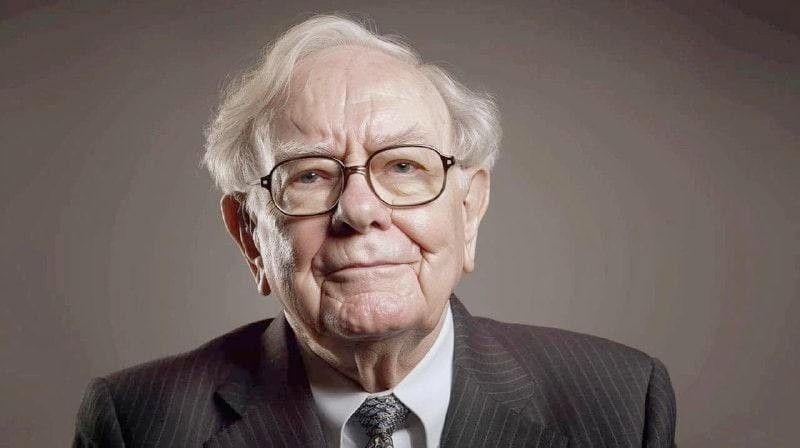
Warren Buffett’s Exit: A Milestone in Financial History
Warren Buffett’s decision to step down as the CEO of Berkshire Hathaway (NYSE: BRK.B) marked the end of an iconic era in finance. The transition, finalized at the start of 2026, handed operational control to Greg Abel, a long-time successor, while Buffett remained chairman and a major shareholder. Investors and markets are now closely watching how the transition impacts Berkshire Hathaway’s valuation and performance under new leadership.
Berkshire Hathaway Stock: Post-Transition Struggles
Since the leadership change, Berkshire Hathaway’s stock has faced challenges in gaining momentum. As of now, the shares are trading at $493, down 0.72% in 2026. Over the past year, Berkshire’s stock has shown resilience, recording a rally of over 5%, despite concerns about the company’s future trajectory.
One of the major points of contention among investors remains the “Buffett Premium.” This refers to the added valuation that investors attributed to Buffett’s unmatched judgment, disciplined risk management, and deal-making abilities over the years. The question now arises: Is this premium fading under Greg Abel’s leadership?
What’s Next for Berkshire Investors?
Greg Abel is undeniably capable, but he lacks the symbolic stature and legendary reputation of his predecessor. This has left some investors questioning whether Berkshire Hathaway may now be valued more as a conventional conglomerate than the unique investment powerhouse it was under Buffett.
Key areas of scrutiny include Berkshire’s capital deployment strategies, acquisitions, and how its vast cash reserves are handled. Market analysts are closely monitoring whether Abel will maintain the disciplined strategies that defined Buffett’s tenure or pivot to new approaches. For investors, these considerations will play a critical role in determining the company’s long-term value.
Support for Berkshire Still Remains
While uncertainties remain, many experts argue that the recent drop in share price reflects market sentiment rather than any fundamental flaws. Berkshire’s portfolio continues to be highly diversified and profitable. Much of its long-term success will hinge on the company’s ability to sustain disciplined investing and targeted acquisitions.
Final Thoughts
The transition away from Warren Buffett’s leadership represents a psychological turning point for Berkshire Hathaway and its investors. Despite early concerns about the stock’s valuation and the absence of the “Oracle of Omaha,” supporters believe that the company’s solid fundamentals position it well for the future.
For those seeking to invest wisely, it’s worth keeping an eye on performance metrics and how Greg Abel cements his leadership in the coming years. If you’re considering testing the waters in a volatile market, platforms such as eToro allow investments in stocks and other assets with 0% commission fees. This platform is ideal for beginners and experienced traders alike.