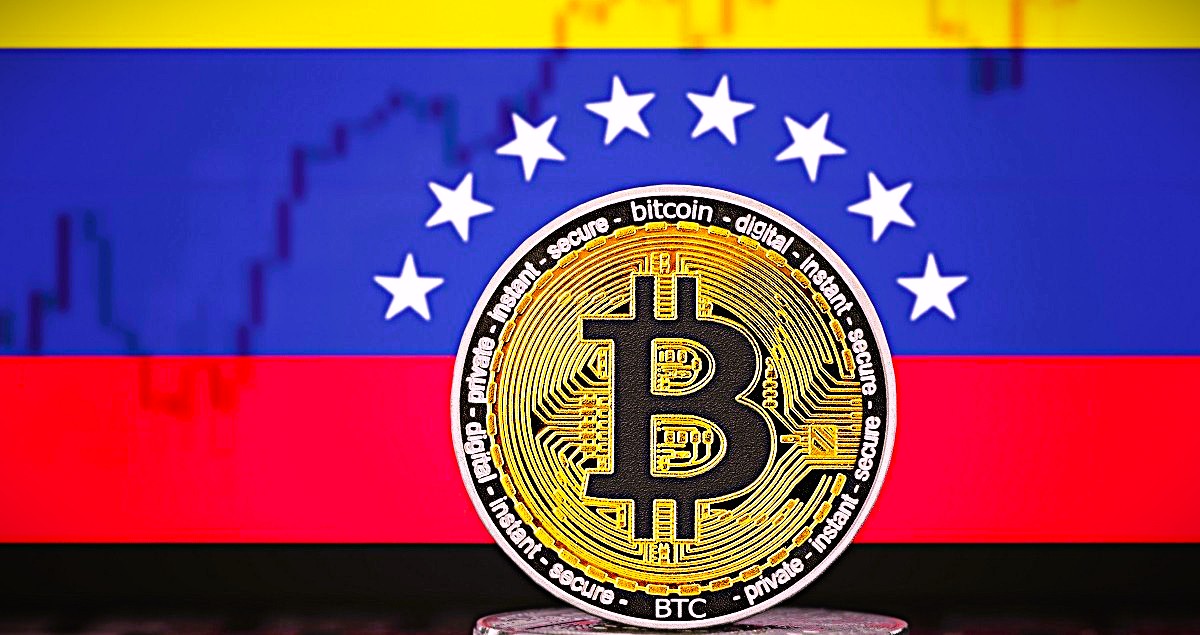
BITCOIN (BTC) cryptocurrency; coin bitcoin on the background of the flag of Venezuela
In what could be a transformative revelation for the cryptocurrency market, recent intelligence reports suggest that Venezuela may secretly hold a Bitcoin reserve estimated between $56 billion and $67 billion. This hidden reserve, if confirmed, presents significant implications for Bitcoin supply, global market dynamics, and long-term price trends.
The Origins of Venezuela’s Bitcoin Stash
According to sources cited by researchers Bradley Hope and Clara Preve, Venezuela began accumulating Bitcoin around 2018. Utilizing proceeds from its gold exports through the Orinoco Mining Arc, the nation reportedly exchanged approximately $2 billion worth of gold for Bitcoin at an average price of $5,000 per coin. This resulted in an estimated 400,000 BTC—now valued at $36 billion based on early 2026 Bitcoin prices of around $90,000.
Beyond gold sales, the reports reveal that Venezuela shifted oil payments to stablecoins like USDT (Tether) under tightening U.S. sanctions. Some of these stablecoin earnings were allegedly converted into Bitcoin as a hedge against risks like address freezes. Further crypto acquisitions reportedly stemmed from seized mining operations and crude-for-crypto trade deals between 2023 and 2025. Combined, these efforts may have made Venezuela one of the largest Bitcoin holders globally, alongside major players like BlackRock and MicroStrategy.
Global Impact: What This Means for Bitcoin Markets
For perspective, analysts have pointed to the 2024 sale of 50,000 BTC by Germany, which caused a 15–20% market correction. Venezuela’s alleged reserve, which could be over 600,000 BTC, represents a much larger potential for market disruption. Industry insiders suggest three possible scenarios:
- Frozen Assets: If the U.S. were to seize Venezuela’s Bitcoin reserve, it could be held indefinitely by the Treasury, reducing circulating supply.
- Strategic Reserve: The U.S. government might retain the Bitcoin as a strategic reserve, supporting Bitcoin prices over the long term.
- Fire Sale: In a less likely scenario, the reserve might be sold rapidly through platforms like Coinbase Prime or government auctions, causing short-term price volatility.
Among these outcomes, the freezing or strategic holding of the assets is deemed more plausible. This would create a supply lock-up akin to institutional holding patterns, potentially pushing Bitcoin prices higher as markets stabilize over time.
Key Takeaway: Bitcoin’s Role in Global Power Dynamics
The implications of Venezuela’s Bitcoin reserve extend beyond immediate market effects. This development underscores the increasing relevance of cryptocurrency reserves as a tool in geopolitical strategy. Analysts predict that Venezuela’s lasting legacy may shift from oil reliance to significant influence in the cryptocurrency space.
For cryptocurrency investors and enthusiasts, this story serves as a reminder of Bitcoin’s growing role in global finance. Staying informed and prepared for market fluctuations is essential. For managing your digital assets securely, consider using trusted hardware wallets like the Ledger Nano X, which offers top-tier security for your crypto investments.
As the crypto landscape evolves, the intricate interplay between nations, markets, and technologies like blockchain will continue to shape the financial future.