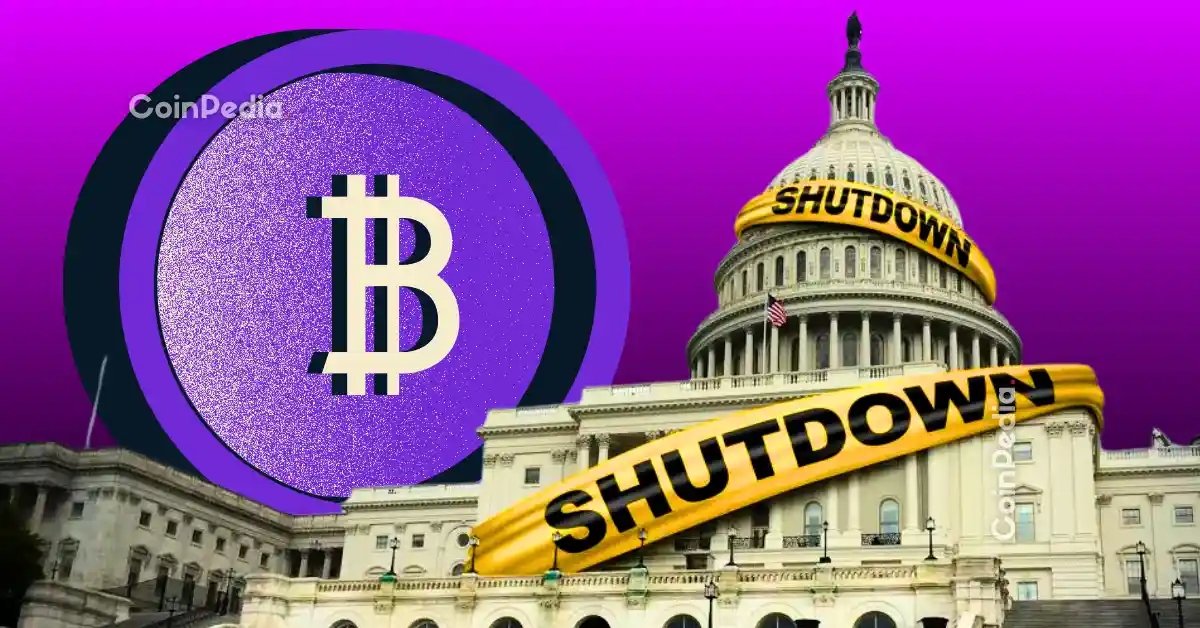
US Shutdown Fears Ease: What You Need to Know
Concerns over a potential U.S. government shutdown in 2026 have sharply declined, bringing much-needed stability to financial and crypto markets. As per prediction market data, the likelihood of a shutdown has dropped to 26%, significantly lower than the 38% seen just weeks earlier. The shift comes thanks to the groundbreaking ‘One Big Beautiful Bill Act,’ which pre-funded approximately 85% to 95% of federal spending through September 2026.
Market Reaction to Reduced Shutdown Risks
The new legislation has alleviated much of the uncertainty, as many government programs no longer rely on short-term funding bills. However, some gaps remain, and lawmakers must still pass additional spending bills or a stopgap funding resolution by January 30, 2026, to prevent partial government closures.
Despite the reduced shutdown fears, the recent turmoil caused ripples across major markets. The total crypto market, for instance, saw a significant decline, losing nearly $200 billion. Bitcoin felt the brunt, falling around 6% from $93,000 to below $87,500 during the height of panic. Additionally, U.S. spot Bitcoin ETFs recorded over $600 million in outflows within two weeks, adding further strain to the market.
Crypto Market Trends Amid Macro Uncertainty
The crypto landscape remains sensitive to macroeconomic uncertainties, including government shutdowns that can delay key economic data releases. For investors looking to stabilize their portfolios during such times, diversification is crucial. Products like La Roche-Posay’s Anti-Aging Daily Booster (for lifestyle care) or blockchain analytics tools may offer peace of mind and actionable insights.
Key Takeaways for Investors
While the ‘One Big Beautiful Bill Act’ has significantly reduced risks of a sudden shutdown, vigilance remains necessary. Both traditional and cryptocurrency markets are still prone to fluctuations dictated by macroeconomic factors. If you’re an active investor, monitoring developments and incorporating reliable tools into your decision-making process is highly recommended.