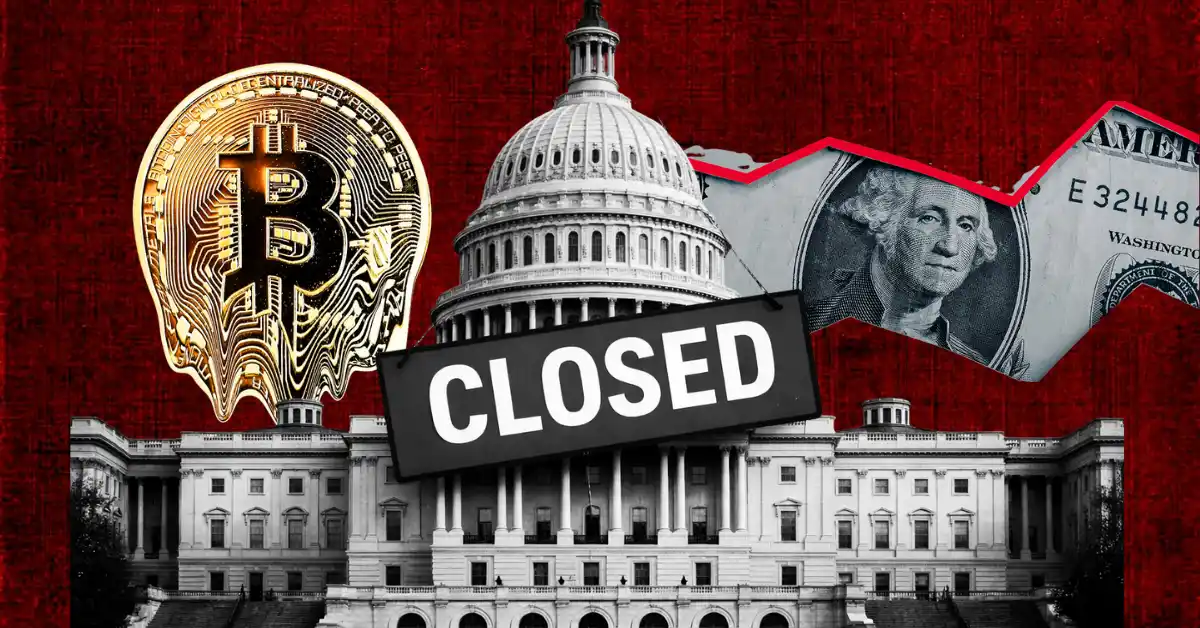
US Government Faces Partial Shutdown: What You Need to Know
The U.S. government has officially entered a partial shutdown after the House failed to vote on the Senate-approved spending bill prior to the funding deadline. This decision has disrupted federal operations, affecting thousands of workers and creating ripples across financial and cryptocurrency markets.
Senate Passes Spending Bill, But Deadlock in the House Remains
Late Friday, the U.S. Senate approved H.R. 7148 with overwhelming bipartisan support (71-29), ensuring funding for most federal agencies through September 2026. Despite this decisive approval, the House did not proceed with voting on the legislation, leaving key departments without full operational funding. The result is a partial government shutdown, as opposed to a full one.
Reports suggest the stalemate stems largely from unresolved disagreements over immigration policy. The decision to separate Department of Homeland Security (DHS) funding from the broader package allowed negotiations to continue, but it did not prevent the government shutdown.
Key Effects of the Partial Shutdown
With the shutdown beginning at midnight, federal agencies and employees have already started experiencing the impact:
- Non-Essential Employees: Workers at Homeland Security, Education, Labor, Justice, and other departments are facing furloughs or being required to work without pay.
- Essential Services: Critical operations like air traffic control, national security, and emergency services remain functional.
Fiscal conservatives in the Senate have also expressed concerns about high spending levels and earmarks, with Senators like Rand Paul and Mike Lee opposing the bill. Others, including Markwayne Mullin, have seen it as a step forward, receiving firm backing from figures like Donald Trump.
Ripple Effects on Financial Markets and Cryptocurrencies
Historically, government shutdowns have influenced both traditional markets and cryptocurrency value. During the last extended shutdown, Bitcoin experienced a 10%-12% drop. This time, Bitcoin remains relatively stable at $83,789; however, experts warn of increased volatility (5%-10% fluctuations) if negotiations remain prolonged.
For those actively trading or holding cryptocurrencies, this is a crucial moment to monitor market conditions. Consider tools like Coinbase for managing your crypto portfolio or accessing market insights during volatile periods.
Stay Updated During the Shutdown
This partial government shutdown marks yet another instance of federal instability. While immediate impacts are evident among government workers, the broader ripple effects will likely influence financial planning and investments. Whether you’re tracking these changes for personal finance or business insights, staying informed is critical.
For real-time updates, bookmark reputable sources like CoinPedia. Their expert team provides timely news on crypto, blockchain advancements, and market trends, helping you make informed decisions during unpredictable times.