US Crypto Market Structure Update: Senate Discussions and SEC-CFTC Collaboration
The United States is stepping up its efforts to establish a clear regulatory framework for digital assets, with significant events taking place this week. The Senate Agriculture Committee and the Securities and Exchange Commission (SEC) are in the spotlight as they tackle crypto market structure reforms and inter-agency coordination on oversight responsibilities.
Senate Agriculture Committee’s Markup on Crypto Legislation
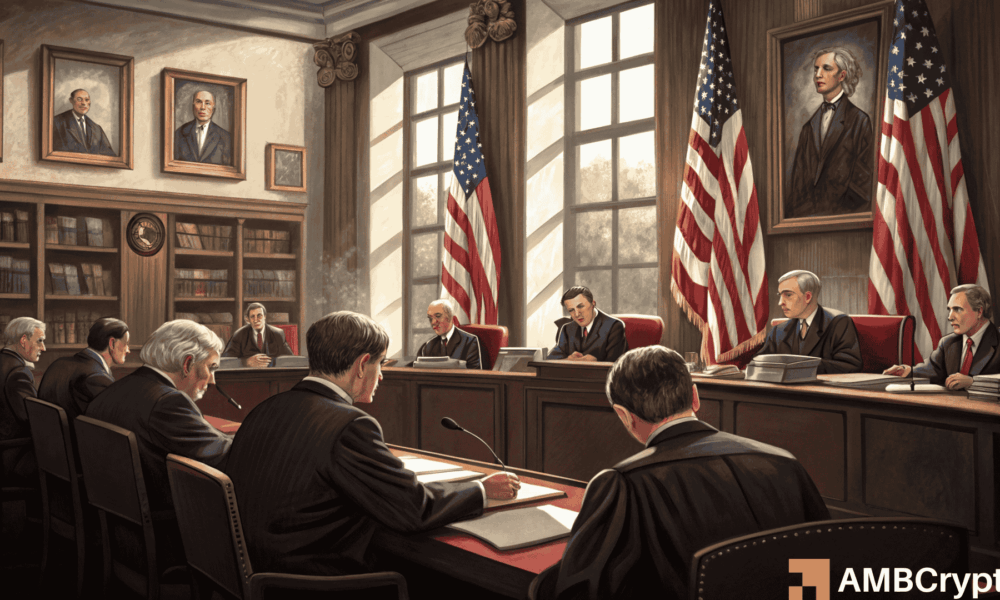
On January 29, the Senate Agriculture Committee will conduct a markup session to review and amend the Digital Commodities Intermediary Act. This bill aims to place the Commodity Futures Trading Commission (CFTC) at the helm of regulating spot digital commodity markets. This procedural step is crucial, as it determines whether the legislation advances to the Senate for a broader debate and vote.
During the markup, amendments will be discussed, including those targeting systemic risks, consumer protection, and ethics. For instance, Senator Michael Bennet is pushing for a “Digital Asset Ethics Act” to restrict federal officials from issuing, endorsing, or holding digital assets directly or indirectly. Meanwhile, Senator Dick Durbin is championing amendments to prevent federal financial assistance for intermediaries and introduce regulations for crypto kiosks and ATMs.
SEC and CFTC Harmonization Event
Coinciding with the Senate’s endeavors, the SEC and the CFTC are holding a “harmonization” event at 2:00 p.m. ET on the same day. Although details remain scarce, this inter-agency coordination meeting reflects growing efforts to ensure cohesive regulatory oversight of cryptocurrencies in the United States. The sessions underscore the need for balanced approaches that address both innovation and risk in this fast-evolving sector.
Broader Implications for the Crypto Industry
The proposed amendments in this legislative process could have implications beyond regulatory clarity. For example, provisions targeting foreign adversaries aim to protect national security by restricting crypto platforms operated by entities linked to nations like China and Russia. Meanwhile, amendments limiting the scope of regulatory agencies could influence how crypto brokers and other intermediaries navigate compliance requirements.
These changes occur amid a backdrop of shifting attitudes towards the crypto industry, where both enforcement actions and legislative processes are reshaping the market.
A Practical Tool for Crypto Investors
If you’re entering the crypto market or staying updated on the latest developments, it’s essential to track changes in regulatory frameworks. For a seamless way to manage your assets, consider using the Ledger Nano X, a top-notch hardware wallet. It ensures your digital assets are secure while providing user-friendly functionality. Learn more about this product and safeguard your investments effectively.
What’s Next?
While these events mark progress, the crypto industry will continue to navigate complex regulatory challenges in the months to come. Whether you’re an investor or a stakeholder, staying informed and proactive is essential as the legislative and regulatory landscape evolves.