The U.S. CLARITY Act: Dividing Opinions Among Crypto Leaders
The U.S. cryptocurrency industry is abuzz with discussions surrounding the much-debated CLARITY Act. Aimed at providing regulatory guidelines for the crypto market, the bill has sparked contrasting reactions from notable industry figures. Charles Hoskinson, founder of Cardano (ADA), and Brad Garlinghouse, CEO of Ripple, find themselves on opposing sides of this legislative divide.
Ripple’s Support for CLARITY
In a statement on January 14, 2026, Brad Garlinghouse praised the CLARITY Act, calling it “long overdue” and a “massive step forward” for cryptocurrencies. His emphasis on achieving structured frameworks for the market to protect consumers was echoed in his social media post on Elon Musk’s X platform. For Ripple, clarity in regulations appears to be a much-needed relief after years of battling lawsuits, particularly the high-profile legal clash with the U.S. Securities and Exchange Commission (SEC), resolved in 2025.
Companies like Ripple argue that any step towards well-defined regulations is a significant improvement compared to the perceived chaos of the current regulatory framework. Notably, Ripple’s consistent market growth and the success of its projects, such as the RLUSD stablecoin, underscore its desire for a predictable and transparent regulatory environment.
Hoskinson’s Criticism of the CLARITY Act
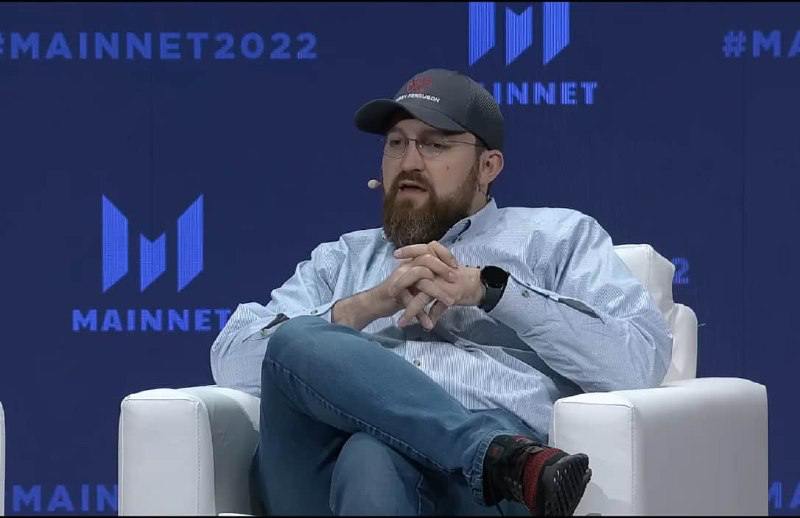
Contrasting Garlinghouse’s optimism, Charles Hoskinson criticized both the content and the extended timeline of the CLARITY Act. In a public broadcast dated January 18, 2026, he expressed frustration with Ripple’s backing of what he perceives as imperfect legislation. Hoskinson argued that it’s counterproductive to accept regulatory clarity at the cost of granting disproportionate power to the SEC—an organization that has historically been at odds with the industry.
Among his concerns are the numerous amendments made to the bill, which, according to him, codify the SEC’s authority over most crypto projects. Hoskinson’s remarks reflected widespread criticism within the industry that the CLARITY Act could hinder innovation by classifying most digital assets as securities by default.
Other Skeptical Voices
Hoskinson isn’t alone in his reservations about the bill. CEO of Coinbase, Brian Armstrong, also withdrew his support for the CLARITY Act, citing its stringent provisions on tokenized assets and decentralized finance (DeFi). Armstrong specifically took issue with proposals giving the government excessive oversight and provisions that could potentially eliminate rewards on stablecoins.
The skepticism from prominent crypto leaders highlights the challenges of crafting regulations that balance market innovation with consumer protection. As more leaders step forward with critiques, it becomes evident that the CLARITY Act, while a step toward defining norms, is far from achieving industry-wide acceptance.
The Need for Balanced Regulation
The divide among crypto leaders underscores the necessity of balanced legislation that fosters growth while ensuring ethical practices. While Ripple’s market success might validate its push for some form of regulatory clarity, critics like Cardano’s Hoskinson illuminate the risks of rushing policies that could stifle future innovations.
Supporting Your Crypto Investments
For those navigating this complex regulatory ecosystem, having a reliable platform for crypto investments can make a significant difference. Platforms like eToro offer access to diversified tools, including crypto staking and trading, with 0% commissions on stocks. Start trading in cryptocurrencies and other assets today for as little as $10, but always remember that your capital can be at risk.
Final Thoughts
The U.S. CLARITY Act represents a pivotal moment for cryptocurrency regulations, poised to influence the sector’s growth for years to come. As debates continue, one thing remains clear—only a comprehensive, fair, and inclusive approach to legislation can truly bring the clarity the industry seeks.