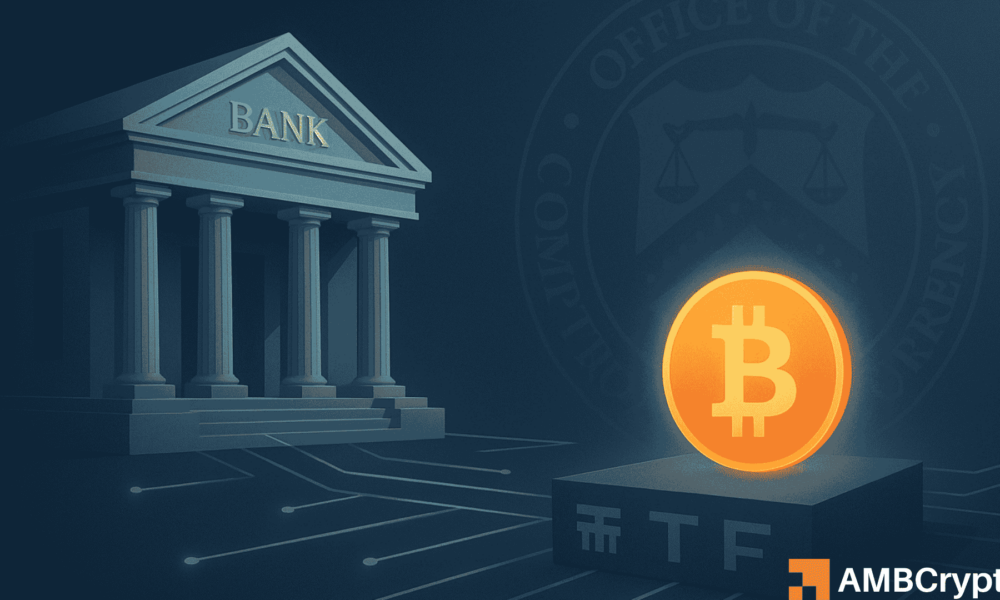
In a groundbreaking move, U.S. banks are now allowed to broker cryptocurrency trades, expanding their services into the digital asset space. The Office of the Comptroller of the Currency (OCC) has issued Interpretive Letter #1188, confirming that national banks can legally carry out “riskless principal” transactions with cryptocurrencies such as Bitcoin, Ethereum, XRP, and Solana. This landmark decision integrates crypto trading into traditional banking activities, offering customers seamless access to digital assets.
The OCC Interpretive Letter Explained
Released on December 9, the OCC’s Interpretive Letter #1188 permits banks to purchase cryptocurrencies and immediately resell them to clients without taking on market risk. Essentially, this makes crypto brokerage another regulated banking function, eliminating the need for partnerships with external crypto exchanges. Banks can now provide direct execution and settlement of cryptocurrency transactions under supervisory oversight.
This regulatory change is part of wider reforms introduced by the GENIUS Act, which eliminated outdated constraints and clarified how federal agencies manage tokenized and digital-asset activities. By treating cryptocurrency as part of the existing banking framework, this move aims to normalize crypto adoption within the U.S. financial system.
How This Impacts the Crypto Market
The OCC’s updated stance positions regulated intermediaries—rather than independent exchanges—at the heart of crypto transactions. This creates safer, more transparent options for U.S. investors while decreasing reliance on offshore markets. Customers will soon see crypto products offered directly by their banks, providing familiarity and security under a regulated framework.
In a related development, the Commodity Futures Trading Commission (CFTC) has launched a pilot initiative that allows Bitcoin, Ethereum, and USDC to be used as collateral for derivatives trading. The program also establishes stricter custody and settlement guidelines, signaling a coordinated regulatory effort to integrate tokenized assets into the U.S. financial market structure.
What This Means for Institutional Adoption
These changes make cryptocurrencies more accessible and safer for institutional investors, paving the way for widespread adoption in traditional banking and finance. By embedding digital assets into a regulated environment, the U.S. regulatory system is signaling a shift from enforcement to integration. This could accelerate innovation and adoption rates across industries reliant on blockchain technology and tokenization.
Explore Crypto with Confidence
For those looking to securely store and trade cryptocurrencies, consider using the Trezor Model T hardware wallet. It is a highly secure tool to safeguard your crypto investments, especially as institutional adoption grows.
The OCC’s decision marks a new chapter for the cryptocurrency industry, bridging the gap between traditional banking and the digital asset market. For customers and businesses, this means a more secure and regulated pathway into the future of finance.