What You Need to Know About the U.S. Government Shutdown
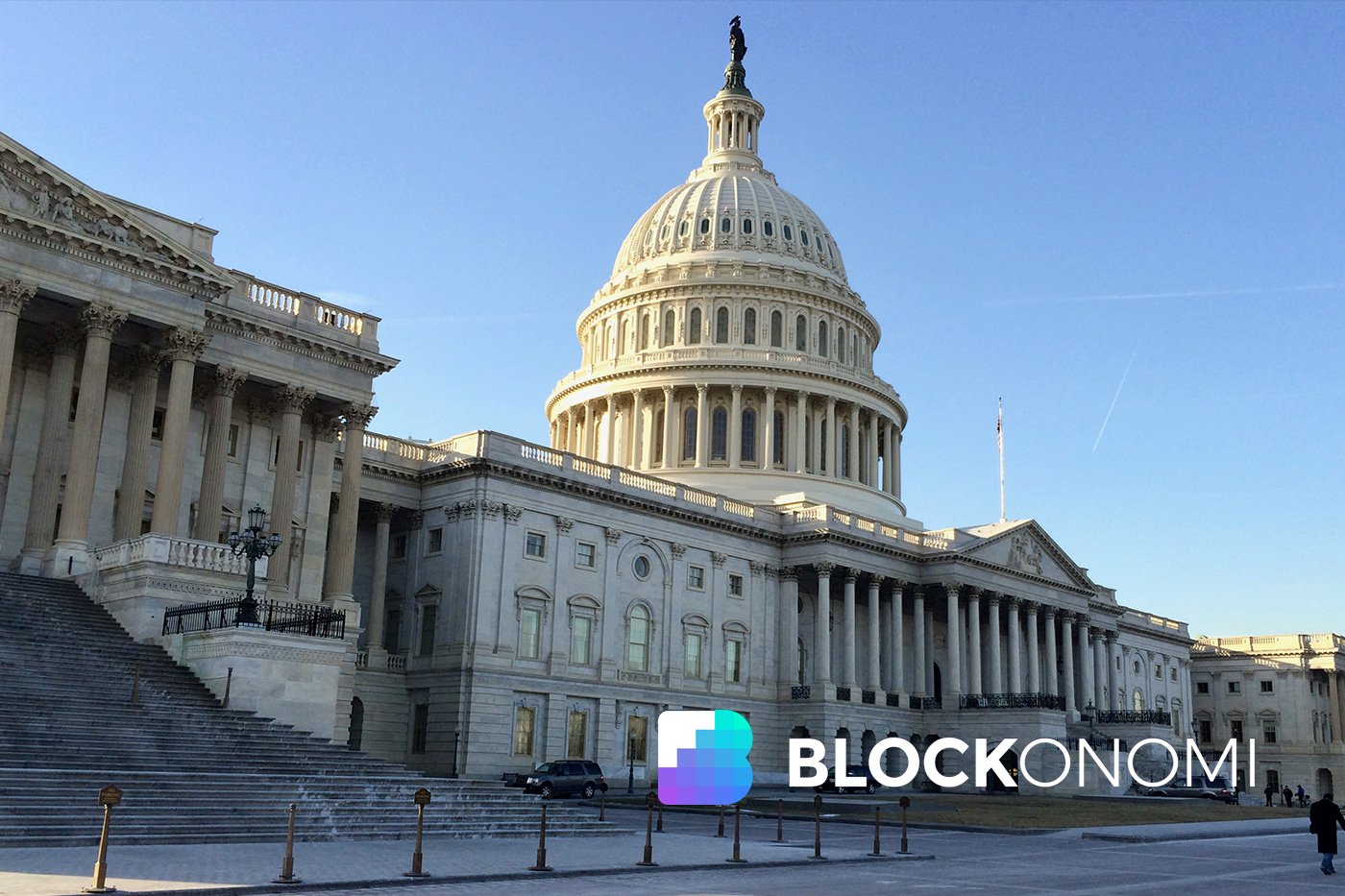
The U.S. government is on the edge of a potential partial shutdown with a 75% probability, according to Polymarket data. The deadline to resolve funding for the Department of Homeland Security (DHS) looms closer, and lawmakers are racing against the clock to strike a deal.
Why Is a Shutdown Likely?
Senate Democrats are blocking a $1.2 trillion spending bill due to concerns about DHS funding, partially spurred by the unfortunate incident involving Alex Pretti, a Minneapolis nurse killed during a federal raid. Senators, including Chuck Schumer, have strongly opposed funding for DHS until border policy reforms are addressed.
Unlike the October 2025 shutdown, which lasted 43 days and impacted all twelve appropriations bills, six bills have already been passed this time. Agencies like Agriculture, Veterans Affairs, and Commerce face fewer disruptions thanks to funding already secured. DHS also has $178 billion in reserve to ensure essential operations continue uninterrupted, mitigating the shutdown’s overall impact.
Financial Market Reaction
Bitcoin and traditional financial markets are reacting to the uncertainty. Bitcoin currently trades at $89,177, about 29% below its October all-time high. Despite a 0.9% daily increase, net outflows in Bitcoin ETFs suggest investor caution, with $1.33 billion leaving markets last week. Experts attribute this to broader economic factors, including Federal Reserve policies and tech earnings, beyond just the shutdown speculation.
Historically, market patterns show a 60% chance of a last-minute deal to avert shutdowns, as compromise benefits both sides politically and economically. A one-week shutdown alone can cost $4-6 billion and cause a 2-3% market dip. These factors often push lawmakers toward timely agreements.
What Happens If the Shutdown Proceeds?
Essential services like Social Security and Medicare are expected to continue. However, federal employees deemed non-essential could face furloughs, delaying public services and creating ripple effects across the economy. Medicare services and Social Security benefit payments are likely to remain operational, ensuring that critical needs are met even amidst the political stalemate.
Enhance Your Financial Resilience
Uncertainty in government operations and market reactions highlights the importance of financial preparation. For those looking to grow their wealth in volatile times, diversifying into cryptocurrencies like Bitcoin can be an option. Consider cryptocurrency wallets like the Ledger Nano X, a secure, user-friendly device designed to safeguard your digital assets.
Additionally, staying informed about market trends with expert analysis and resources can help you navigate volatility. Policies impacting everyday finances, from taxation to long-term investments, underscore the significance of staying proactive in managing your portfolio.
Conclusion
The impending U.S. government partial shutdown raises questions about political priorities and economic resilience. From DHS funding debates to broader financial impacts on markets, understanding the nuances of such actions prepares you to respond critically as events unfold. Whether it’s preparing for market shifts or safeguarding investments, informed financial strategies are key to thriving in turbulent times.