Geopolitical Tensions Impacting Global Markets
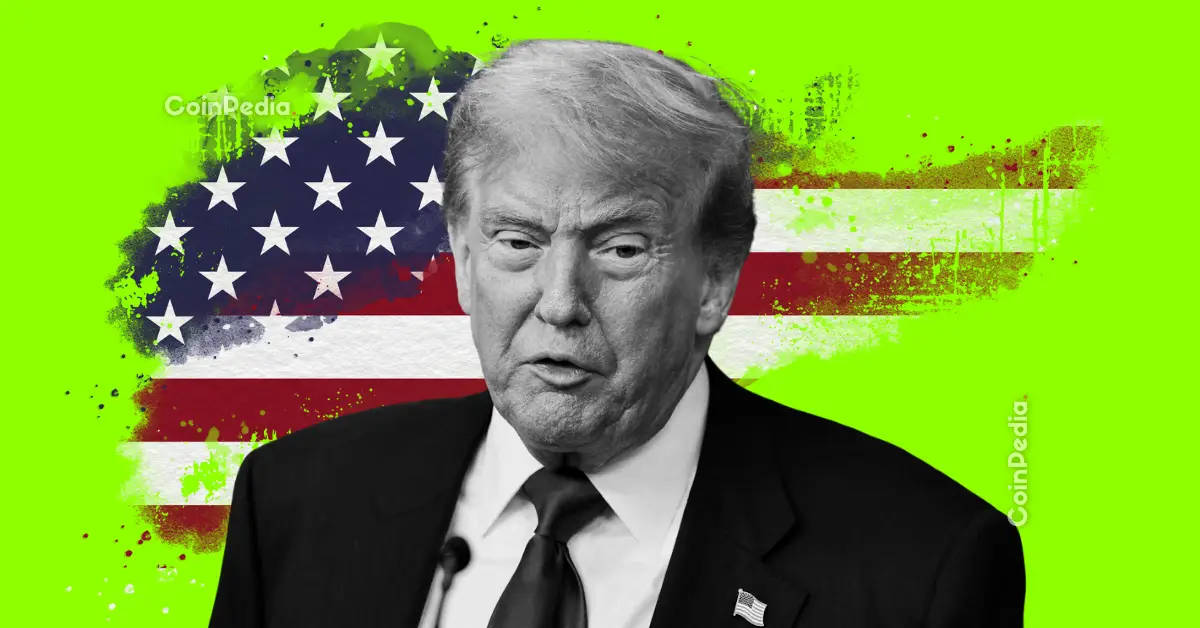
Recent geopolitical developments have generated significant attention, especially in the financial and cryptocurrency markets. Former U.S. President Donald Trump issued a pointed warning to Colombia following the capture of Venezuelan President Nicolás Maduro by U.S. forces. This sharp exchange has fueled concerns of potential U.S. military action in Latin America and sent ripple effects through global financial assets, including a notable impact on cryptocurrency markets.
What Happened: Trump’s Warning to Colombia
On January 4, 2026, just hours after Nicolás Maduro’s apprehension, Trump accused Colombian President Gustavo Petro of permitting a surge in cocaine production through relaxed drug policies. Trump made controversial remarks directly targeting Petro, describing the Colombian leadership as “sick,” and hinted at possible military intervention, saying, “such an operation sounds good.” These statements escalated tensions across Latin America, sparking widespread reactions.
Colombia’s Response to U.S. Accusations
Colombian President Gustavo Petro strongly rebuffed Trump’s accusations, calling them “offensive” and “false.” Petro rallied national unity by referencing his background as a former rebel and emphasized resistance against foreign interference. Petro further alleged that global elites, in a ploy to protect their interests, were instrumental in escalating these tensions. The diplomatic tensions between the two nations have since intensified, worrying geopolitical analysts and market participants alike.
Global and Crypto Market Implications
Historically, geopolitical instability has caused significant fluctuations in risk-driven markets such as cryptocurrencies. Bitcoin, for instance, has responded sharply to similar developments in recent years. During the onset of the Russia-Ukraine conflict in February 2022, Bitcoin plummeted by 15% within a month as investors fled to safer assets. Likewise, the Israel-Gaza conflict in 2023 saw Bitcoin dip 7% in two days before stabilizing soon after.
Now, with rising tensions between the U.S. and Colombia, Bitcoin and altcoins are at risk of similar volatility. As uncertainty grows, many traders and investors are bracing for potential downturns in the days to come.
How To Navigate Cryptocurrency Volatility During Crises
Cryptocurrency investors need to stay vigilant during periods of heightened geopolitical tension. Diversification remains a cornerstone strategy for mitigating risks, while allocating portions of investments to stablecoins or other less volatile assets can act as a buffer. For those looking to fortify their portfolios, products such as the Trezor Model T Hardware Wallet can help secure cryptocurrencies amidst growing uncertainty.
Final Thoughts
Geopolitical events like Trump’s warning to Colombia have far-reaching implications, not only for diplomatic relations but also for markets—especially cryptocurrencies. Maintaining a balanced approach to investments, keeping informed, and using secure trading methods are essential to adapting to these volatile times. As tension simmers, traders and businesses globally will closely watch the developments between the U.S. and Colombia.