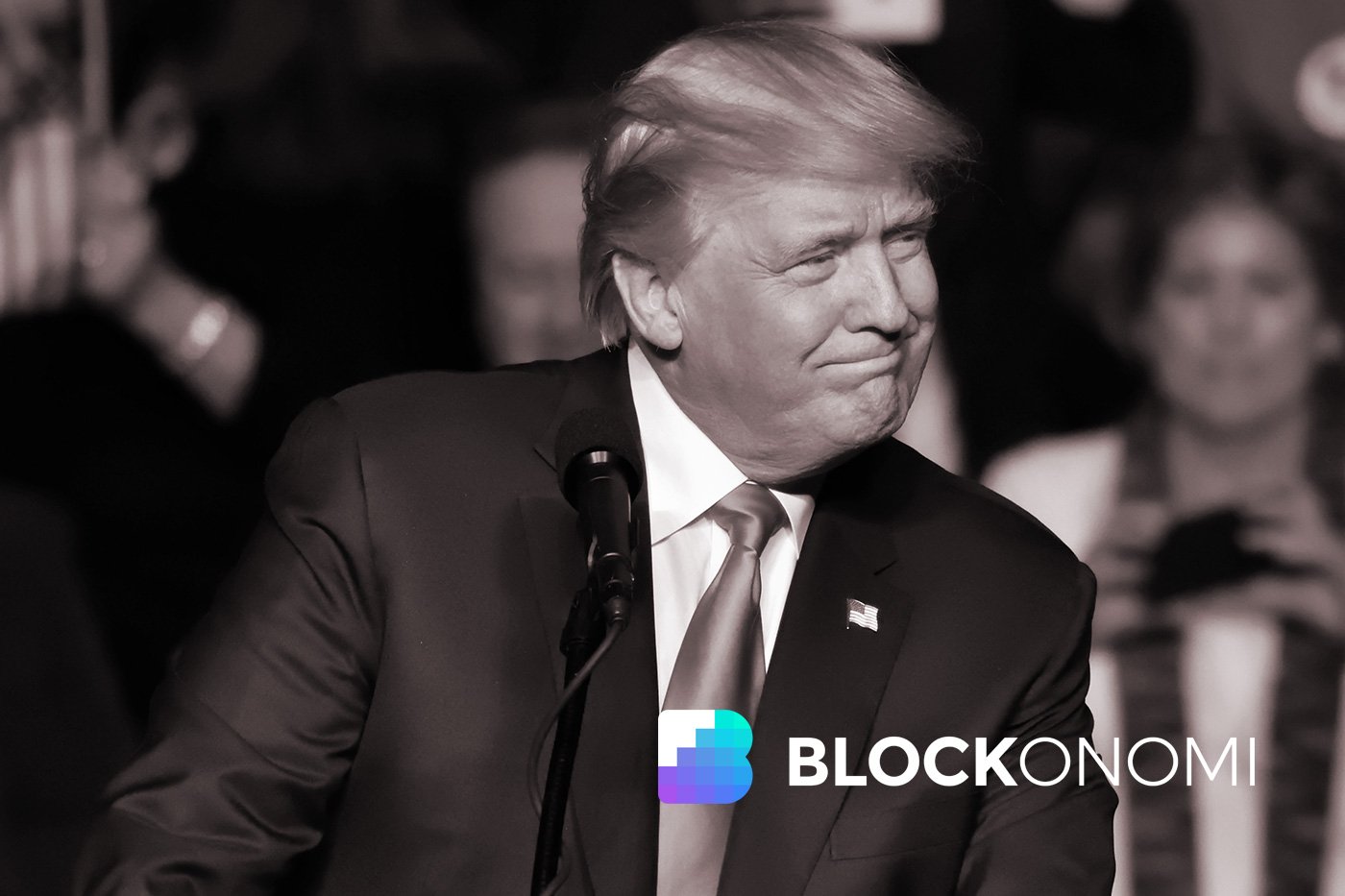
Unpacking Trump’s Strategic Use of Tariffs
Former U.S. President Donald Trump’s use of tariffs has always been a topic of debate and intrigue. Built around a strategic playbook, his tariff announcements were rarely about conventional trade policy—they were market control tools aimed at creating negotiation pathways and wielding geopolitical influence.
The Three-Phase Cycle of Tariffs
Trump’s tariff strategy follows a predictable three-phase pattern:
- Shock: Tariff announcements typically occur late on Fridays or weekends while U.S. markets are closed. This deliberate timing prevents immediate market reactions, allowing news to settle before trading resumes. For instance, on January 18, 2026, Trump announced 10% tariffs on eight European nations, with a potential escalation to 25% by June without agreements.
- Negotiation: Treasury officials issue softer statements, creating hope for temporary measures. Market volatility peaks during this phase, but a sense of impending resolutions begins to take shape.
- Resolution: Tariff escalations are delayed, reduced, or replaced by “historic agreements” that eliminate uncertainty premiums. Markets typically recover to pre-announcement levels within weeks.
Tariffs, Markets, and Bitcoin
One of the most striking phenomena during these tariff cycles is Bitcoin’s reaction. Unlike traditional financial instruments, Bitcoin and other cryptocurrencies experience higher volatility during geopolitical crises. Here’s why:
- 24/7 Trading: Cryptocurrency markets never close, making them more vulnerable during unexpected late-hour announcements.
- Leverage Impact: The high leverage in crypto trading, especially through perpetual futures, accelerates forced liquidations during tariff shocks.
- Thin Liquidity: Compared to traditional markets, crypto markets have thinner liquidity, further amplifying price swings.
Market analysts often describe Bitcoin as the “global pressure valve” for risk. This high beta nature means it sells off harder during uncertainty, providing contrasting behavior compared to gold, which acts as a traditional safe haven asset.
The Broader Implications
Trump’s tariff strategies often extended beyond simple trade negotiations. They influenced alliances, diplomatic relations, and geopolitical tensions.
For example, the January 2026 tariffs targeted European nations, introducing complexity due to NATO-related implications. However, the three-phase tariff strategy remained intact, reinforcing the idea that these moves were less about immediate trade and more about broader market and diplomatic leverage.
What You Can Learn
Understanding the interplay between tariffs, markets, and modern assets like Bitcoin can be invaluable for investors and policymakers alike. This insight equips them to navigate volatility and identify opportunities amid geopolitical turbulence.
Recommendation for Investors
If you’re navigating volatile times, consider diversifying your portfolio. One product that mitigates risks and capitalizes on uncertainty is Ledger’s Ledger Nano S Plus. It’s a secure hardware wallet designed to safeguard your cryptocurrencies against market shocks and political risks. With market-leading security, it’s an essential tool for managing digital assets.