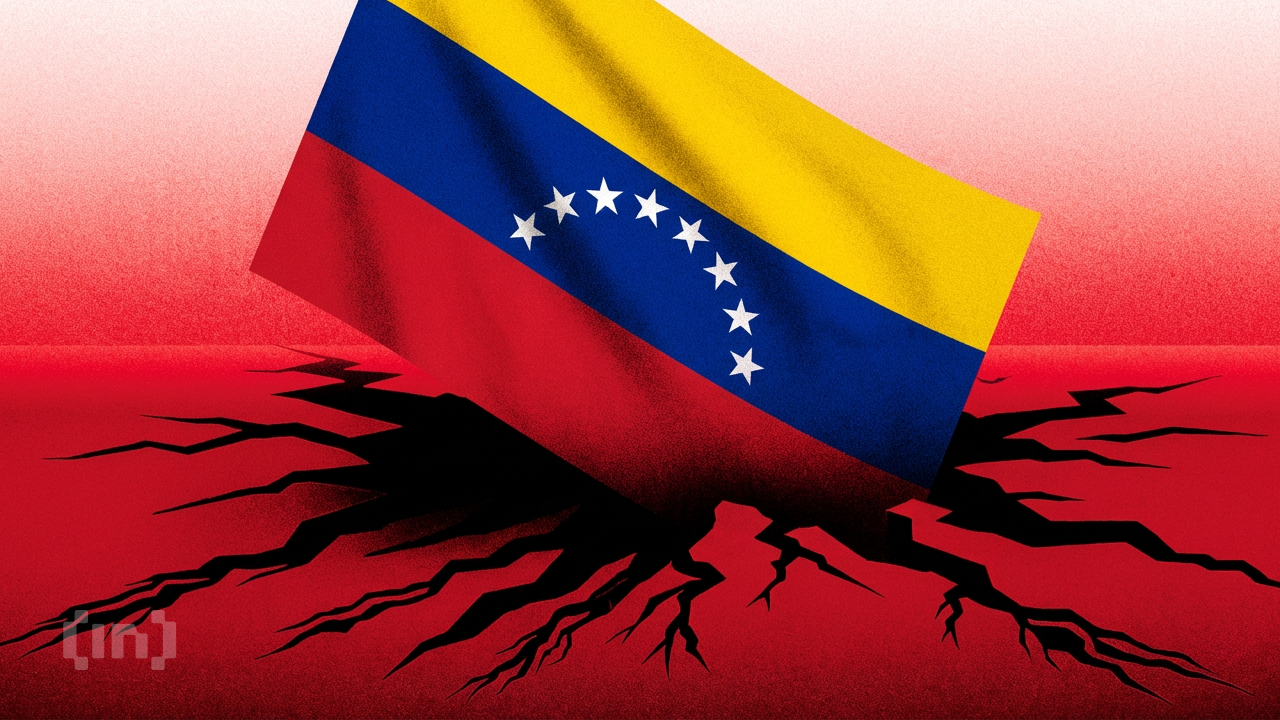
The U.S. Eyes Venezuelan Oil and Digital Assets
In a dramatic announcement on Tuesday, former U.S. President Donald Trump revealed that Venezuela’s interim government has agreed to transfer 30 to 50 million barrels of oil to the United States. This news comes shortly after the capture of Venezuela’s disputed leader, Nicolás Maduro, through a military operation orchestrated by U.S. forces. While the oil transfer serves to replenish U.S. strategic reserves, speculation now rises about what assets might be next in line, with rumors suggesting Venezuela may also hold significant quantities of Bitcoin.
Venezuelan Oil to Bolster U.S. Reserves
According to Trump’s statement on Truth Social, the incoming oil barrels will be sold at market price, with revenues controlled under his directive “as President of the United States.” At an estimated $56 per barrel, the deal could inject up to $2.8 billion into U.S. coffers.
Meetings with executives from Exxon, Chevron, and ConocoPhillips have already been scheduled to discuss the broader potential of the Venezuelan oil sector. Venezuela, which possesses the world’s largest proven crude reserves, has now become a key player in U.S. energy security. The operation is set to be executed immediately, with storage tankers already en route to U.S.-based ports.
Will Bitcoin Follow Oil?
As oil begins to flow into U.S. hands, conversations have turned to Venezuela’s possible cryptocurrency holdings. Over the years, reports have surfaced claiming the Maduro regime has accumulated Bitcoin to evade international sanctions. The rumors vary significantly in scale. Some sources, such as Project Brazen, estimate that Venezuela may hold up to $60 billion in Bitcoin, while others place the figure at a modest 240 BTC (approximately $22 million).
Despite these estimates, no wallets or custodians linked to Venezuela have been publicly identified. Experts speculate the regime likely adopted a decentralized approach, spreading holdings across multiple wallets to avoid detection. Hence, confiscating any assets will pose significant challenges. Unlike physical commodities like oil or gold, Bitcoin is intangible and requires private keys for access. Yet if U.S. intelligence successfully retrieves these digital keys, billions in cryptocurrency could be transferred instantly to government-controlled wallets.
The Strategic Case for Bitcoin
The speculation assumes added weight due to Trump’s stated desire to establish a “strategic Bitcoin reserve,” aimed at enhancing U.S. crypto influence. Such a reserve could align with national interests, particularly if the Bitcoin price continues to climb as institutional adoption surges. However, critics argue that this plan risks becoming a highly politicized endeavor fraught with legal and ethical questions.
To date, Venezuela’s Bitcoin—if it exists on the scale suggested—remains behind an impenetrable wall of encryption. Even as aggressive enforcement measures intensify, these digital assets could remain out of reach, further illustrating the unique resilience of decentralized technologies.
Long-term Market Implications
Regardless of the outcome, many within the cryptocurrency community view U.S. interest in Venezuelan Bitcoin as bullish. Any acquisition by the government is likely to involve holding these assets as part of a strategic reserve rather than selling, which could foster scarcity in the market. As cryptocurrencies continue to grow in importance globally, such moves by national governments could set a precedent for how nations manage digital assets in high-stakes geopolitical scenarios.
Elevate Your Well-being While Following Crypto Trends
For lifestyle enthusiasts keeping an eye on the evolving crypto space, self-care is equally essential. Consider integrating a premium wellness product like SkinCeuticals C E Ferulic Serum into your daily routine. With a potent antioxidant formula, it protects your skin while you dive into the world of cryptocurrencies. Click here to shop now.