Understanding Trump’s Dilemma
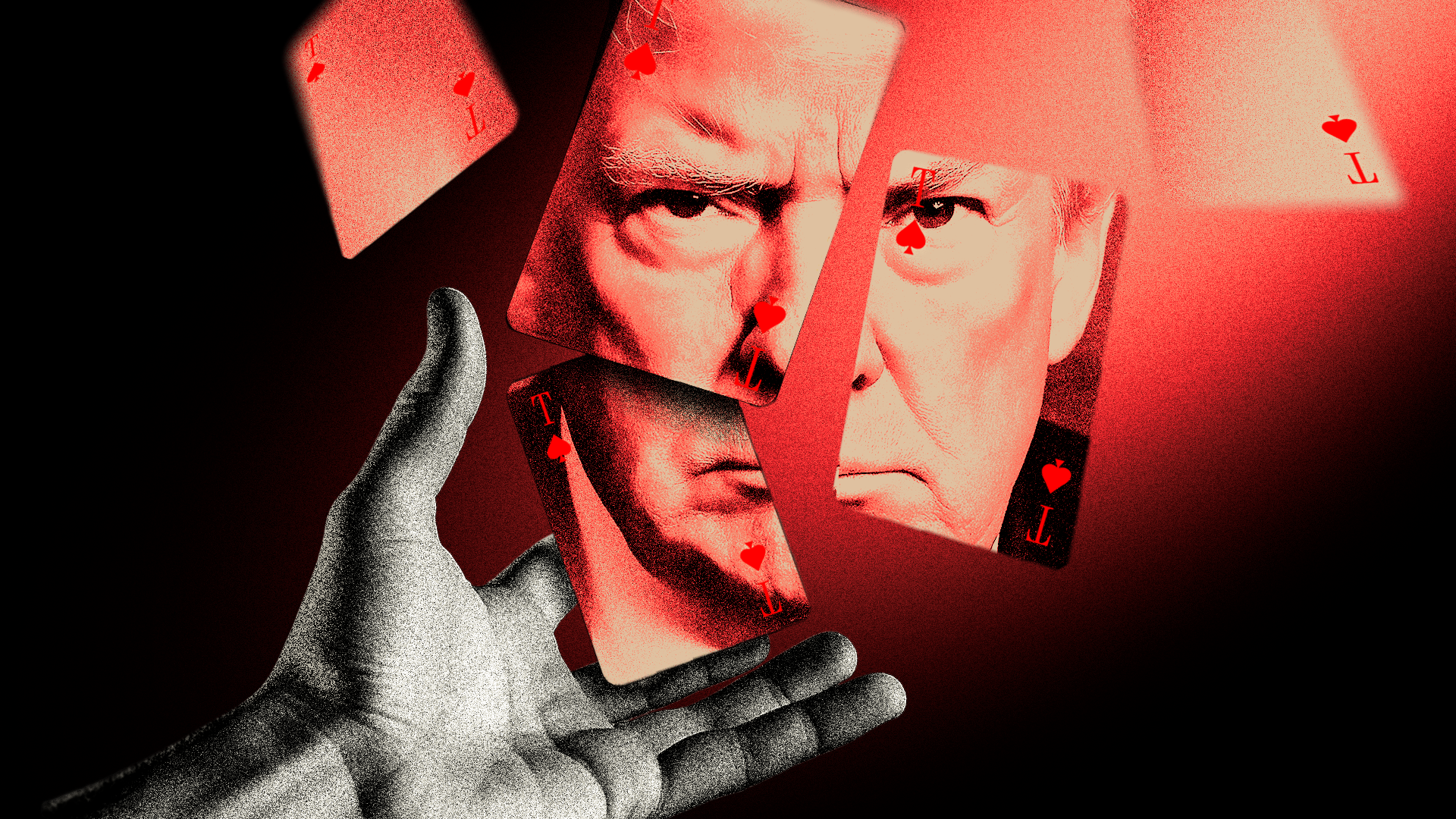
The year 2026 has introduced a unique crossroads for the United States economy and political landscape, where the Federal Reserve’s monetary policy and President Donald Trump’s political ambitions collide head-on. With markets betting on multiple interest rate cuts this year, Trump’s push for economic easing faces stiff resistance from persistent inflation, creating an unprecedented paradox for his administration.
Rate Cut Predictions: What Do the Markets Say?
According to Polymarket, the probability of a rate cut by June stands at a remarkable 94%. Similarly, the CME FedWatch tool aligns with these speculations, projecting two to three cuts by the end of the year. Markets are confident that mounting pressure from the Trump administration coupled with economic indicators will inevitably lead to a policy shift in favor of easing, despite the Federal Reserve’s hawkish stance.
The Federal Reserve’s Standpoint
Philadelphia Fed President Anna Paulson recently shared that further rate cuts might not come until later this year, provided inflation cools down, labor markets stabilize, and GDP growth aligns closer to 2%. Her cautiously hawkish tone suggests a significant divergence between the Federal Reserve’s internal outlook and market expectations for 2026.
The Political Risks of Inflation
For Trump, inflation is no ordinary challenge—it is a political threat that impacts his approval ratings and political capital when it’s most needed. Polls indicate a declining approval of Trump’s economic policies, with affordability becoming a nationwide concern. Everyday costs for basic goods like ground beef and eggs have surged since his initial term, exacerbating frustrations of average American families.
Three Potential Economic Scenarios
The interplay of interest rates, inflation, and employment data may lead to the following outcomes:
- High Inflation: Trump’s political survival weakens, and the Federal Reserve refrains from cutting rates.
- Economic Decline: The Fed cuts rates due to a slowing economy, but Trump faces voter dissatisfaction over weakened growth.
- Soft Landing: Inflation moderates, and economic stability is restored, but the Fed is unwilling to cut rates further.
Upcoming Economic Indicators to Watch
The trajectory of monetary policy—and Trump’s political future—depends on the upcoming data:
- Consumer Price Index (CPI): A decline would justify rate cuts and alleviate public dissatisfaction.
- Producer Price Index (PPI): Falling PPI hints at softer inflation in the near term.
- Employment Statistics: Weakening jobs data will force the Fed to lower rates but may politically hurt Trump.
Final Thoughts
As the Federal Reserve signals caution on policy easing, Trump faces mounting challenges to maintain his political leverage in the face of inflation and high living costs. The economic and political scales remain finely balanced in 2026, making upcoming economic data releases pivotal to shaping future policy.
Looking to stay informed and prepared for financial uncertainty? Consider exploring Tony Robbins’ book, “Money: Master the Game”, which offers tools to better navigate economic volatility.