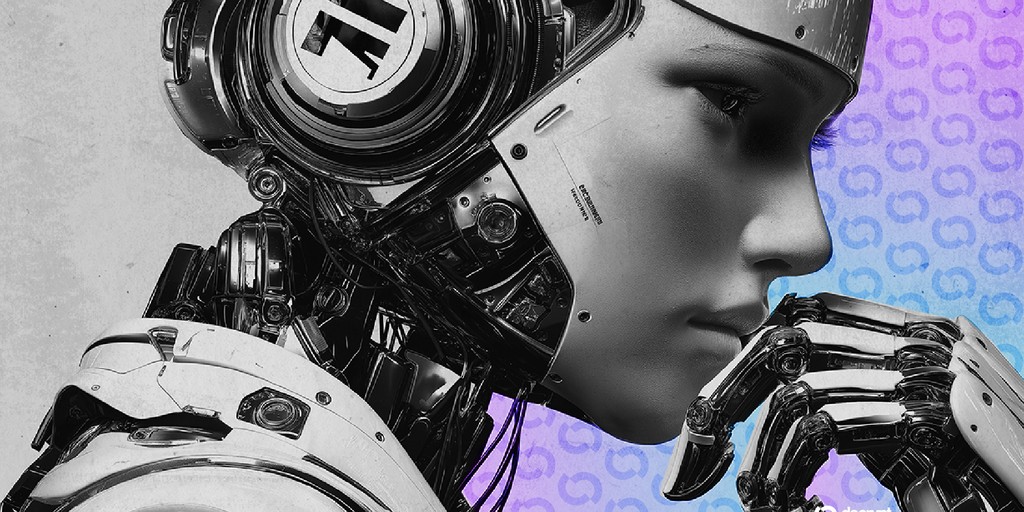
What is Transhumanism?
Transhumanism is a movement that explores the use of advanced science and technology to overcome biological limitations like aging, disease, and even death. Advocates envision a world where humanity transcends its physical form, achieving extended longevity or even digital immortality. However, a lively debate ensues about whether this vision represents progress or poses deeply troubling ethical dilemmas.
Critics Label Transhumanism a ‘Death Cult’
At a recent debate hosted by the Institute of Art and Ideas, renowned thinkers gathered to discuss whether transhumanism would save humanity or erase its essence. Neuroscientist and philosopher Àlex Gómez-Marín criticized the movement as a pseudo-religion focused on eliminating humanity’s basic nature, calling it a “death cult.”
“Transhumanism functions as a techno-religion,” Gómez-Marín argued. “Its language of ‘progress’ cloaks existential risks, such as erasing what it means to be human.” Not only did Gómez-Marín raise philosophical questions, but he also pointed to the lack of ethical governance as technologies advance at unprecedented speeds.
Supporters Advocate for Humane Innovation
Proponents like Zoltan Istvan, a prominent transhumanist and political candidate, disputed these criticisms, describing transhumanism as a humanitarian effort aimed at reducing suffering and extending life. “Death is seen as a natural end of life, but transhumanists believe it can be fought and potentially overcome. Aging is a disease like any other, and we should aim to cure it,” he said, citing his personal loss as motivation.
Technologists such as biohacker Bryan Johnson and Silicon Valley investor Peter Thiel bolster this movement by investing heavily in biotechnology and AI-driven longevity research. For example, companies like Eucerin Hyaluron-Filler promote breakthroughs in anti-aging science, showcasing how technology enhances healthspan in tangible ways.
The Ethical Dilemmas of Digital Immortality
Philosopher Susan Schneider, who has engaged deeply with transhumanist ideas, emphasized the moral risks of concepts like uploading consciousness to digital platforms. “Uploading your brain may offer a digital copy, but it doesn’t grant true immortality. It raises significant ethical and philosophical issues, particularly around identity,” she explained.
Critics also argue that transhumanism risks creating exclusive benefits for the ultra-wealthy, deepening societal divides. Philosophers and ethicists urge attention to equity, regulation, and meaningful oversight of technologies that promise to transform life as we know it.
What Does the Future Hold?
While advocates remain optimistic about humanity’s ability to control its technological future, skeptics warn against hyperbolic claims. AI researcher Adam Goldstein advises focusing less on utopian promises and more on creating effective policies. “We must build ethical frameworks now, not react after irreversible harm is done,” he said.
The key challenge lies in balancing technological innovation with humanity’s need for meaning, equity, and shared values. Thoughtful governance and public discourse will remain essential as AI and biotechnologies reshape the human condition.
Conclusion
Transhumanism promises a dazzling vision of a future where technology solves humanity’s greatest limitations—but not without its critics. As with any revolutionary movement, the road forward will demand rigorous discussion, public engagement, and ethical action. Whether you’re intrigued by the promise of enhanced longevity or wary of its implications, this debate has never been more pertinent.