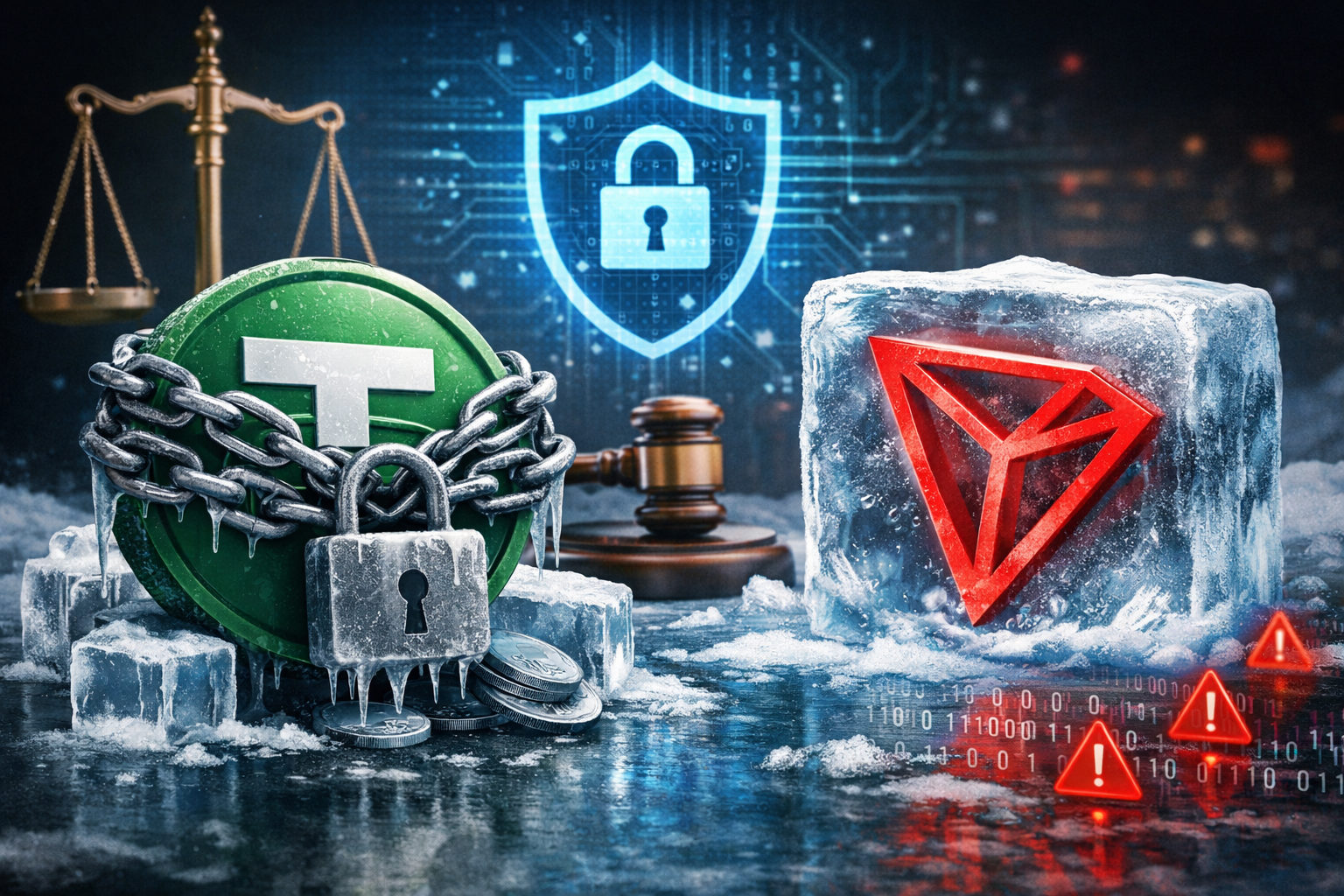
In a significant move that has garnered widespread attention, Tether—the issuer of the world’s largest stablecoin, USDT—froze more than $182 million worth of tokens across five wallets on the Tron network. This unprecedented action highlights the growing influence of centralized controls in the decentralized financial ecosystem and raises important questions about regulatory compliance and user reliance on stablecoins.
The Details Behind the $182 Million Freeze
On January 11, 2026, Tether executed a freeze of $182 million worth of USDT holdings. According to data from Whale Alert, a blockchain monitoring tool, the affected wallets contained balances ranging from $12 million to nearly $50 million. The tokens remain locked at the contract level, rendering them unusable while still appearing on the blockchain.
The action aligns with past enforcement efforts tied to investigations of illicit activities such as scams, hacking, and sanctions breaches. Although Tether has not provided a detailed rationale, reports suggest cooperation with U.S. regulators, including the Department of Justice (DOJ) and the Federal Bureau of Investigation (FBI), as a possible cause.
How Does Tether Control its Stablecoin?
One of the key features of USDT is the administrative control embedded into its smart contracts. These controls allow Tether to freeze funds in individual wallets or even halt specific transactions. While this functionality ensures compliance with anti-money laundering (AML) rules and other regulatory directives, it underscores the centralized authority behind many stablecoins.
Tether has frozen over $3 billion in assets from more than 7,000 addresses between 2023 and 2025, making it the dominant force in enforcement-led interventions compared to other stablecoin issuers. This authority comes at a cost, as it challenges the principle of decentralization that originally defined cryptocurrencies.
Stablecoins: A Double-Edged Sword
The rise of stablecoins like USDT has brought unparalleled liquidity and usability to the crypto ecosystem, particularly in emerging markets and fast-paced trading environments. Yet, the centralized control that issuers wield has sparked debates about security, privacy, and financial autonomy.
According to research by Chainalysis, stablecoins accounted for approximately 84% of illicit crypto activity by 2025. With their dollar-pegged stability, these digital assets have become attractive conduits for fraud and illegal transfers.
What Does This Mean for the Future?
As regulators globally intensify scrutiny on cryptocurrencies, enforcement actions like Tether’s $182 million freeze are likely to become more frequent. While such measures demonstrate the industry’s willingness to comply with legal standards, they also reveal the contradictions inherent in centralized stablecoins versus truly decentralized assets like Bitcoin.
Investors and cryptocurrency users should carefully consider the trade-offs of using centralized stablecoins. Products like Ledger’s Hardware Wallets can help users safely store their crypto assets while maintaining as much autonomy as possible.
Final Thoughts
The case of Tether’s record-breaking freeze underscores the evolving relationship between decentralized finance and traditional regulatory frameworks. While stablecoins offer utility and accessibility, they operate within infrastructures that can yield to external pressures, which may alienate users seeking financial decentralization. As the industry moves forward, balancing compliance with decentralization will remain one of its biggest challenges.