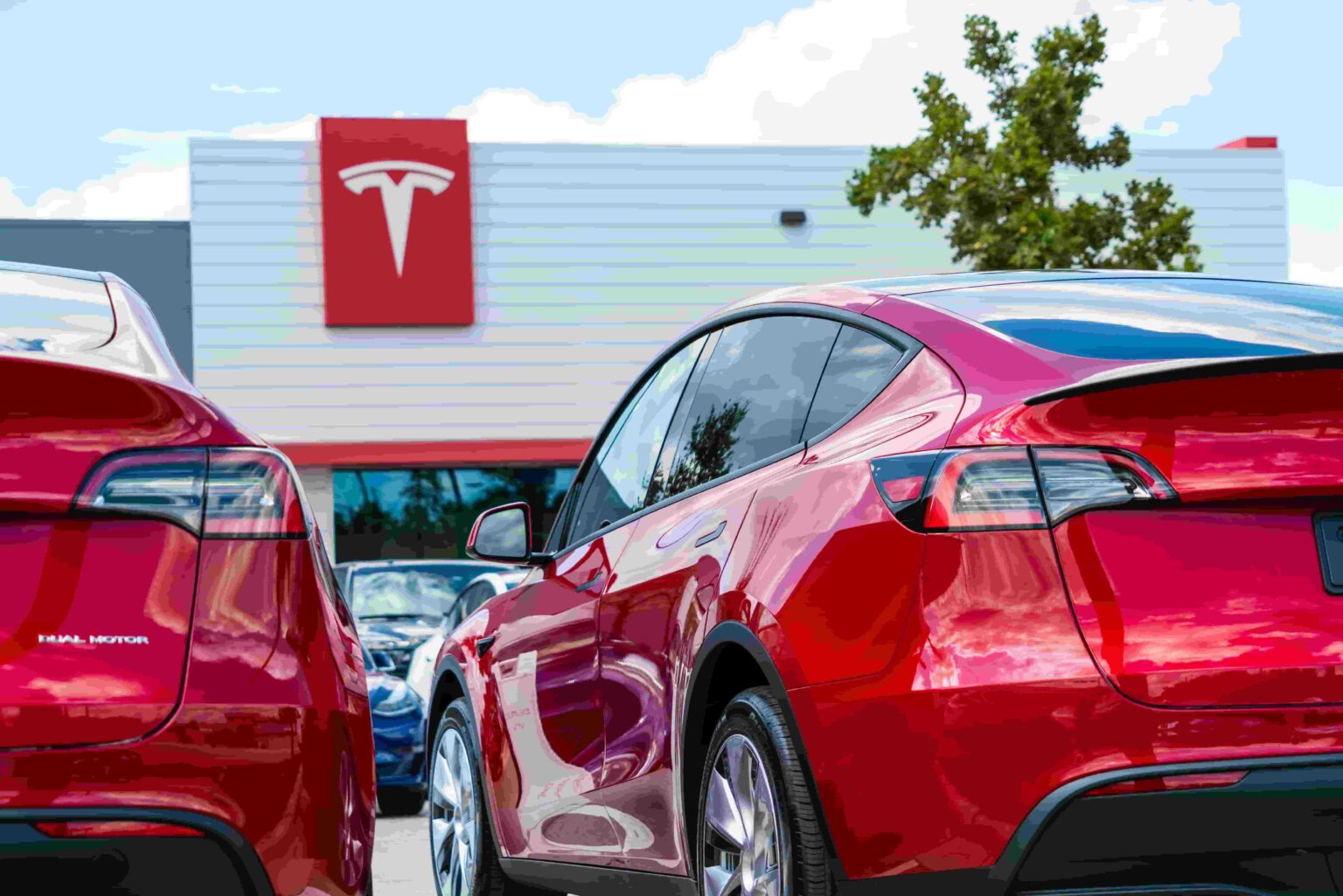
In a year marked by intense challenges and shifting market dynamics, Tesla (NASDAQ: TSLA) finds itself at a crucial turning point. Despite its reputation as a leader in the electric vehicle (EV) industry, Tesla reported weaker-than-expected vehicle deliveries for the fourth quarter of 2025, raising concerns among investors and analysts about its trajectory in 2026.
The Current State of Tesla’s Deliveries
For the fourth quarter of 2025, Tesla delivered 418,227 vehicles, falling short of Wall Street’s expectation of around 426,000. Production figures reached 434,358 vehicles, highlighting a slight mismatch between production capacity and demand. The year-over-year quarterly delivery dropped by approximately 16% from 495,570 vehicles in Q4 2024, and production witnessed a decline of 5.5% from the previous year.
On an annual basis, Tesla delivered 1.64 million vehicles in 2025, an 8.6% drop from the 1.79 million units recorded in 2024. Production for the year slightly outpaced deliveries at 1.65 million vehicles but still remained below 2024 levels. Analysts cite multiple factors for these declines, including rising competition from Chinese EV manufacturers offering more affordable options and boycotts tied to CEO Elon Musk’s political stances.
Market Sentiment and Analyst Predictions
Tesla’s stock, trading at $438 as of the last session, reflects a 2.5% drop for the day but still shows a growth of over 6% year-on-year. Wall Street sentiment, however, has become more cautious. According to TipRanks, the average price target for Tesla shares over the next 12 months stands at $393.90, indicating a potential downside of just over 10% from current levels.
Of the 32 analysts covering Tesla, 13 recommend buying the stock, 10 suggest holding, and nine advise selling, resulting in an overall ‘Hold’ rating. Price targets range from an optimistic $600 to a conservative $19.05, underscoring the varying levels of confidence in Tesla’s future performance.
Mixed Analyst Reviews
- Morgan Stanley: Andrew Percoco reiterated an ‘Equalweight’ rating with a $425 price target, praising Tesla’s record energy storage deployments but citing limited near-term upside given its higher trading value.
- Truist Securities: William Stein maintained a ‘Hold’ rating while trimming the price target from $444 to $439. Stein highlighted weaker-than-expected deliveries and emphasized the need for tangible updates on Tesla’s automotive initiatives in the near term.
- Wedbush: Daniel Ives, on the other hand, maintained an optimistic outlook with an ‘Outperform’ rating and a $600 price target. Ives sees potential in Tesla’s advancements in energy, artificial intelligence, and autonomous driving, despite regulatory and demand-related challenges in the short term.
Emerging Opportunities for Tesla
Despite near-term headwinds, Tesla continues to innovate in areas such as artificial intelligence, full self-driving technology, and energy solutions. Record energy storage deployments in the fourth quarter highlight the company’s growing focus beyond traditional EV manufacturing. Additionally, Tesla’s Cybertruck and robotaxi developments are expected to play a pivotal role in shaping its future direction, with autonomous production slated to begin in 2026.
Considerations for Investors
For those considering investing in Tesla stock, it’s essential to weigh the company’s long-term potential against its current challenges. While the EV market remains highly competitive, Tesla’s continued focus on technological innovation and market expansion positions it as a key player in the industry.
To explore the latest Tesla accessories and gadgets, check out the Tesla store for official products designed to enhance your ownership experience.
As 2026 unfolds, all eyes will be on Tesla’s ability to address delivery challenges, navigate competitive pressures, and innovate in emerging technologies to maintain its leadership in the EV market.