Tesla’s Bold Move Towards AI and Automation
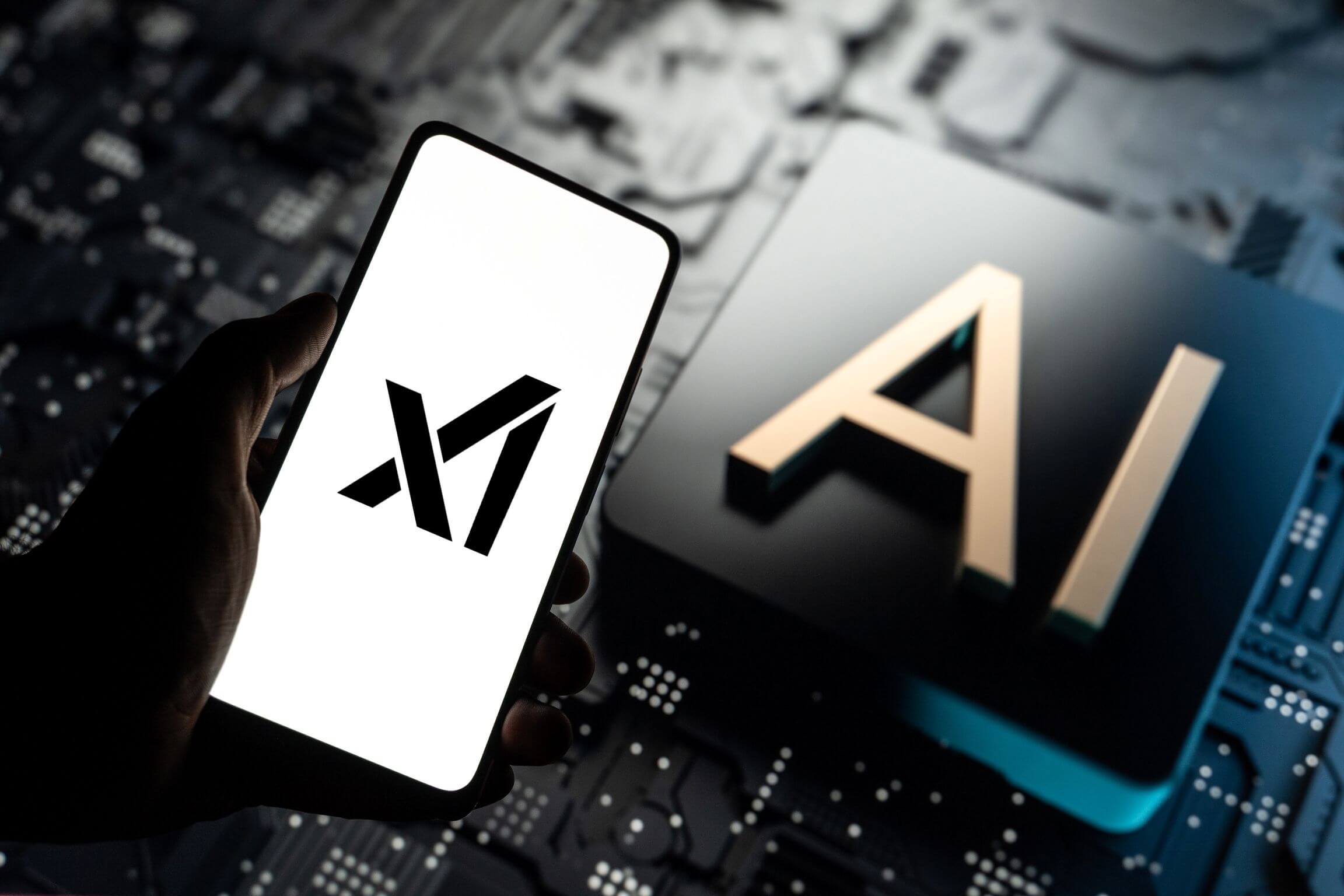
Tesla has officially marked a new chapter in its industry-defining journey by completing a remarkable $2 billion investment into xAI, the artificial intelligence startup spearheaded by CEO Elon Musk. As part of this strategic move, Tesla has acquired Series E Preferred Stock in the company, signaling deeper collaboration between the two tech giants and further cementing Tesla’s positioning as a transformative force in AI technology.
From Cars to Intelligent Robotics
The production of Tesla’s iconic Model S sedans and Model X SUVs has come to an end, freeing up valuable factory space for Optimus humanoid robot manufacturing. The Optimus project reflects Tesla’s prioritization of AI-driven innovations over traditional vehicles, as the automaker shifts its narrative toward groundbreaking technologies that the future demands. These changes align directly with Tesla’s strategy to move beyond electric vehicles and lead in autonomous innovations.
Energy Storage: A New Revenue Leader
In a surprising turn, Tesla’s energy storage division recorded an impressive $3.84 billion in revenue during Q4, which surpassed forecasts by 11%. Utilities across the globe are turning to Tesla’s grid-scale battery solutions to support renewable energy, demonstrating a growing demand for sustainable energy systems. If you’re exploring energy-efficient backups for your home, Tesla’s Powerwall offers high-capacity reliability. Check it out here.
Cybercab Robotaxi: The Future of Mobility
Despite faced with early delays, Tesla remains committed to launching its fully autonomous Cybercab robotaxi by 2026. Designed without steering wheels and pedals, this innovation heralds the age of self-driving mobility. Musk has expressed confidence that 25% to 50% of U.S. states will enable autonomous vehicle operation by late 2026. Though past projections faced obstacles, this new timeline represents Tesla’s dedication to reshaping urban transportation.
Financial Highlights in a Changing Market
Tesla’s revenue decreased by 3% to $94.83 billion in 2025, resulting in the company’s first yearly decline. However, noteworthy improvements in gross automotive margins, thanks to strategic discounting and new trim levels, reflected resilience. Looking ahead, Tesla plans to increase capital expenditure to $20 billion in 2026, fueling investments in Cybercab production, Optimus robots, and new vehicle lines like the Tesla Roadster and Semi trucks.
Growth Challenges: Market Disruption and Political Overlaps
From mounting competition in the EV market to the loss of federal EV tax credits, Tesla faces its share of challenges. Yet, moves like discounting vehicles and producing lower-cost trims have helped Tesla stabilize sales. As Tesla continues pushing forward with innovation, analysts anticipate an 8.2% increase in deliveries for 2026, projecting a total delivery count of 1.77 million vehicles worldwide.
What’s Next for Tesla?
The transition from a car manufacturer to an AI-focused enterprise brings a mix of excitement and uncertainties for Tesla. While scaling up production for Optimus humanoid robots and Cybercabs may take time, Elon Musk’s vision of an autonomous and energy-driven future continues to fuel investor confidence. The company’s short-term challenges are met with long-term plans aimed at reshaping global industries.