Addressing the Data Center Energy Crisis from Space
In a groundbreaking achievement, Starcloud, a Washington-based startup, has made history as the first company to train and operate an Artificial Intelligence (AI) model in outer space. This innovative development could revolutionize how we think about data processing and energy consumption on Earth.
Data centers on Earth are notorious for their immense energy consumption and environmental impact. According to the International Energy Agency, electricity use by data centers is expected to more than double by 2030, contributing to significant levels of greenhouse gas emissions. Starcloud’s orbital data centers aim to leverage the limitless solar energy available in space, free from terrestrial weather conditions or day-night cycles, and achieve energy costs projected to be 10 times lower than traditional ground-based facilities.
First Steps in Space AI: Starcloud’s Game-Changing Milestone
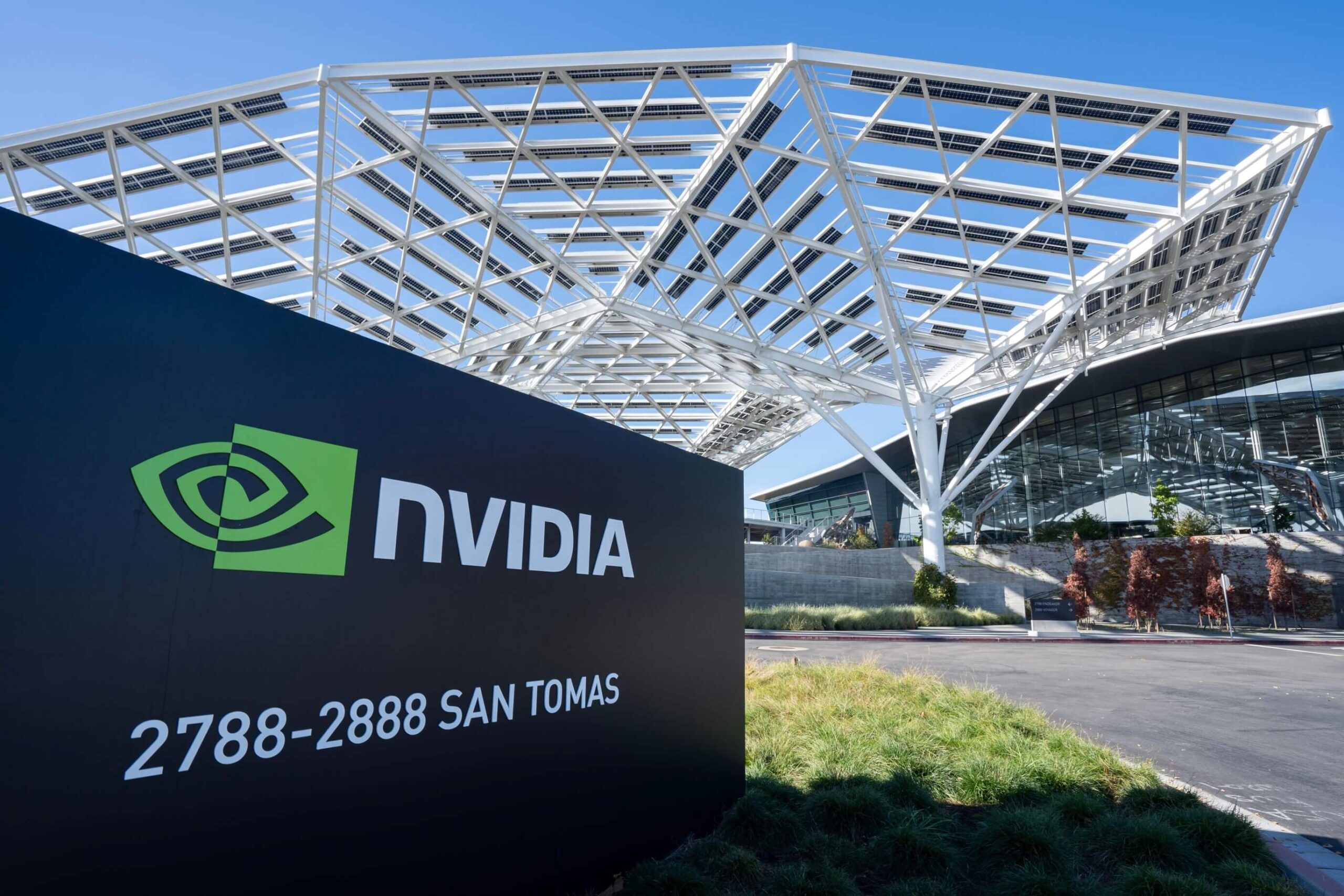
Launched in November 2025, the Starcloud-1 satellite carried the Nvidia H100 graphics processing unit, a chip said to be 100 times more powerful than any GPU previously sent into space. Operating Google’s Gemma AI large language model and training OpenAI’s NanoGPT on Shakespeare’s complete works, the satellite demonstrated the feasibility of running AI-driven operations in orbit. This advancement supports critical Earth observation tasks such as wildfire detection, lifeboat tracking for capsized vessels, and real-time intelligence for disaster response.
Starcloud CEO Philip Johnston stated, “Anything you can do in a terrestrial data center, I’m expecting to be able to be done in space.” Users can even interact with the satellite, receiving real-time updates on its position and operational status. Starcloud is part of Nvidia’s Inception program and integrates cutting-edge technology like the Blackwell platform for its next-gen launches scheduled for October 2026.
A Race to Space: Growing Competition in Orbital Data Centers
Starcloud is not alone in the race for sustainable computing across the stars. Prominent tech giants such as Google have announced Project Suncatcher, designed to deploy solar-powered satellites using tensor processing units. Meanwhile, Lonestar Data Holdings plans to establish commercial data centers on the lunar surface, and Aetherflux aims to launch a satellite data center in early 2027. These ventures highlight the escalating competition in this new frontier, emphasizing the need for innovation, including radiation resilience, maintenance methods, and space debris management.
Your Tech Toolbox: Discover Nvidia H100-Powered Innovation
For those eager to explore the capabilities of Nvidia’s revolutionary H100 GPUs, integrating them into your own AI workloads is now more accessible than ever. Top distributors like Nvidia offer products designed for unparalleled AI performance and efficiency.
Curious about space AI’s potential to transform industries and save energy? Stay tuned for more updates from Starcloud as they prepare for new satellite launches in October 2026 and beyond.