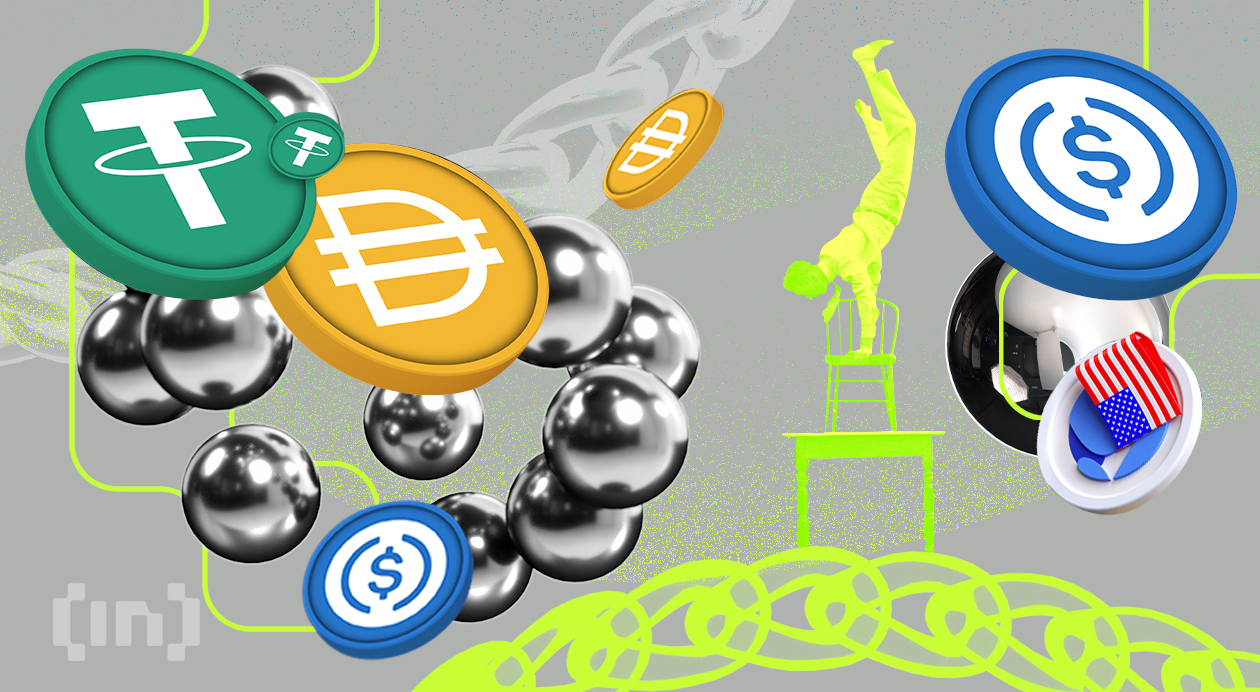
Stablecoins and the Future of Fintech
As the digital finance landscape evolves, stablecoins are taking center stage as a bridge between traditional financial systems and decentralized finance (DeFi). Recent advancements in blockchain technology and partnerships between fintech giants and crypto platforms have positioned stablecoins as a game-changer in the global economy. Let’s explore how stablecoins are reshaping the future of payments and finance for both institutions and everyday users.
What Are Stablecoins?
Stablecoins are digital currencies pegged to the value of fixed assets, such as the US dollar, euro, or even commodities like gold. Unlike cryptocurrencies like Bitcoin, stablecoins are designed to minimize price volatility, making them a reliable option for transactions and financial settlements.
A great example is PayPal’s PYUSD stablecoin, launched to enable faster and cheaper settlements for its global users. With stablecoins, digital money transfers become seamless, bypassing the traditional limitations of costly and slow banking systems.
The Role of Stablecoins in Fintech
Leading fintech companies are embracing stablecoins to improve efficiency, reduce costs, and reach underserved markets. In 2025, Klarna announced its U.S. dollar stablecoin, KlarnaUSD, built on Tempo—a blockchain platform developed for payments. This innovation allows users to settle payments globally at near-zero costs while simplifying cross-border money transfers with unmatched speed.
In regions like Latin America and Southeast Asia, where local currencies often experience high volatility, stablecoins serve as reliable alternatives to traditional banking. From digital nomads to businesses managing global payments, the adoption of stablecoins is growing across diverse user bases, revolutionizing the financial landscape.
Infrastructure: The Key to Success
The success of stablecoins hinges on robust infrastructure. Platforms like Tempo focus on creating real-time settlement systems, multi-chain routing, and compliance solutions for global transactions. Couple this with partnerships involving major players like Stripe, Revolut, and Mastercard, and the ecosystem is rapidly evolving to accommodate large-scale adoption of stablecoins.
According to industry leader Arthur Firstov, “The real battlefield today is infrastructure. The winners will be those who build seamless, compliant, and efficient payment rails for users worldwide.”
Stablecoins for Everyday Use
Beyond corporate applications, stablecoins are transforming personal finance. A growing number of users now rely on stablecoins for global remittances, freelancer payments, and even peer-to-peer transactions. With platforms such as PayPal, Klarna, and Stripe integrating stablecoin-based systems, users can enjoy reduced transfer costs and faster settlement times, eliminating the inefficiencies of legacy banking systems.
The Future of Programmable Money
As stablecoins and digital finance systems mature, we are witnessing the convergence of traditional banking and blockchain technology. Institutions are leveraging tokenized real-world assets (RWAs) and scalable payment rails powered by stablecoins to build a more inclusive global financial system.
For hassle-free digital payment solutions, consider exploring apps like PayPal’s Digital Wallet. These platforms integrate stablecoins, offering seamless global transactions at minimal fees.
Why Stablecoins Matter
Stablecoins are not just about technology—they represent inclusion, efficiency, and growth on a global scale. From bank customers in New York to entrepreneurs in Argentina, the benefits of programmable money are becoming accessible to everyone. With innovations like KlarnaUSD and PayPal PYUSD leading the way, the financial world is undergoing a transformative shift.
The age of programmable money is here, and stablecoins are paving the way for a future where payments are instant, transparent, and borderless.