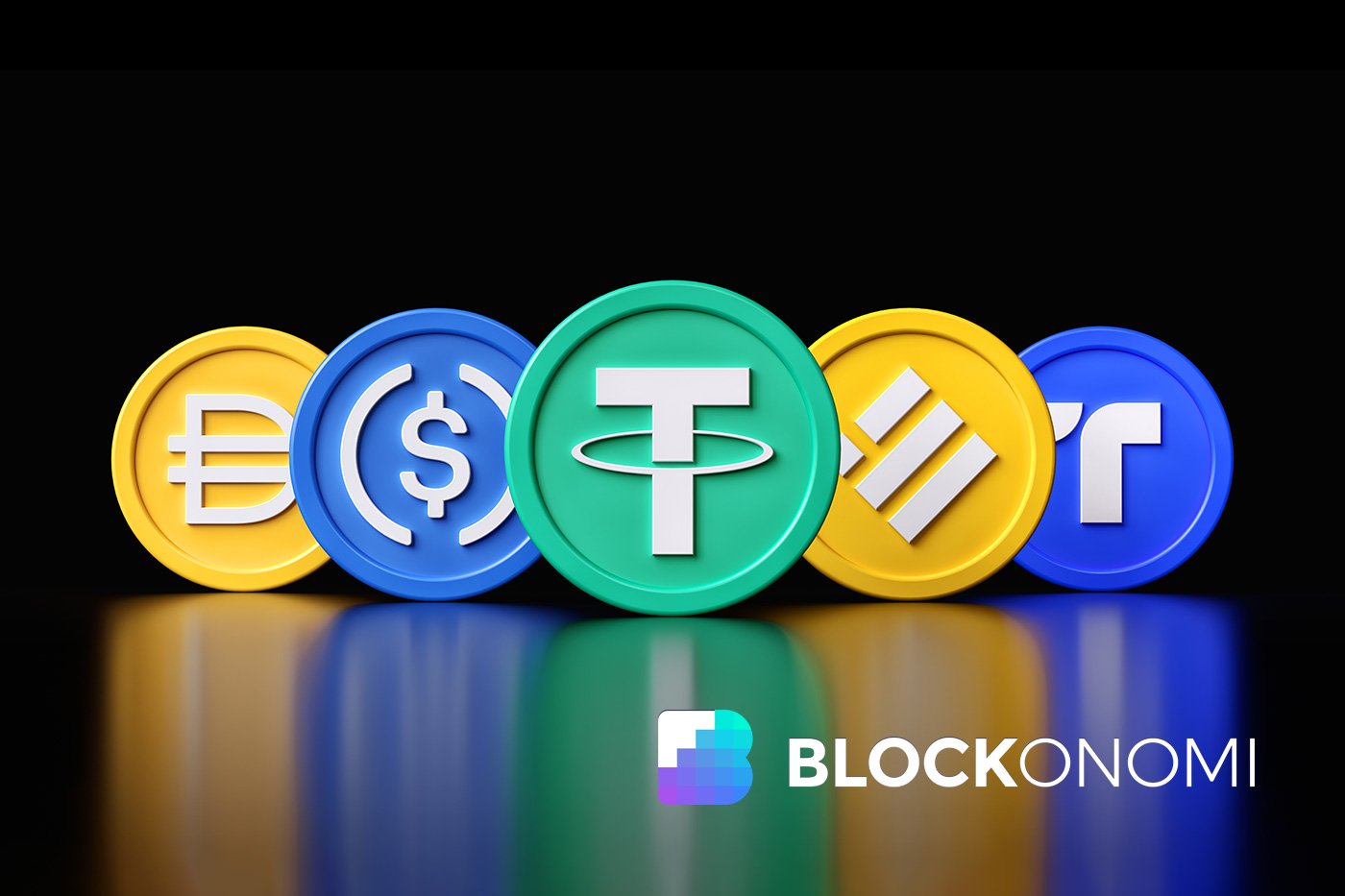
What Are Stablecoins and Why Do They Matter?
Stablecoins have gained immense popularity over the past few years, positioning themselves as a transformative element in the evolving digital economy. Unlike traditional cryptocurrencies such as Bitcoin, which are prone to volatility, stablecoins are designed to maintain a stable value by pegging themselves to assets like the U.S. dollar or commodities such as gold. This stability makes them particularly useful for payments and remittances, especially in regions underserved by traditional banking systems.
The Role of Stablecoins in Payment Infrastructure
The true potential of stablecoins lies in their ability to enable programmable money transfers. By leveraging decentralized protocols, stablecoins offer unique advantages, including faster settlements, reduced reliance on intermediaries, and enhanced transparency in transaction flows. According to Simon Taylor’s analysis, the shared infrastructure of stablecoins represents a paradigm shift from legacy payment systems, which rely heavily on intermediaries for processing transactions.
Why Now? The Strategic Opportunity for Stablecoins
As cross-border transactions grow exponentially, traditional banking systems struggle with inefficiencies, high fees, and slow processing times. Stablecoins are addressing these inefficiencies by providing a secure and cost-effective alternative. Markets in developing economies stand to gain the most, as consumers and businesses in these regions often lack access to stable financial infrastructure.
Breaking Down the Stablecoin Ecosystem
Key players in the stablecoin market are positioning themselves as disruptors. According to analysts such as Nick Carter, the competitive advantage of stablecoins lies in their programmability, composability, and ability to compress the payment stack. This fundamentally alters how value is captured, redistributing wealth from traditional financial institutions to wallet providers and other ecosystem participants. For consumers, this translates into lower fees and more versatile payment options.
Challenges and Future Outlook
While stablecoins offer numerous benefits, challenges remain. One critical issue centers around the regulatory landscape. Governments and regulators are still figuring out the appropriate frameworks to oversee stablecoin adoption. Furthermore, as competition in the stablecoin sector intensifies, issuer economics are likely to commoditize faster than anticipated. This could mean that the value proposition for providers will shift toward wallet platforms and payment application layers.
Recommended Resource for Your Wallet Needs
If you’re looking to explore stablecoin wallets that ensure secure and seamless transactions, consider Coinbase Wallet. This highly trusted platform supports a wide range of stablecoins and prioritizes ease of use, security, and accessibility.
Conclusion
Stablecoins are revolutionizing digital payments, fundamentally changing how we approach cross-border transactions and financial accessibility. By offering faster settlement times, reduced fees, and programmability, stablecoins are paving the way for a future where financial systems are more inclusive and efficient. As the market continues to grow, the focus will shift toward developing robust ecosystems and embracing regulatory clarity for long-term sustainability.