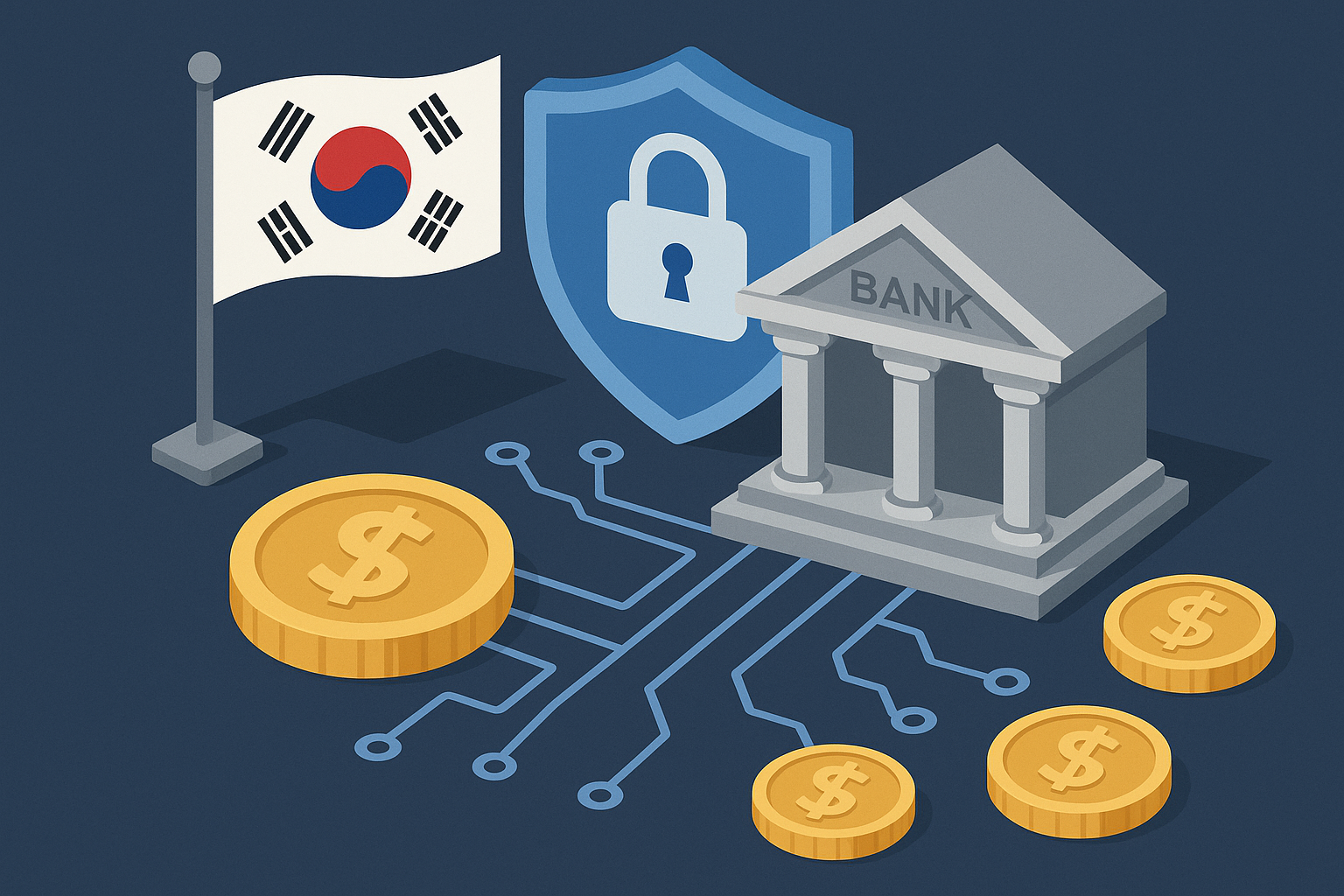
South Korea has taken a significant step in solidifying its regulatory framework for stablecoins, moving toward a bank-led model to ensure financial stability while fostering crypto innovation. The updated legislation builds on the Digital Asset Basic Act, aiming to bridge regulatory gaps and create a safer ecosystem for digital assets.
Why South Korea’s New Stablecoin Regulation Matters
As cryptocurrency adoption continues to grow, particularly among individuals aged 20 to 50, the government recognizes the urgent need to address stablecoin issuance and oversight. Leading global stablecoins like USDT and USDC have dominated markets, and South Korean regulators aim to align with international standards while establishing clear guidelines for domestic players.
The new framework is built on a consortium model where banks hold the majority control of stablecoin issuance. This approach addresses concerns about financial stability while still allowing participation from tech companies. The banks’ primary role is to ensure systemic risk is minimized, aligning stablecoin operations with traditional financial safeguards.
Key Features of the New Stablecoin Model
- Comprehensive regulations on reserves, issuance, and supervision of stablecoins.
- Bank-led control with structured participation from tech firms.
- Alignment with international standards to maintain market competitiveness.
Policymakers believe that setting these regulations early can support innovation without compromising monetary stability. The goal is to create a Korean-style stablecoin model that mirrors traditional finance safeguards, reducing the risk of fragmented or inconsistent products entering the market.
What’s Next for South Korea’s Crypto Ecosystem?
The Dec. 1 report by Maeli Business Newspaper outlined plans to submit the finalized proposal by Dec. 10. If delayed, lawmakers intend to push their version of the bill forward by January 2025. This legislation marks a notable shift toward responsible innovation, with the aim of fostering a sustainable digital asset market.
For crypto enthusiasts and businesses, this means a more stable and predictable regulatory environment. Developers and financial firms will benefit from reduced uncertainties, encouraging the creation of compliant and innovative crypto products for the market.
Stay Secure in the Evolving Crypto Landscape
As part of the regulatory overhaul, South Korea is also tightening cybersecurity laws under the Electronic Financial Transactions Act. These changes include stricter penalties and enforcement measures to address hacking incidents, providing greater confidence to both investors and institutions operating in the digital space.
Interested in diving deeper into cryptocurrency investments within a secure environment? Consider starting with beginner-friendly platforms like eToro, which allows you to trade top cryptocurrencies like Bitcoin, Ethereum, and Litecoin. With user-friendly features and robust security protocols, it’s an excellent option for those exploring the crypto space.
The Bigger Picture: South Korea’s Global Position
By taking this bank-led approach, South Korea aims to keep pace with countries like the US, EU, and Japan, which have already established solid frameworks for stablecoins. Regulators hope to prevent domestic companies from falling behind their global competitors as the digital asset market continues to grow.
As crypto adoption rises, the updated rules set the foundation for a thriving, well-regulated market that balances innovation and financial stability. Stay tuned for more news as South Korea finalizes key legislation to shape the future of its digital economy.