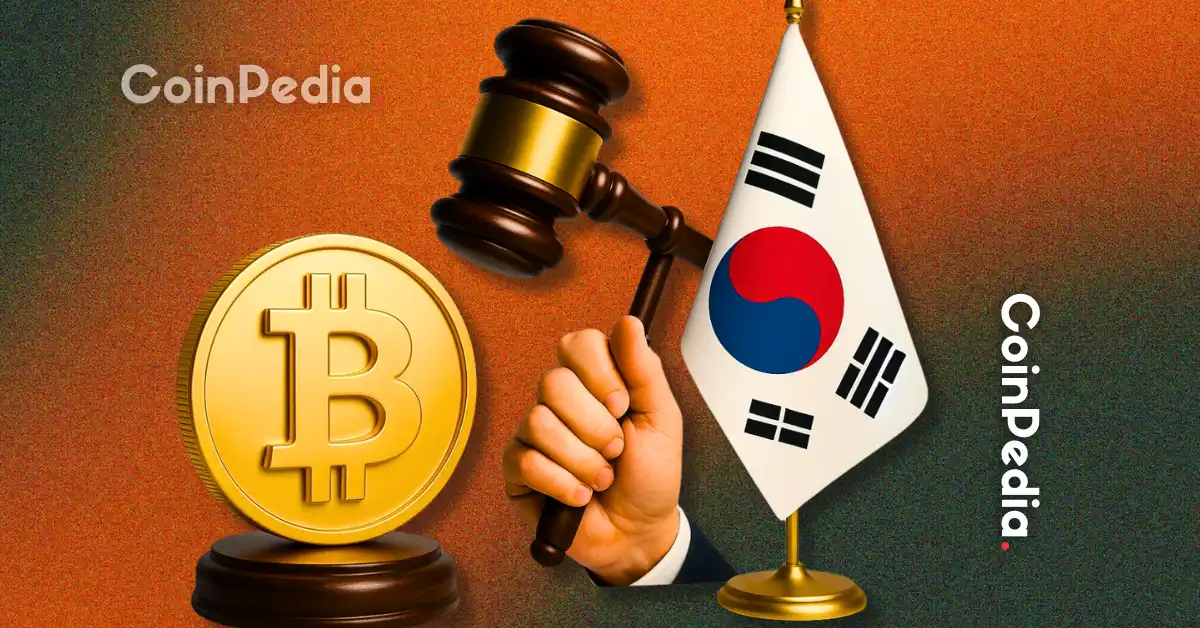
South Korea’s Financial Intelligence Unit (FIU) has recently imposed a hefty fine of $1.88 million on Korbit, one of the country’s oldest cryptocurrency exchanges. This decisive move underscores the nation’s increasing regulatory scrutiny on crypto platforms amid a rapidly evolving digital asset landscape.
Grounds for the Fine: What Went Wrong?
The FIU uncovered approximately 22,000 compliance violations during their inspection of Korbit, conducted between October 16 and 29, 2024. Key issues included major shortcomings in both anti-money laundering (AML) protocols and customer verification processes. Most notably:
- Improper Customer Due Diligence (CDD): Over 12,800 cases were identified where identity verification processes failed, involving unclear or unverifiable ID documents, incomplete addresses, and a lack of re-verification for high-risk users.
- Premature Trading Permissions: Approximately 9,100 cases showed users trading without completing full verification procedures.
- Unregistered Overseas Transfers: The exchange handled 19 virtual asset transactions with foreign service providers without proper reporting, violating Korean statutes.
- Lack of Risk Assessments: Korbit introduced certain transaction types, including NFT-related services, without conducting mandatory money-laundering risk assessments (655 documented cases).
What Does This Mean for Korbit?
Alongside the hefty monetary penalty, the FIU has issued institutional warnings to Korbit executives, including cautioning the exchange’s CEO and reprimanding their reporting officer. This comes as Mirae Asset, a prominent South Korean financial services company, reportedly eyes acquiring 92% of Korbit for a potential price tag of $97 million.
Industry experts believe this enforcement action serves as a wake-up call, not only for Korbit but for the broader crypto market in South Korea. With mounting regulatory pressures, crypto exchanges must navigate stricter compliance requirements to ensure operational continuity.
How Does This Impact the Crypto Community?
The Korbit case highlights a significant shift in South Korea’s approach to cryptocurrency regulation. The FIU’s focus on AML and CDD compliance sets a precedent for other exchanges to prioritize transparency and security in their operations. As regulatory frameworks tighten, global investors and traders will likely feel more confident in engaging with South Korean crypto platforms.
Why Compliance Tools Are Paramount in Crypto Today
As audits and penalties become more frequent, adopting cutting-edge AML and Know-Your-Customer (KYC) technologies is no longer optional for exchanges. Solutions like Chainalysis, a blockchain data platform specializing in compliance and fraud detection, could help exchanges like Korbit avoid future pitfalls. Chainalysis offers real-time transaction monitoring and comprehensive risk assessments—features that align seamlessly with tighter governmental regulations.
Conclusion: A Call for Transparency and Trust
Korbit’s $1.88 million fine serves as a clear message to the crypto industry: compliance is no longer a box to check but a cornerstone for trust and sustainability. Whether you’re an investor, trader, or platform operator, staying informed about regulatory shifts and adopting compliant practices is essential for thriving in the ever-changing crypto ecosystem.