South Korea’s Bold Step: Ending Corporate Crypto Restrictions
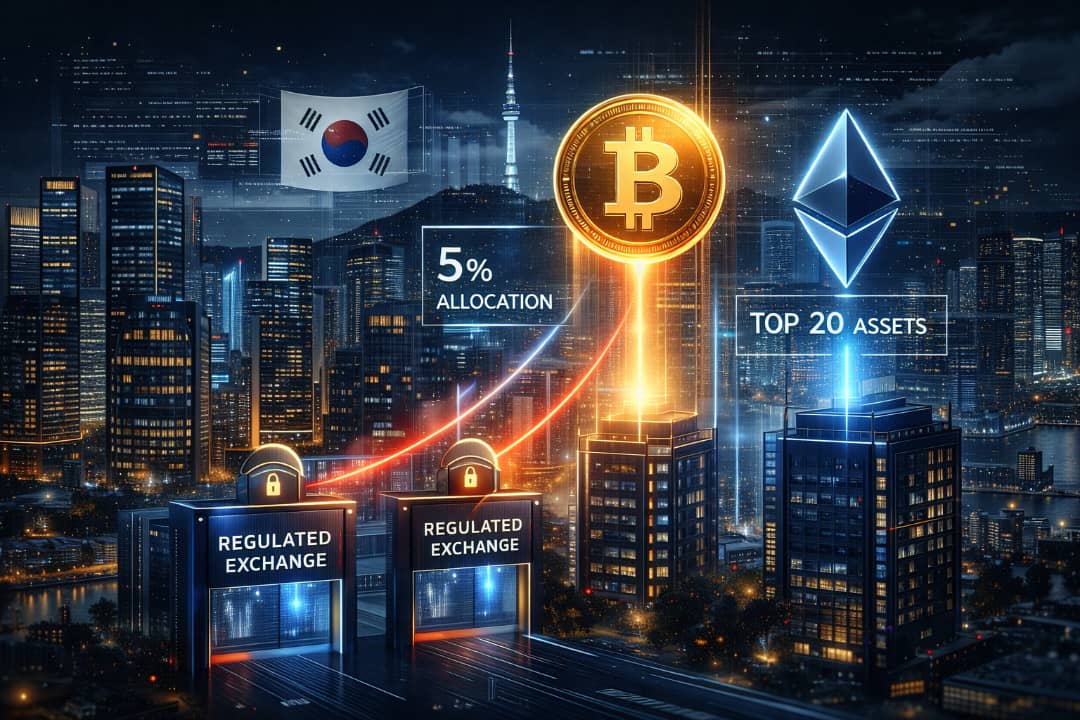
After nearly a decade of stringent limitations, South Korea is making a groundbreaking move by lifting its nine-year ban on corporate cryptocurrency investments. This new policy stance promises to reshape the nation’s digital asset landscape and solidify its position in the global financial ecosystem. The Financial Services Commission (FSC) of South Korea has introduced new guidelines permitting listed companies and professional investors to allocate up to 5% of their equity into the top 20 cryptocurrencies by market cap. This significant development marks a major pivot from the restrictive regulations imposed in 2017.
The Evolution of Crypto Regulations in South Korea
Back in 2017, South Korea prohibited companies from investing in cryptocurrencies due to concerns over market volatility, speculative trading, and money laundering activities. The government feared that unchecked corporate involvement could destabilize the financial market, prompting an outright ban.
However, with the cryptocurrency market maturing and the need for innovation growing, the FSC’s new framework signifies a forward-thinking approach. A senior FSC representative stated that the guidelines are near completion and expected to be released by early 2026. Under this new model, corporate entities will have regulated access to invest in digital currencies through South Korea’s top five licensed crypto exchanges, which are known for their compliance and anti-money-laundering (AML) standards.
Regulated and Controlled Investment: The 5% Cap
The FSC aims to strike a balance between innovation and risk mitigation. The new policy allows companies to invest up to 5% of their equity into cryptocurrencies, which will be treated as high-volatility financial instruments. This conservative limit ensures companies don’t overexpose themselves financially while still enabling them to diversify their portfolios and leverage blockchain opportunities.
Critically, this allowance only applies to the top 20 cryptocurrencies globally by market capitalization, including well-established assets like Bitcoin (BTC) and Ethereum (ETH). This removes many smaller, high-risk tokens from corporate reach, promoting stability and reliability in investment choices.
Exclusive Use of Regulated Crypto Exchanges
In a stringent move to ensure security and compliance, all corporate trades must be conducted on South Korea’s top five regulated exchanges. These platforms follow strict asset custody standards, transaction monitoring, and AML protocols. By requiring the use of vetted exchanges, the FSC minimizes risks associated with illicit financial activities and unregulated offshore platforms.
Potential Outcomes for the Digital Asset Market
- Increased liquidity: Greater corporate participation could boost the trading volume on domestic crypto exchanges.
- Legitimization of cryptocurrencies: Enhanced corporate involvement may increase consumer confidence and market credibility.
- Innovation: Companies could explore blockchain applications, spurring technological advancements across industries.
- Portfolio diversification for businesses: Listed companies can integrate cryptocurrencies as part of their financial strategy.
A Measured Approach to Digital Finance
South Korea’s strategic move signals readiness to modernize its financial landscape. The government’s cautious yet progressive stance demonstrates a firm commitment to balancing innovation with systemic protection. By maintaining strict oversight, limiting investments to high-cap cryptocurrencies, and enforcing usage of regulated exchanges, South Korea ensures a robust framework for companies entering this space.
For businesses looking to integrate blockchain solutions as part of their strategies, South Korea’s regulatory reversal could usher in new opportunities for growth and digital innovation. Furthermore, individuals interested in blockchain-backed real estate or tokenized asset platforms may find the developing landscape even more intriguing. For instance, platforms like BlockFi offer tailored financial solutions blending traditional finance with the crypto world.
Final Thoughts: A Major Policy Reversal
The lifting of South Korea’s nine-year corporate crypto investment ban symbolizes a significant shift in the country’s digital finance strategy. By enabling institutional players to participate responsibly, the government is paving the way for sustainable expansion of its virtual asset market. Stay tuned for further updates as South Korea sets the stage for a new chapter in blockchain and cryptocurrency adoption.