Solana CEO Champions Continuous Evolution Over Protocol Ossification
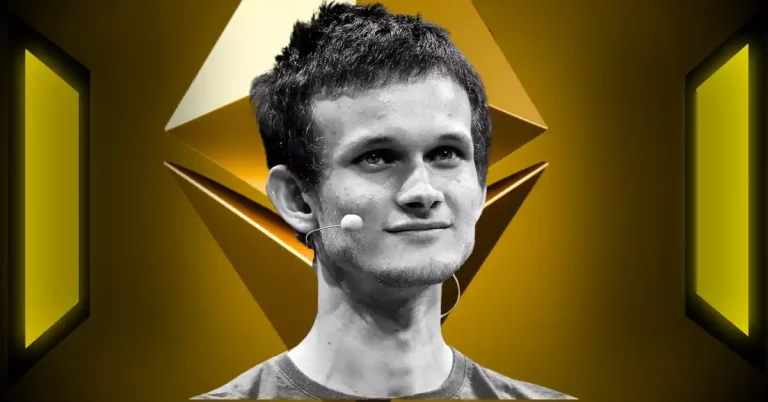
The cryptocurrency world is buzzing after Solana’s co-founder, Anatoly Yakovenko, made headlines with his bold stance on blockchain development. In a social media post on X (formerly Twitter), Yakovenko criticized Ethereum co-founder Vitalik Buterin’s strategic vision of ‘ossification.’ Instead, Yakovenko emphasized the need for perpetual evolution in blockchain technology to adapt to ever-changing developer and user needs.
The Debate: Evolution vs. Permanence
At the heart of this debate lies a divide between two visionary ideologies. Vitalik Buterin has proposed the idea of the “walkaway test,” which envisions Ethereum evolving into a self-sustaining, immutable protocol. Under this plan, Ethereum would eventually ‘ossify,’ meaning the network would no longer require developers to maintain or add significant upgrades. Buterin believes this strategy would ensure Ethereum remains a reliable and secure settlement system in the long term.
Conversely, Yakovenko argues that blockchain systems must continuously evolve to survive. He stated that being materially useful to both developers and users is key for a blockchain’s longevity. According to Yakovenko, Solana’s mission is to avoid reliance on any single group or person for upgrades, instead fostering a decentralized and adaptable community of contributors.
The Role of Artificial Intelligence in Solana’s Vision
Interestingly, Yakovenko suggested that artificial intelligence (AI) could play a vital role in accelerating Solana’s future growth. By utilizing AI-driven tools, Solana’s network governance and coding processes could evolve at a pace far beyond human capabilities. For example, Large Language Models (LLMs) could generate precise coding specifications and even verify their completeness and accuracy. With this approach, Yakovenko envisions a blockchain platform that can self-optimize in ways unprecedented in the crypto world.
Why This Matters for Blockchain Users
This ideological clash between Ethereum and Solana offers crypto enthusiasts insight into two distinct paths for the industry’s future. Ethereum’s approach prioritizes stability, security, and trust by limiting changes after reaching critical milestones, such as quantum resistance and full scalability. Meanwhile, Solana’s vision of ongoing adaptation promises rapid innovation, fast transaction speeds, and a technology-first platform to stay ahead in a competitive market.
These differing philosophies mean users must carefully consider which network aligns with their priorities. Are you a developer seeking a dynamic platform that evolves rapidly? Solana might be the ideal choice. On the other hand, investors looking for a stable, secure protocol may lean toward Ethereum’s strategy.
Suggested Product for Blockchain Developers
If you’re exploring Solana’s ecosystem or other blockchain networks, consider Ledger Nano X, a highly secure hardware wallet for managing your cryptocurrency. It supports multiple blockchains, ensuring your assets stay safe while you explore the latest advancements in crypto technology.
Conclusion: A Pivotal Moment for Blockchain Technology
The diverging strategies of Ethereum and Solana highlight the innovative, fast-paced nature of the cryptocurrency space. While Ethereum focuses on becoming a robust, immutable system, Solana promises to drive forward with relentless upgrades and technological advancements. For blockchain enthusiasts, developers, and investors, this debate underscores the importance of aligning your goals with the right network.