What Are Tokenized Securities?
Tokenized securities are digital representations of traditional securities such as stocks that are issued, traded, and managed through blockchain technology. This innovative approach allows for decentralization, quicker settlement times, and potential for fractional ownership, which has gained popularity both in traditional finance (TradFi) and decentralized finance (DeFi) spaces.
The SEC’s Recent Statement
The U.S. Securities and Exchange Commission (SEC) recently reiterated that tokenized securities, whether issued on-chain or off-chain, are subject to federal securities laws. In its statement, the SEC clarified:
“Regardless of its format, the Securities Act requires that every offer and sale of a security must be registered with the Commission unless an exemption from registration is available.”
This means tokenized securities, whether issued by traditional corporations or decentralized platforms, must comply with existing federal regulations to ensure investor protection and market stability.
Two Types of Tokenized Securities
The SEC highlighted two main categories of tokenized securities:
- Issuer-Sponsored: These transfer rights and protections to the holder, aligning closely with traditional finance regulations.
- Third-Party Sponsored: These on-chain stocks may vary in their ownership rights and protections, but must still adhere to the Securities Act.
The Growing Debate
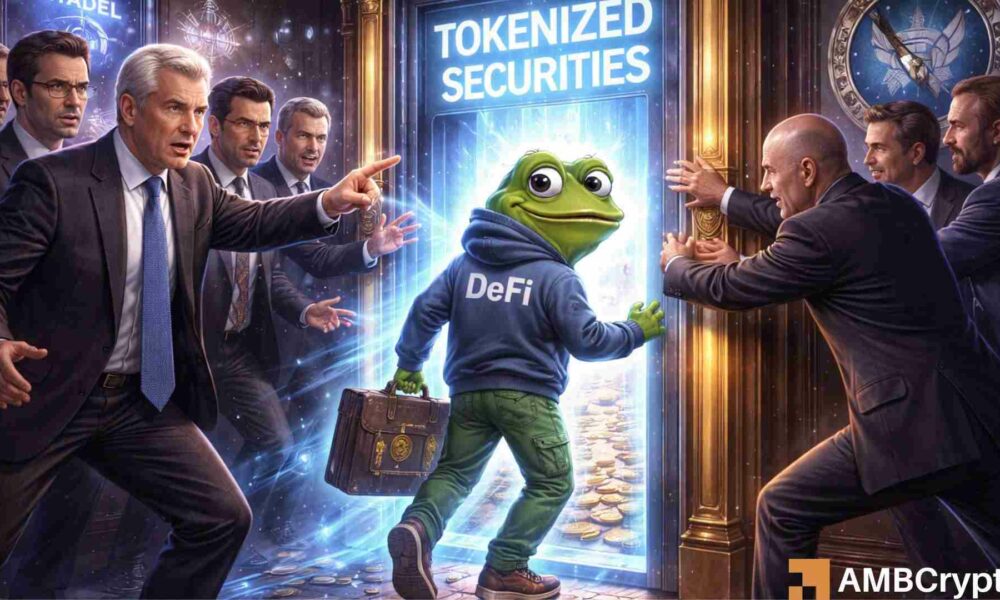
The financial sector is divided around these regulations. Wall Street institutions like Citadel and JPMorgan Chase have urged the SEC to strictly regulate DeFi platforms in the same way as traditional platforms. Their stance is aimed at preventing “broad exemptions,” which they argue could lead to market disruptions and reduce investor protections. They pointed to examples such as the October flash crash and the Stream Finance collapse to justify this position.
The DeFi Industry’s Position
Meanwhile, DeFi operators are advocating for regulatory exemptions, emphasizing their disintermediated structure as a reason for leniency. Many have criticized Citadel’s push for stricter regulations as “baseless and flawed.” The sector believes that a more flexible framework is essential for innovation and growth.
What Lies Ahead?
As discussions continue, stakeholders remain optimistic about developing a balanced framework. Notably, the introduction of the CLARITY Act may address these discrepancies in regulatory approaches. With tokenized securities gaining traction, January alone saw a 100% growth in holders, nearing 300,000 users, and the total traded value edging toward the $1 billion mark. It is clear that the future of DeFi and tokenized stocks depends on creating a framework that aligns innovation with legal compliance.
Why Regulatory Clarity Matters
With clear rules like these, the tokenized securities market could scale responsibly. A company such as Securitize, a well-known issuer of tokenized securities, has welcomed the SEC’s efforts, stating that regulatory frameworks are vital for fostering trust and growth within the sector.
The Bottom Line
The SEC’s reaffirmation of existing securities laws to cover tokenized stocks is a critical step in aligning the old and new financial systems. While it remains to be seen what compromises will be reached between DeFi advocates and traditional finance, one thing is certain: the blockchain-powered tokenization of assets is shaping the financial world’s future.



