Seagate’s AI-Driven Meteoric Rise: A Storage Infrastructure Deep Dive

Seagate Technology Holdings plc (NASDAQ: STX) has delivered a masterclass in market transformation, with its stock price rocketing to an all-time high of $554.21 on April 21, 2026. This represents a staggering 639% gain over the past year, fueled by a powerful 25% year-over-year revenue surge. The company reported preliminary third-quarter fiscal 2026 revenue of approximately $3.02 billion, handily surpassing analyst consensus estimates of $2.92 billion.
The primary catalyst is an unprecedented demand for mass-capacity hard disk drives (HDDs) from hyperscale cloud providers and enterprises building out AI infrastructure. Seagate’s management directly attributes the outperformance to “stronger than expected demand for its mass capacity storage products.” This isn’t a flash in the pan; it’s a structural shift. The global AI boom is creating a voracious appetite for data storage. Large Language Models (LLMs), generative AI training datasets, and real-time inference workloads require petabytes of readily accessible, high-performance storage—a market Seagate dominates with its high-density HDDs and nearline solutions.
Concurrently, Seagate executed a strategic divestiture, selling its Lyve Cloud storage-as-a-service business to Wasabi Technologies. While financial terms were not fully disclosed, this move allows Seagate to sharpen its focus on its core competency: manufacturing and selling high-margin hardware to the companies building the cloud, rather than competing with them in the services layer. This asset-light, focused approach is resonating powerfully with investors, who see a pure-play on the physical infrastructure underpinning the AI revolution.
Why This AI Storage Boom Directly Impacts Content Creators
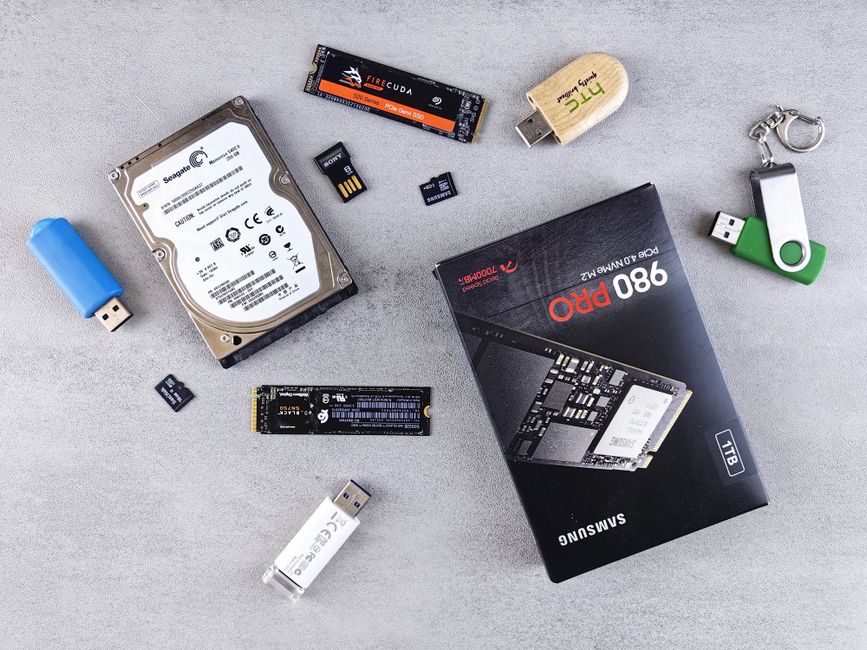
For AI content creators, strategists, and bloggers, Seagate’s success is more than a financial headline; it’s a critical signal about the underlying economics of the AI ecosystem you operate within. The skyrocketing demand for storage has three major implications:
1. The Cost of AI Model Development and Operation is Rising. The hardware that powers the AI tools you rely on—from ChatGPT and Claude to Midjourney and specialized SEO analysis platforms—is becoming more expensive to provision. The massive datasets used for training are stored on drives like those Seagate produces. As demand surges, pricing power shifts to component manufacturers, which may eventually trickle down to higher API costs or subscription fees for AI services. Content creators must factor potential cost inflation into their operational budgets.
2. Data is the New King, and Storage is its Throne. Seagate’s performance validates a core tenet of modern content strategy: proprietary data is a moat. Companies that own unique, large-scale datasets (for training custom models) or generate vast amounts of user interaction data are investing heavily in storage infrastructure. For content teams, this means the value of your first-party data—email lists, user behavior on your site, content performance metrics—is increasing. Systems to collect, store, and analyze this data are no longer optional; they’re a competitive necessity.
3. The Hardware Bottleneck Creates Software Opportunities. When underlying storage hardware is at a premium, efficiency becomes paramount. This drives innovation in software for data compression, deduplication, and tiered storage management. For AI content workflows, this translates to a growing market for tools that optimize how you store training data, media assets, and generated content. Platforms that offer intelligent asset management with efficient storage backends will gain an edge.
Practical Tips for AI Content Teams in a Data-Intensive Era

In light of this storage-driven AI boom, content creators and strategists must adapt their workflows and tooling. Here are actionable steps to stay efficient and cost-effective:
Audit and Optimize Your Digital Asset Library. Most content teams accumulate terabytes of unused images, old video files, and outdated drafts. Use tools like Adobe Bridge, Eagle, or even Cloudinary‘s DAM to audit assets. Implement a tiered storage strategy: keep active project assets on fast (potentially more expensive) storage, and archive older content to cheaper, nearline or cold storage solutions. Automate this process with rules-based workflows.
Choose AI Tools with Efficient Data Handling. When evaluating AI writing assistants, image generators, or SEO platforms, inquire about their data policies. Do they store all your prompts and outputs indefinitely by default? Can you configure auto-deletion rules? Opt for tools like Jasper, Copy.ai, or EasyAuthor.ai that offer robust data management settings, ensuring you’re not paying for—or risking—unnecessary data accumulation.
Leverage Vector Databases for Semantic Content. Moving beyond simple file storage, the next frontier is storing content as vectors (numerical representations) for AI retrieval. Tools like Pinecone, Weaviate, or Chroma DB allow you to store your blog’s knowledge base in a way that AI can search semantically. This is far more efficient for powering custom chatbots, content recommendation engines, and research assistants than storing raw text files, as it reduces the computational load during queries.
Implement a Content Lifecycle Automation Workflow. Use your CMS or a dedicated automation platform like Zapier or Make to manage content from creation to archival. For example: a WordPress post older than 24 months could be automatically updated with a “historical archive” notice, its images compressed via ShortPixel, and a record moved to a lower-cost storage tier. This reduces active storage costs and keeps your primary database performant.
Negotiate Cloud Storage Costs Proactively. If your content operation uses significant cloud storage (AWS S3, Google Cloud Storage, Azure Blob), review your access patterns. Move infrequently accessed media to Glacier or Archive storage classes. Use lifecycle policies to automate this. Consider a cloud-agnostic storage layer like Wasabi (now the owner of Lyve Cloud) which often offers predictable, lower costs without egress fees, ideal for serving high-volume website assets.
The Future of Content is Built on Intelligent Infrastructure

Seagate’s record-breaking performance is a definitive leading indicator. The AI revolution is entering a hardware-intensive phase where data storage capacity is a critical constraint and a major investment area. For content professionals, the lesson is clear: your strategy must now encompass not just what content you create, but how you manage the data that fuels its creation and distribution.
The winning playbook involves embracing efficiency—through tool selection, asset management, and workflow automation. By treating your content data as a strategic asset and managing its storage lifecycle intelligently, you can control costs, improve performance, and build a more resilient, scalable content engine. The companies that understand this infrastructure layer will be best positioned to leverage AI not as a mere content generator, but as a core, sustainable competitive advantage.
