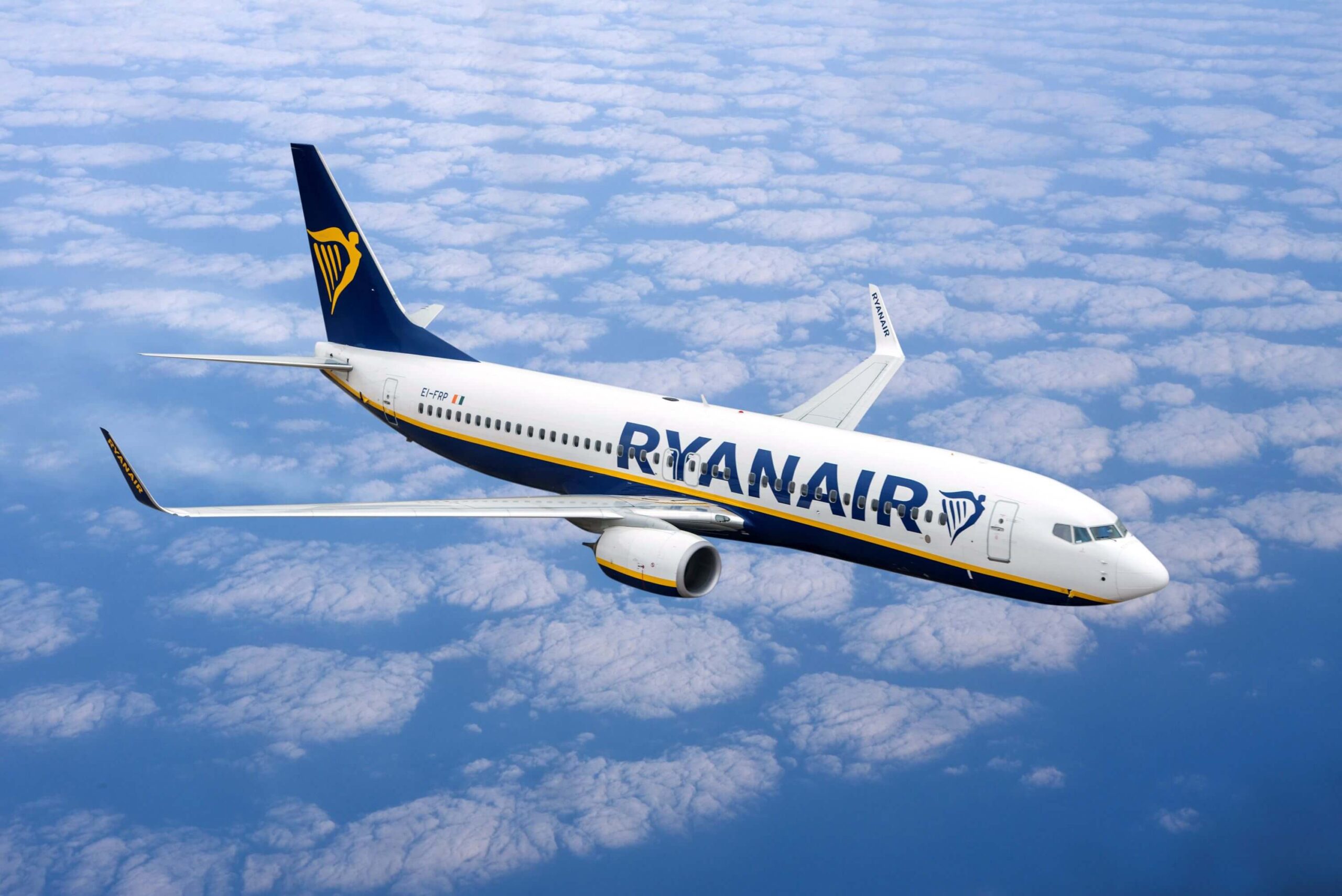
Ryanair, Europe’s leading low-cost airline, recently shared its Q3 results for FY26, which presented a mixed financial picture. While the company outperformed expectations in terms of revenue, earnings fell short of analyst predictions. Here are the highlights you need to know about Ryanair’s latest performance and its updated forecasts for the rest of the fiscal year.
Revenue Growth Surpasses Expectations
In Q3, Ryanair achieved quarterly revenue of $3.21 billion, exceeding forecasts by $30 million and reflecting an 8.4% year-over-year growth. Much of this growth came from scheduled revenue, which rose 10% to €2.10 billion. The airline also saw a notable increase in passenger traffic, transporting 47.5 million passengers during the quarter, up 6% compared to the previous year.
Passenger demand remained strong, with average fares climbing 4%. Ancillary revenue per passenger also added a modest 1%, solidifying Ryanair’s position as a key player in the budget travel segment. October school holidays and Christmas bookings were pivotal in supporting fare increases during this period.
Challenges in Earnings
Despite strong revenue performance, Ryanair’s earnings per share came in at $0.03, which fell $0.07 below analyst expectations. This was primarily due to provisions such as an €85 million expense related to a disputed Italian fine. Nonetheless, the airline’s Q3 net income stood at €115 million, showcasing resilience in profitability even amidst challenges.
Expanding Fleet and Raising Forecasts
Ryanair ended the calendar year operating 643 aircraft, with faster-than-anticipated Boeing aircraft deliveries aiding capacity expansion. The airline has updated its FY26 passenger forecast to 208 million from an earlier estimate of 207 million, reflecting the continued demand for affordable air travel.
The airline’s fare outlook for the fiscal year has also been revised. Management now expects full-year fare growth of 8-9%, higher than the earlier forecast of 7%, thanks to stronger-than-anticipated holiday bookings and recent booking trends.
Financial Strength and Hedging Strategies
Ryanair’s strong financial metrics continue to stand out. Operating margins hit 15.95%, while the EBITDA margin reached 26.35%. The company’s balance sheet remains robust, with a debt-to-equity ratio of 0.16 and an Altman Z-Score of 4.41, indicating excellent financial health. Additionally, Ryanair has hedged 80% of FY27 fuel costs at $67 per barrel, ensuring stability amidst fluctuating energy markets.
Investment Insights
With a market capitalization of $37.25 billion and a favorable P/E ratio of 12.89, Ryanair remains an attractive option for investors in the aviation industry. Analyst consensus advocates for a “buy” rating, with a target price of $76.18.
Upgrade Your Travel Experience
For those constantly on the move, investing in the right travel essentials can make your journey more comfortable. The Samsonite Winfield 3 DLX Hardside Luggage (available here) is a great option for frequent travelers, offering durability, smooth rolling wheels, and a spacious interior. Make your travels hassle-free as you fly with Ryanair’s economical fares.
Ryanair’s focus on expanding operations and maintaining cost efficiency ensures it stays at the forefront of the European budget travel market. With robust hedging strategies, expanding fleet capacity, and improved forecasts, the airline continues to be a strong player in the sector.