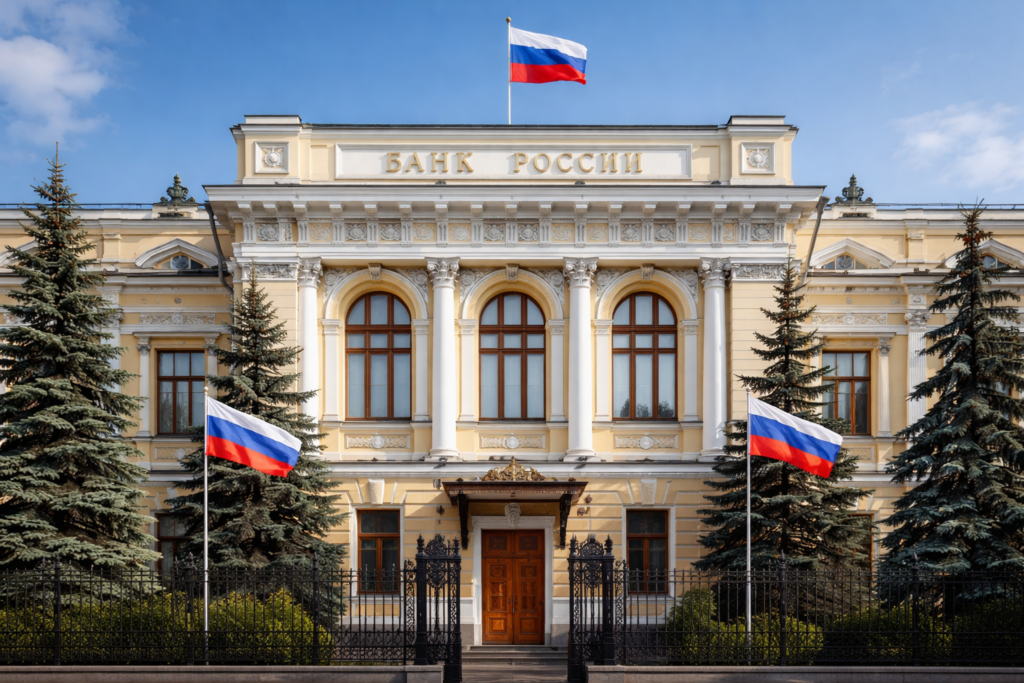
Russia’s Central Bank Opens Door to Regulated Cryptocurrency Access
In a surprising shift of policy, the Bank of Russia has proposed allowing controlled access to cryptocurrencies for investors under strict regulatory measures. This policy update, announced on December 23, marks a significant milestone in the country’s stance on digital assets, showing a partial acceptance where previously skepticism reigned.
Proposed Regulations for Qualified and Non-Qualified Investors
According to the proposal, both qualified and non-qualified investors would be allowed to invest in crypto—but with specific sets of rules for each category. While qualified investors would enjoy access to a broader pool of cryptocurrencies, non-qualified investors would be limited to certain liquid digital assets. Additionally, all investors would be required to pass a knowledge test before engaging in any cryptocurrency transactions.
Notably, the central bank has set an annual cap of 300,000 rubles ($3,843) for non-qualified investors when purchasing cryptocurrencies. Privacy coins, often criticized for their higher risk due to limited traceability, will likely remain inaccessible for all types of investors under these guidelines.
International Trading and Reporting Obligations
In a bid to attract foreign investments, the policy includes provisions for allowing cryptocurrency circulation and trading on public blockchain networks. It also paves the way for Russian residents to purchase cryptocurrencies via foreign exchanges, but only if the transactions are reported to the nation’s tax authorities. This ensures greater transparency while safeguarding against illicit financial activities.
Why Now? Evolving Policies Amid Economic Sanctions
The Bank of Russia’s evolving stance on crypto is largely driven by mounting economic sanctions that have put pressure on the national economy. Previously advocating a complete ban on cryptocurrencies, the central bank began reconsidering its approach to digital assets in recent years.
In October, Russia legalized the use of cryptocurrencies for foreign trade settlements, and commercial banks were permitted to conduct limited crypto activities. More recently, the country has leaned into its energy surplus to support cryptocurrency mining, treating it as a legitimate export opportunity.
Potential Risks and Final Considerations
Despite this shift, the Bank of Russia has reiterated that cryptocurrencies remain a high-risk instrument due to their volatility and potential ties to sanctions risks. The central bank emphasized that this is not an outright endorsement but rather a means of providing controlled, regulated access to protect investors while potentially fostering economic stability.
Related Product: Ledger Nano X Crypto Wallet
If you’re considering investing in cryptocurrencies, proper security is essential. The Ledger Nano X hardware wallet offers state-of-the-art technology to protect digital assets from unauthorized access. Its Bluetooth-enabled feature ensures convenience while maintaining top-notch security standards.