The U.S. Dollar at Breaking Point
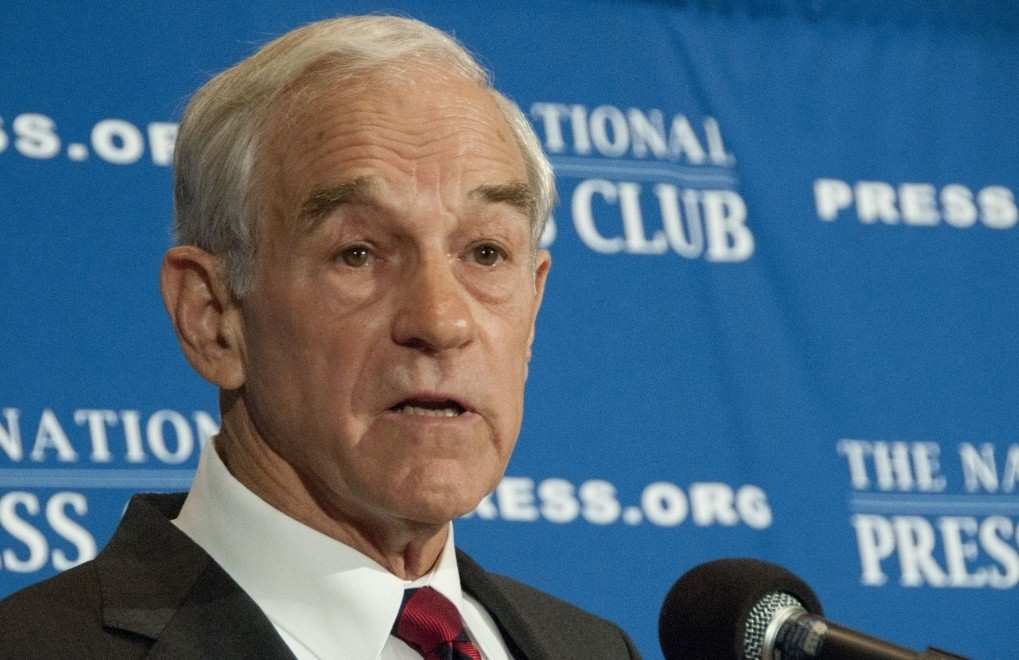
Former congressman Ron Paul has issued a stark warning about the state of the U.S. economy. According to Paul, the nation is approaching a critical financial breaking point, driven by skyrocketing national debt, the devaluation of the U.S. dollar, and worsening income inequality. In a recent interview with David Lin on January 28, Paul highlighted the gravity of the situation, suggesting the current fiscal crisis could culminate in a ‘big bankruptcy’ for the country.
Soaring Debt and Declining Credibility
The federal debt now stands at approximately $38 trillion, a figure that Paul describes as unprecedented in U.S. financial history. While prior fiscal crises were ultimately managed, he argues the scenario today is far more severe. The abuse of the dollar through inflationary policies and overreach in foreign policies, according to Paul, has led to a sharp decline in global trust in the currency and the broader U.S. economy.
“We have consumed the value of the dollar by abusing it. The foreign policy credibility of the U.S. is also fading as countries grow wary of our interventions,” said Paul during the interview.
The Dollar’s Troubling Future
Signs of financial stress are becoming increasingly evident. Among these, Paul points to rising gold prices, which indicate a growing distrust in fiat currencies. The price of gold, now exceeding $5,000 per ounce, serves as a critical signal that investors are fleeing traditional currencies in favor of tangible assets like precious metals. Paul also speculated that gold could eventually hit $20,000 per ounce in the case of a full collapse of the monetary system—though such an event would render nominal valuations obsolete.
The Hidden Tax of Inflation
Income inequality has become another pressing issue tied directly to currency devaluation and inflation. Middle and lower-income households are disproportionately affected as inflation erodes purchasing power. Paul referred to inflation as a ‘sinister tax’ that is more damaging to low and middle-income earners than income taxes. “Many don’t pay income taxes, but they shoulder a heavier burden through inflation, which reduces the value of money in their hands,” he added.
Monetary Policy and Economic Risks
Much of the current crisis stems from what Paul describes as reckless fiscal and monetary policies. Policymakers have normalized deficit spending and Federal Reserve interventions, which manipulate interest rates and incentivize larger-scale debt. These practices not only distort the market but also transfer the long-term financial burden to taxpayers.
The Larger Threat: Political Control
Beyond economic consequences, Paul warned of the political aftermath of financial chaos. Historically, financial crises often lead to heightened government interventions and reduced individual liberties. According to Paul, such trends are already evident in the growing social unrest witnessed in several U.S. cities.
Preparing Financially: Real Assets Over Fiat
For those looking to safeguard their financial health, diversifying with real assets like gold and silver may be worth considering. Products like the American Gold Eagle or silver bars are popular investments during periods of monetary instability. You can explore precious metal investments through APMEX, a trusted dealer specializing in gold, silver, and other real assets.
Conclusion
As the warning signs grow louder, Ron Paul’s message serves as a wake-up call. Whether it’s the surging national debt, volatile monetary policies, or rising income inequality, the risks to the U.S. dollar and broader economy cannot be overstated. Taking steps today, from financial diversification to educating oneself about these risks, can ensure greater stability in an increasingly uncertain future.