RLUSD Surges Amid Ripple’s Institutional Partnerships
The crypto market is abuzz as Ripple’s USD-backed stablecoin, RLUSD, reaches an all-time high, bolstered by strategic institutional alliances and regulatory milestones. Despite Ripple’s progress, however, its native token XRP seems to be left in the shadows. If you’ve been tracking the crypto world, this development may redefine your perspective on stablecoins and their future applications.
Breaking Down RLUSD’s Market Success
With a market capitalization exceeding $1.38 billion, RLUSD is one of the fastest-growing digital assets in the market. According to data from DefiLlama, $125 million was added to its market cap in just the past few months. The key driver behind this explosive growth is Ripple’s latest partnership with LMAX Group, a prominent global cross-asset marketplace for digital and traditional assets.
The collaboration integrates RLUSD as a core collateral asset across LMAX’s infrastructure, enabling banks, brokers, and institutions to leverage RLUSD for cross-collateralization in crypto, spot trading, and perpetual futures. This strategic move enhances liquidity and enables institutional advantages not typically available with traditional fiat currencies.
Why RLUSD Matters
David Mercer, CEO of LMAX Group, emphasized the critical role of partnerships in driving stablecoin adoption. “With greater US and global regulatory clarity, fiat-backed stablecoins like RLUSD will be crucial in bridging traditional finance (TradFi) with digital asset markets,” said Mercer.
Ripple has also committed $150 million to LMAX to fortify its cross-asset growth strategy, benefiting institutional clients by increasing liquidity, secure wallet custody, and 24/7 trading access. Quick adoption by global firms such as DBS and SBI Holdings further cements RLUSD’s role as a trusted collateral and settlement asset.
The Challenge for XRP
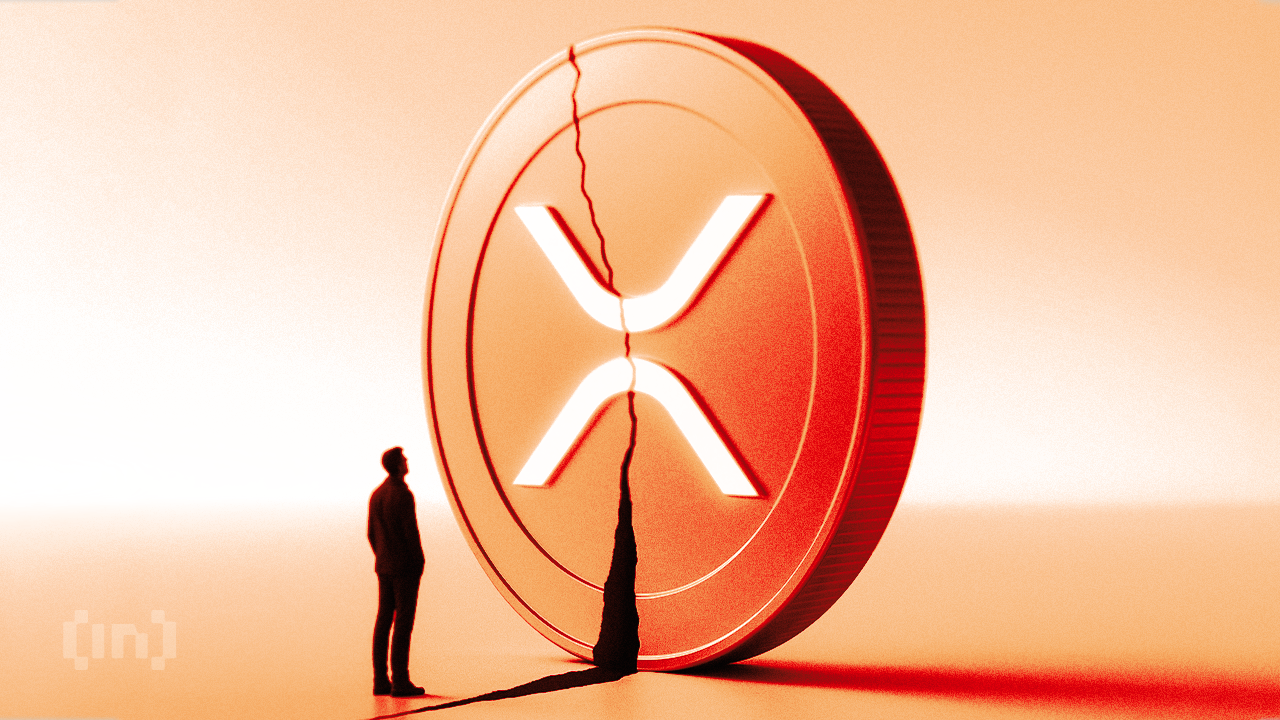
Ironically, despite RLUSD’s success, its operational reliance on Ethereum poses challenges for Ripple’s native token XRP. Approximately 76% of RLUSD operates on Ethereum rather than the XRP Ledger (XRPL). This limits XRP’s utility, as RLUSD transactions on Ethereum do not contribute toward XRP burns or involve the token’s broader use case.
This situation has raised concerns within the Ripple and crypto communities, with some XRP holders questioning the long-term benefits of Ripple’s innovations for the native token. XRP was trading at $2.08 as of this writing, reflecting a decline of over 1% in the past 24 hours.
Strengthening RLUSD with Regulatory Approvals
Ripple’s global compliance efforts continue to drive RLUSD’s legitimacy. With the Abu Dhabi Financial Services Regulatory Authority (FSRA) and preliminary European EMI approval in Luxembourg, RLUSD is set to expand within institutional and mainstream environments. Currently holding over 75 regulatory licenses globally, Ripple is leading the charge toward stablecoin credibility on an international scale.
How You Can Stay Ahead
If you’re navigating the world of crypto and stablecoins, RLUSD’s rise offers a unique opportunity. Take a closer look at Ripple’s partnerships and how they impact the global market. For investors, this trend signals a growing interest in fiat-backed stablecoins as reliable, low-risk assets for trading and collateralization.
Want to dive deeper into other trading possibilities? Check out this beginner’s guide to stablecoin trading on Amazon. It’s an excellent resource for understanding cryptocurrencies and their evolving role in both personal and institutional finance.
Final Thoughts
As RLUSD paves the way for institutional adoption, Ripple continues to forge ahead as a trailblazer in stablecoin innovation. While XRP slowly finds its footing amidst growing competition, RLUSD’s accomplishments prove a defining moment for the crypto ecosystem’s intersection with traditional finance.
Stay tuned for more updates and insights into the future of stablecoins, crypto, and blockchain developments.