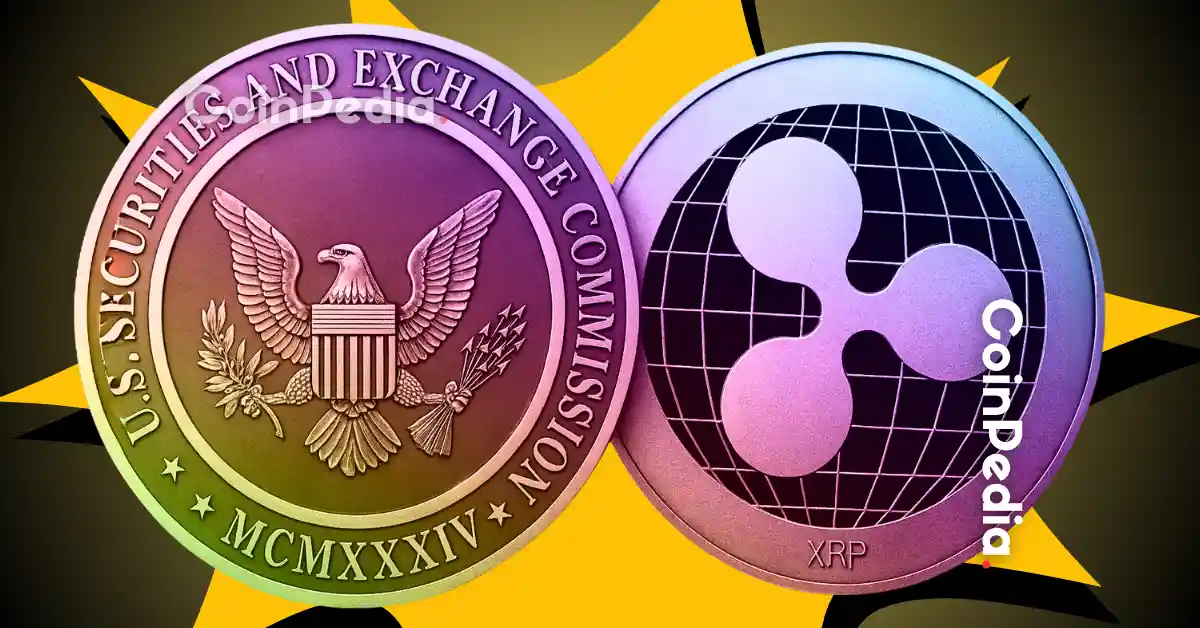
Ripple Advocates for Clearer, Rights-Based Crypto Regulations
Ripple, a leading blockchain-based company, has made significant strides in its engagement with regulators by submitting a comprehensive letter to the U.S. Securities and Exchange Commission’s (SEC) Crypto Task Force. Dated January 9, 2026, the letter underscores the urgent need for more practical and well-defined regulations for the cryptocurrency industry.
Current Challenges in Crypto Regulation
The letter points out that current regulatory frameworks are riddled with ambiguity. According to Ripple, there is a critical need to distinguish between a cryptocurrency asset and the context of its initial sale. The company insists that rules should focus on legal rights and enforceable obligations rather than vague or fluctuating concepts. Terms like “decentralization” are dismissed as unreliable regulatory standards due to their subjective nature.
Decentralization and Its Impact on Oversight
Ripple further argues that “decentralization” as a metric creates two primary risks: first, allowing high-risk digital assets to evade necessary scrutiny, and second, misclassifying mature cryptocurrencies under securities law long after their utility has shifted. A smarter approach, the company recommends, is to focus on whether enforceable promises are linked to the asset in question.
What Should Define a Security?
Ripple critiques the longstanding Howey Test, which focuses on investors’ expectations of profit from the “efforts of others.” The company emphasizes that securities laws should regulate promises rather than speculative optimism. In Ripple’s view, if no enforceable promise exists, buying a digital asset should be considered a market risk rather than a securities transaction.
A Focus on Secondary Market Trading
One of the letter’s major themes is the application of securities law to secondary markets. Ripple contends that once a crypto asset starts trading freely on exchanges without a direct buyer-issuer relationship, it should no longer be regarded as a security. The market dynamics of cryptocurrencies, akin to commodities like gold or silver, should determine their regulatory treatment rather than arbitrary legal definitions.
The Importance of Privity
Ripple highlights the concept of privity, which refers to the direct relationship between the buyer and issuer of an asset. While securities laws may have merit during the primary sales of tokens or ICOs, they become irrelevant in decentralized, mature markets. Treating every tertiary trading event as a capital raise, Ripple warns, could stifle innovation and harm the cryptocurrency ecosystem.
Balancing Regulation with Growth
Acknowledging the need for oversight in cases of significant issuer control, such as the ability to reverse transactions or alter protocols, Ripple advocates for strict yet objective criteria to define control. Participating in token governance or holding tokens alone, the company argues, should not count as undue influence warranting securities treatment.
Final Thoughts
Ripple’s call for clear, rights-based regulations highlights the need for balance between investor protection and market innovation. Such regulations could foster a more reliable and thriving crypto marketplace in the U.S., while protecting stakeholders from unnecessary legal and financial risks.
Stay Updated with the Latest in Blockchain
For cryptocurrency enthusiasts looking to keep their portfolios secure and current, tools like the Ledger Nano X can enhance digital asset safety. This hardware wallet offers advanced security features and is ideal for managing diverse crypto holdings.