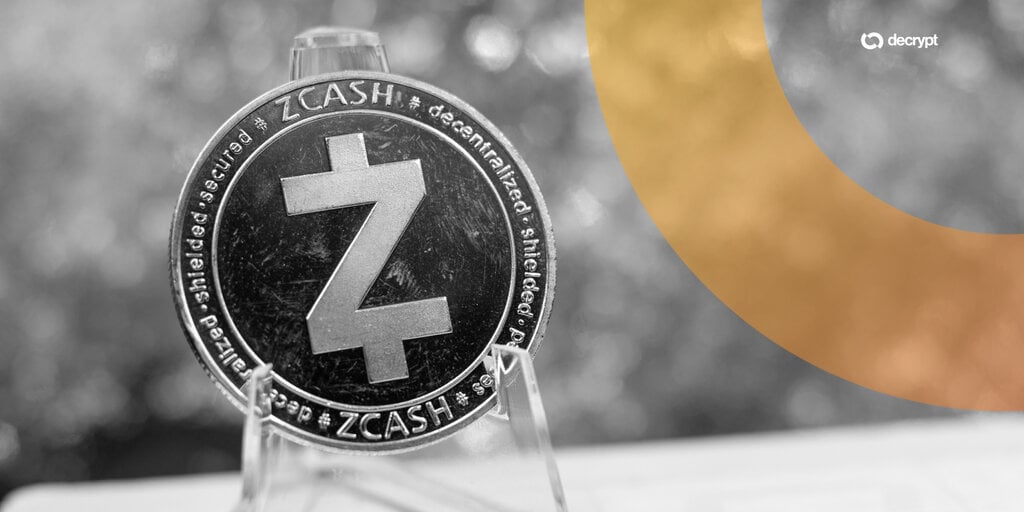
In a significant turn of events, privacy coins such as ZCash, Monero, and Dash have seen notable declines, aligning with the overall downturn in the cryptocurrency market. Once hailed as safe-haven assets by privacy advocates, these coins are now facing increasing challenges. Let’s delve into why these digital assets are losing steam and analyze the evolving factors behind their downfall.
The Decline of Privacy Coins
Recent data from CoinGecko highlights a striking dip in the market. ZCash fell by 8.5% over a 24-hour span, Monero dropped by 5.4%, and Dash slid by 3.9%, reflecting a collective 15.4% decline in the privacy coin sector. Once touted for their resilience, privacy coins now seem to be following the movement of broader cryptocurrency market trends.
According to Slava Demchuk, CEO of AMLBot, coins like ZCash and Dash are no longer viewed as safe-haven instruments. Instead, they trade like speculative assets, tethered to Bitcoin cycles rather than offering intrinsic utility. “They are more aligned to macroeconomic forces now than ever before,” Demchuk notes.
What’s Driving the Pullback?
The decline of privacy coins can be attributed to three main drivers commonly influencing their rally or fall:
- Technological Advancements: While cryptographic privacy technology has seen progressive innovation, adoption of these tools has not kept pace. Many transactions remain transparent, undermining the narrative of true privacy.
- Regulatory and Political Pressure: European Union regulations, such as the controversial EU ‘chat control’ proposal and bans on anonymous accounts, have recently redirected interest toward transparent ledger solutions over strictly private coins.
- Real-World Risks: Privacy coins appeal to those requiring anonymity, especially in regions where transparent ledgers pose economic risks. However, this demand has not been sufficient to sustain consistent growth in these assets.
The Impact of Industry-Wide Trends
Experts suggest that privacy coins are behaving increasingly like typical high-beta altcoins. Jamie Elkaleh, CMO at Bitget Wallet, explains that changes like the introduction of cryptocurrency ETFs have reoriented market dynamics. Assets influenced by monetary policy shifts and ETF inflows now dictate capital allocation, leaving privacy coins vulnerable to broader market volatility.
Elkaleh adds, “As risk appetite declines across markets, liquidity consolidation around Bitcoin and top-tier assets leaves privacy coins struggling to maintain upward momentum.” Despite their technological promise, privacy assets appear unable to break from these macroeconomic dependencies.
A Glimmer of Hope for Privacy Assets?
Even amidst their struggle, some experts believe privacy coins can stage a recovery. Historically, these assets have rebounded during periods of renewed market optimism when risk appetite increases. “Once Bitcoin stabilizes and liquidity flows into higher-beta sectors, privacy coins are likely to regain some ground,” Demchuk suggests.
Moreover, advocates argue that demand for privacy-centric solutions could surge again, especially as governments deploy stringent monitoring policies. For example, some have pointed to the ongoing debates around Ethereum co-founder Vitalik Buterin’s concerns over ZCash’s governance, emphasizing the balancing act between decentralization and security.
Are Privacy Coins Still Relevant?
While their current performance may raise doubts, privacy coins remain a crucial tool for those prioritizing anonymity. Products like Monero’s blockchain wallet continue to offer enhanced privacy features, catering to users in regions where financial transparency can lead to significant risks. Cake Wallet, a secure wallet for Monero transactions, is an example of a product dedicated to protecting user privacy.
Ultimately, the future of privacy coins will depend on their ability to adapt to market dynamics, navigate regulatory challenges, and respond to their users’ evolving privacy needs. For now, privacy coins like ZCash, Monero, and Dash are at a crossroads, tied closely to Bitcoin’s fortunes but still capable of driving innovation in the broader cryptocurrency landscape.