Bubblemaps Challenges Insider Trading Allegations
The world of blockchain and cryptocurrency is no stranger to controversy, but recent allegations involving the insider trading of Polymarket bets have stirred significant debate. Blockchain analytics platform Bubblemaps has firmly denied any speculation linking a Polymarket trader to Steven Charles Witkoff, a co-founder of World Liberty Financial (WLFI).
Unpacking the Allegations
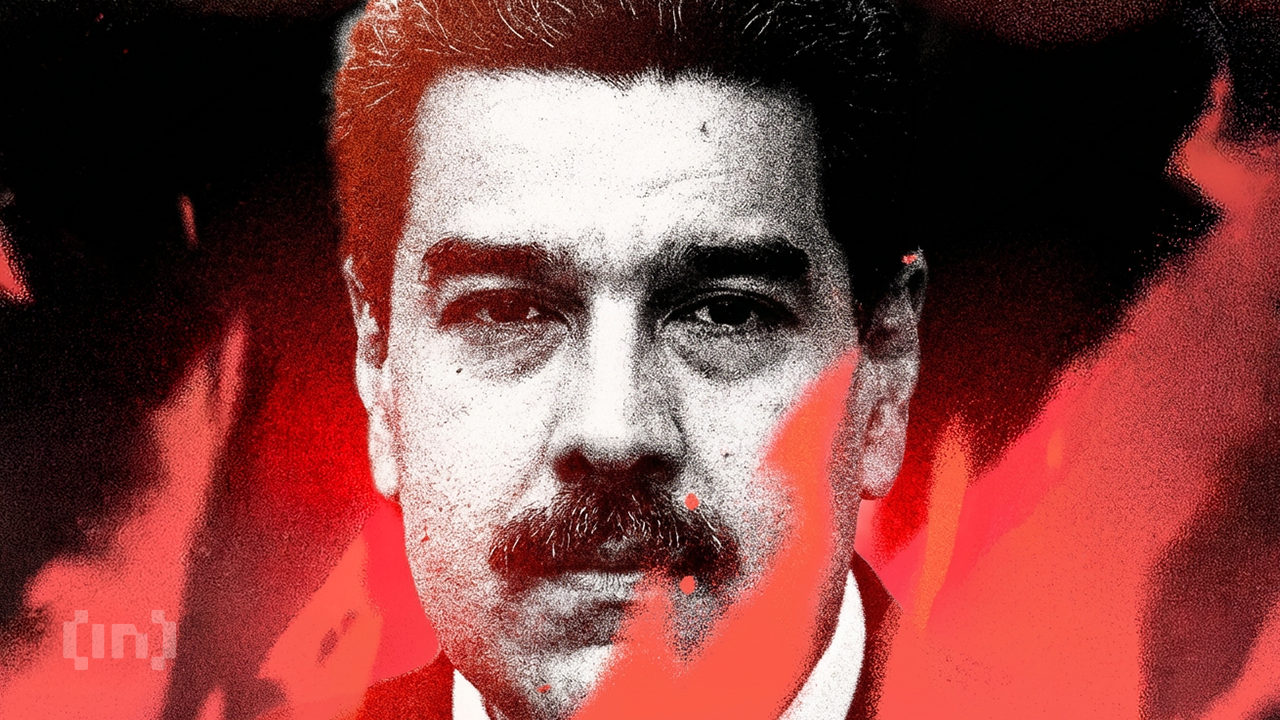
On January 3, the arrest of Venezuelan President Nicolás Maduro by U.S. authorities sparked activity within crypto trading communities. Blockchain firm Lookonchain identified three key wallets on Polymarket that placed sizeable bets on Maduro’s ousting. These wallets reportedly earned high returns, including one that allegedly turned a $32,000 investment into $400,000. Critics immediately pointed to suspicious timing, as the wallets were funded just hours before the public announcement.
Enter blockchain analyst Andrew 10 GWEI, who conducted an extensive review. He highlighted unusual funding paths for specific wallets, including transactions linked to accounts resembling “Steven Charles.” This discovery raised further questions regarding possible ties to WLFI and insider knowledge.
Bubblemaps Pushes Back on Claims
Bubblemaps was quick to dismiss these allegations, categorizing the analysis as speculative and lacking substance. The platform argued that relying on mere coincidences, such as SNS wallet names or timing of transactions, was insufficient to establish proof. Additionally, Bubblemaps emphasized that the one-day gap between wallet transfers and Polymarket bets was not a significant red flag, nor was the focus predominantly on SOL transactions.
They further noted that the “99% match” referenced by Andrew was misleading, with thousands of other wallets potentially displaying similar activity patterns. In Bubblemaps’ view, this narrative was closer to clickbait than investigative accuracy.
Inside the Analyst’s Perspective
Andrew 10 GWEI clarified his position through a detailed follow-up post. He acknowledged that his analysis was built on circumstantial evidence and did not amount to a direct accusation. “This is closer to speculation than proof,” Andrew explained, citing multiple coincidences that led to the conclusions regarding WLFI’s co-founder.
Nonetheless, Andrew stood by the plausibility of his hypothesis, stating that elements like wallet naming conventions, funding patterns, and transfer details could warrant higher scrutiny. These factors, he said, merited further investigation—a task only Coinbase could definitively confirm via KYC data.
Despite both sides’ debates, the incident highlights growing concerns of transparency and accountability within decentralized platforms. As blockchain becomes increasingly integral to global financial systems, the need for robust regulatory mechanisms rises exponentially.
Keep Your Cryptocurrency Safe
If you’re navigating the crypto market and want to store your assets securely, consider investing in a reliable hardware wallet. The Ledger Nano X is a popular choice for protecting cryptocurrencies like Bitcoin, Ethereum, and Solana. Its advanced security features ensure your private keys are kept offline, safeguarding your funds from cyber threats.
Why This Matters
The Polymarket controversy underscores the importance of clarity in digital trading spaces. Users and investors should remain vigilant, conduct thorough research, and utilize blockchain analytics to monitor asset movements. Such practices can help protect against potential fraud or insider trading risks while contributing to a healthier crypto ecosystem.