Unpacking Polygon’s POL Tokenomics: What You Need to Know
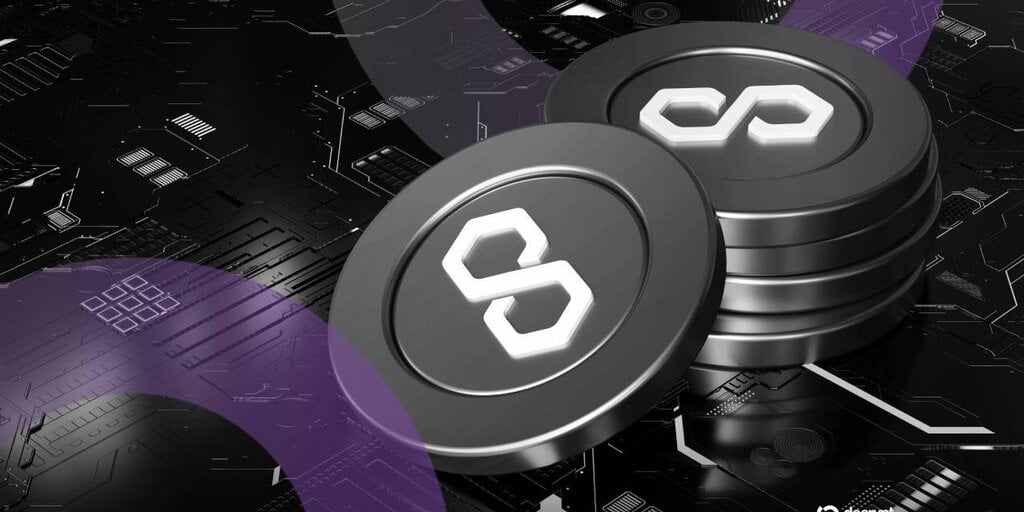
The CEO of the Polygon Foundation recently delved into the mechanisms powering Polygon’s native token, POL, highlighting its deflationary model and the opportunities it offers for holders. With blockchain technology reshaping financial ecosystems, POL emerges as a token with robust fundamentals driven by utility and growth potential.
Why POL Is Set to Lead the Crypto Industry
Polygon Foundation CEO Sandeep Nailwal explained in a recent post that the POL token benefits directly from the success of the Polygon network and its ecosystem. In Nailwal’s words, “If the Polygon Chain and Agglayer succeed, then POL holders benefit. Full stop.” This statement sets the tone for the strategic design behind POL’s tokenomics.
The token implements a deflationary model, with 100% of base transaction fees on the Polygon chain being burned, reducing the total supply over time. On a single day, the network saw a burn of three million POL tokens. Averaging 1.5 million POL burned daily translates to an annual supply deflation of approximately 5%—positioning POL as one of the most deflationary tokens in the blockchain space.
How Holders Benefit: Staking Rewards and Transaction Fees
The three primary streams of benefits for POL holders include:
- Transaction Fees: A share of network fees accrued via transaction activity across the Polygon ecosystem.
- Staking Rewards: Stakers earn rewards derived from network usage, further incentivizing participation.
- Interoperability Fees: With Polygon’s Agglayer growth strategy, POL holders will also gain from interoperability fee structures in the future.
These mechanisms not only enhance the utility of POL but also create long-term value for stakeholders, ensuring tokenomics are tied directly to the network’s growth.
Open Money Stack: A Vision for the Future
Another significant initiative unveiled by Polygon is the “Open Money Stack.” This framework seeks to integrate blockchain rails with real-world financial systems through stablecoin interoperability, compliance tools, and fiat on/off-ramps. Targeting the multi-trillion-dollar global money movement market, this innovation positions Polygon as a pioneer in enabling seamless, global blockchain-based payments.
Marc Boiron, CEO of Polygon Labs, emphasized the stack’s potential, claiming it could move “all money onchain.” Analysts have hailed this as a transformative move that could significantly drive mainstream adoption of blockchain technology.
The Investor Perspective
Despite short-term market volatility with POL’s price dropping by 6.7%, analysts remain optimistic about its long-term trajectory. With a projected price oscillation in the $0.15–0.25 range, the token offers an accumulation zone for investors looking to leverage Polygon’s ecosystem expansion.
Ryan Lee, Chief Analyst at Bitget, stated, “Enhanced utility, burns, and staking mechanisms strengthen POL’s fundamentals, supporting sustained growth for the industry.” Furthermore, this enhanced tokenomics positions POL as a crucial player in the blockchain space.
Where to Learn More
To explore Polygon’s products and its POL token, you can visit Polygon’s official website. If you’re looking to dive into the network and benefit from staking POL, platforms like Bitget offer a wide range of tools for trading and staking the token securely.
Conclusion: A Bright Future for POL
As the blockchain industry continues to mature, tokens like POL set the stage for a more deflationary future, rewarding participation and fueling ecosystem growth. With initiatives like the Open Money Stack and an ever-growing ecosystem, POL is a token to watch.