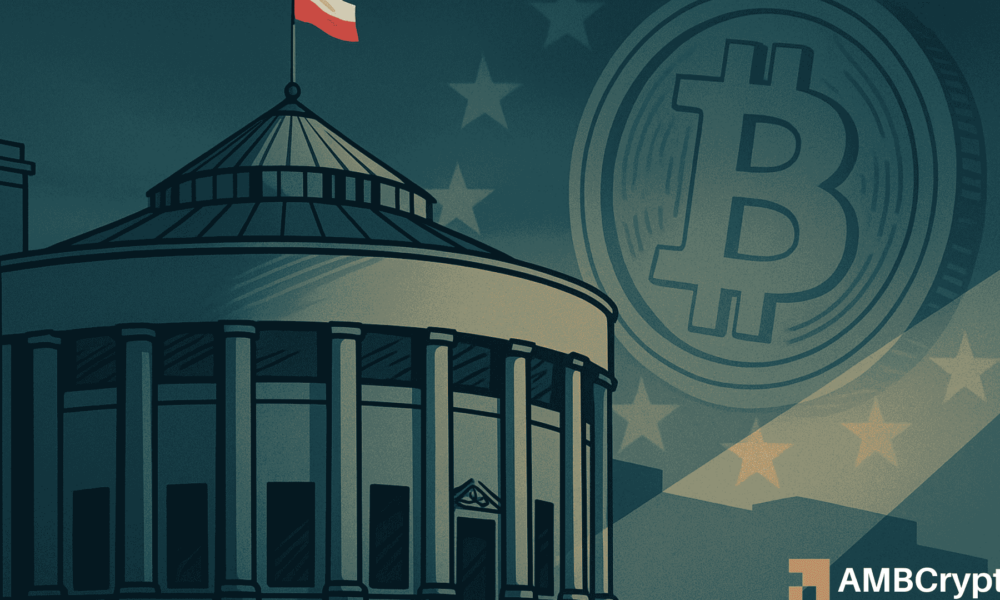
Poland Rejects New Cryptocurrency Oversight Bill
Poland recently made headlines by halting the progress of proposed cryptocurrency regulations, further widening the divide between itself and Europe’s Markets in Crypto-Assets Regulation (MiCA). The bill, which was vetoed by President Karol Nawrocki, aimed to introduce stricter oversight of the cryptocurrency sector, positioning Poland as a leader in financial monitoring.
Failed Attempts to Override the President’s Veto
On December 5, 2023, the Polish parliament failed to secure a three-fifths majority to overturn the veto, with the proposed measures falling short of approval. Prime Minister Donald Tusk had warned legislators about the national security risks tied to digital assets, highlighting how foreign intelligence networks could exploit the relatively unregulated crypto market. However, opposition groups deemed the bill overly restrictive, suggesting it risked driving crypto businesses out of Poland entirely.
The MiCA Context: Diverging Paths for Poland and the EU
The shelved bill aimed to align Poland with the European Union’s MiCA framework, which promotes unified cryptocurrency regulations across member states. Its provisions included granting the financial regulator powers to directly oversee crypto service providers and imposing criminal penalties for unlicensed services. However, critics argued that its implementation overstepped the measures other European countries have adopted, potentially isolating Poland in the expanding digital asset economy.
Meanwhile, contrasting approaches from neighboring Italy demonstrate Europe’s regulatory diversity. Italy recently initiated an in-depth review of its cryptocurrency market to safeguard retail investors and address cross-border risks. With Poland stepping back from stricter enforcement, it now lags behind its European counterparts in shaping a forward-thinking approach to crypto regulation.
National Security Implications
Poland’s concerns about digital assets are rooted in reports linking cryptocurrencies to alleged Russian sabotage operations — claims Russia denies. These accusations underline the geopolitical tensions influencing the regulatory debate. While many nations see digital assets as a financial opportunity, Poland’s concerns about national security make the issue even more complex.
A Look Across the Atlantic
The regulatory stalemate in Poland stands in stark contrast to recent developments in the United States. There, lawmakers are progressing with clearer rules for the digital asset market, illustrated by the passage of bills like the GENIUS Act and the approval of Bitcoin and Ethereum ETFs. This shift represents a strategy of fostering transparency rather than imposing stringent regulations, providing a possible model for other countries grappling with crypto policy.
Uncertain Future for Poland’s Crypto Sector
With no comprehensive legal framework in place, Polish crypto businesses face significant uncertainty. President Nawrocki has called on the government to draft an updated bill that appeals to both sides of the political spectrum. Until such legislation is introduced, the country faces the risk of losing its competitiveness in the rapidly evolving digital asset market.
A Recommendation for Crypto Enthusiasts
While the Polish crypto landscape remains in flux, many investment tools and platforms offer secure ways to trade digital assets. For example, products such as the Ledger Nano X, a highly-rated cryptocurrency hardware wallet, provide users with unparalleled security for their digital assets. As regulations evolve, ensuring asset safety remains paramount.
Poland’s decision not only impacts its position on the global stage but also serves as a reminder of the broader challenges nations face as they navigate the dynamic and often controversial world of cryptocurrency.