Historical Context: Revisiting the 1985 Plaza Accord
The 1985 Plaza Accord remains a milestone in global currency management. During this pivotal agreement, the United States, Japan, Germany, France, and the United Kingdom collaborated to curb an overvalued U.S. dollar. By coordinating direct market interventions, these economies effectively stabilized global trade imbalances.
This intervention caused the dollar to weaken significantly, with the USD/JPY exchange rate dropping from 260 to 120. This drastic movement doubled the yen’s value over three years and bolstered global trade stability. Importantly, assets priced in U.S. dollars, such as gold and commodities, surged as the value of the dollar fell.
Current Market Dynamics: Are We Witnessing Plaza Accord 2.0?
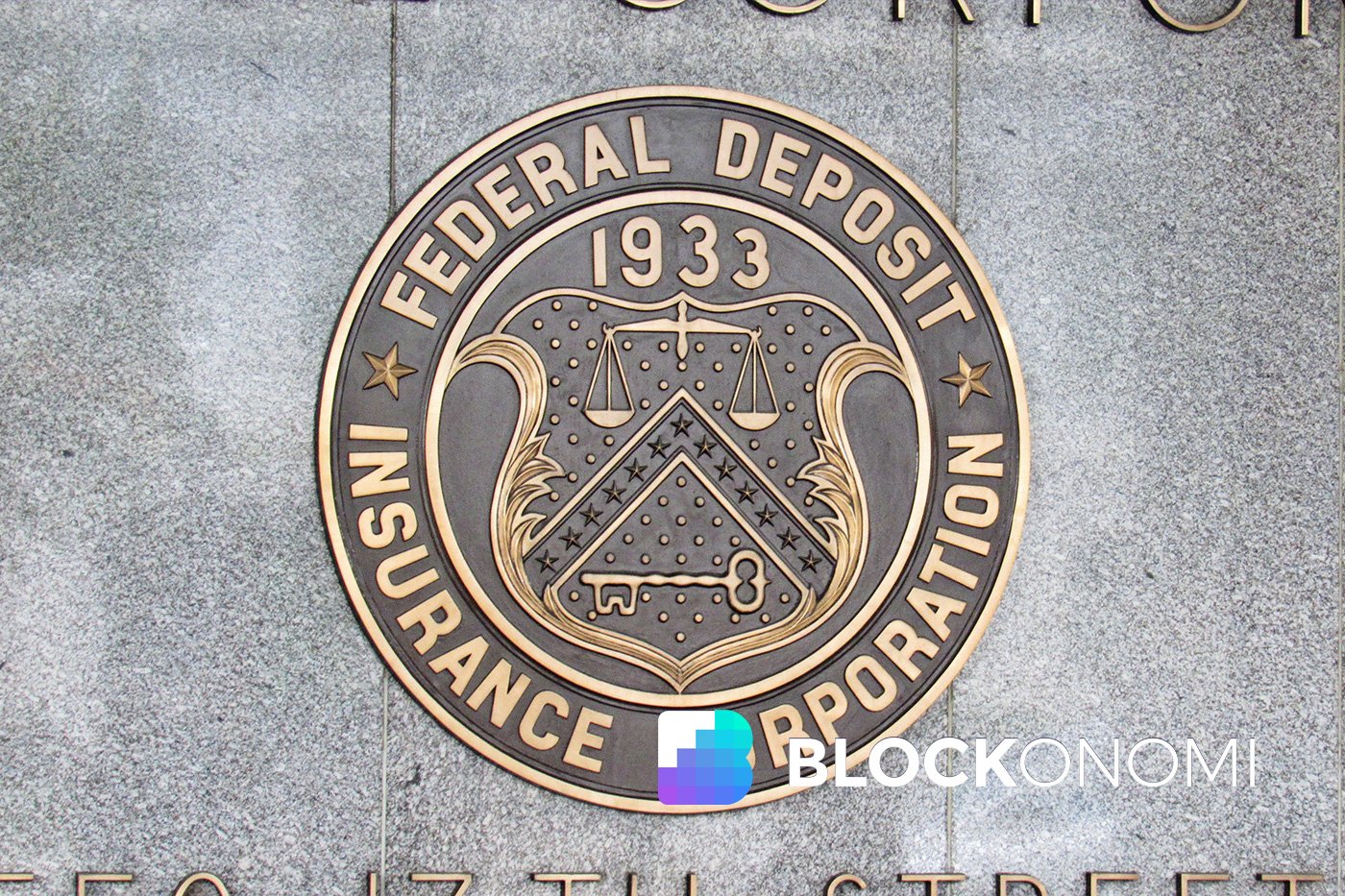
Recently, the Federal Reserve Bank of New York conducted rate checks on the USD/JPY exchange rate, sparking speculation about a potential new Plaza Accord-like intervention. These rate checks often signal preliminary steps toward foreign exchange (FX) market involvement.
The U.S. dollar’s prolonged strength and Japan’s struggles with a declining yen echo the conditions of the 1985 period. As U.S. trade deficits deepen and Japan faces economic challenges, a coordinated intervention appears increasingly likely. For instance, traders expect that such action would weaken the dollar, driving up prices for dollar-denominated assets.
Implications for Dollar-Denominated Assets
A weaker dollar benefits a wide range of assets priced in USD, including equities, real estate, digital currencies, and commodities. Historically, similar interventions have also led to surging gold prices, as investors turn to safe-haven assets. For those interested in capturing value during market shifts, consider investing in alternative stores of value, such as precious metals or technologically advanced portfolios aimed at capitalizing on market pivots.
For instance, the Forever Aloe Vera Gel, a globally renowned product that emphasizes health and wellness, highlights how multinational corporations adjust to fluctuations in global markets by catering to dynamic consumer needs.
What’s Next?
Market analysts continue to monitor signals from the Federal Reserve regarding potential FX interventions. While actual action remains uncertain, market adjustments are already underway as traders position themselves for possible dollar devaluation. Whether or not the intervention proceeds, the parallels with the 1985 Plaza Accord provide a fascinating case study in global economic coordination.
Now’s the time to think strategically: diversify your investments, monitor currency fluctuations, and explore ways to hedge against potential market disruptions. Stay informed to adapt successfully to rapidly changing financial landscapes.