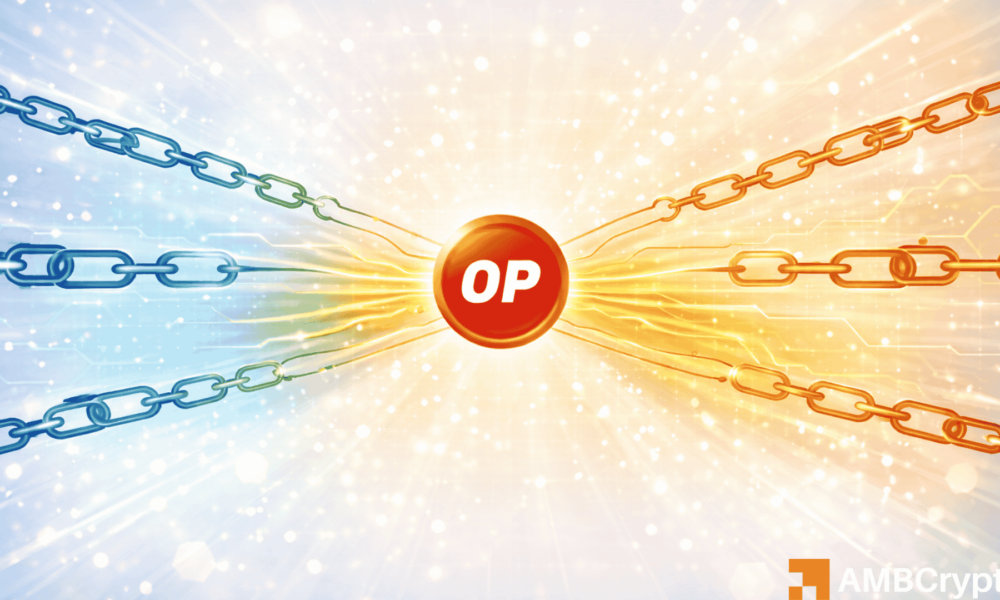
The world of cryptocurrency is witnessing a potential game-changer with Optimism’s newly proposed OP token buyback program. Designed to anchor demand for the OP token in network activity, this bold move seeks to strengthen tokenomics and reshape how Layer-2 (L2) tokens generate and maintain value.
What is Optimism’s Buyback Proposal?
Optimism Foundation has laid out a plan to allocate 50% of Superchain sequencer revenue to monthly OP token buybacks. This initiative is set to run for 12 months, starting February, contingent on a governance vote scheduled for January 22. Through this plan, Optimism aims to establish a more direct connection between OP demand and broader Superchain activity.
The Superchain ecosystem includes key OP Stack chains, such as Base, Unichain, World Chain, and OP Mainnet. Optimism plans to convert half of the revenue generated by these chains into OP via an OTC provider, storing the purchased tokens in the Collective Treasury. The remaining revenue, held in ETH, would be actively managed under specific parameters, with decisions made under the community’s governance oversight.
Why This Matters for Layer-2 Tokens
Most L2 tokens currently rely on incentives or governance rights, which often fail to create a sustainable value mechanism connected to network growth. Optimism’s proposal is a pioneering test of whether routing revenue back into the system through token buybacks fosters stronger alignment between token demand and usage.
Data from DefiLlama reveals an annual Superchain revenue collection of 5,868 ETH for Optimism. Had the proposed buyback allocation been active, approximately $8 million in OP tokens would have been secured at prevailing market prices. This approach capitalizes on aggregate Superchain revenue, emphasizing network scalability over individual chain performance.
Will This Impact OP Token’s Market Value?
Despite its bold nature, the proposal hasn’t yet driven significant price changes for OP, which is currently trading at $0.32 after a 3% 24-hour growth. The mechanics of the program intend for revenue-driven, measured buybacks rather than reactionary market manipulation.
The program’s design reflects a strategic governance-led approach, prioritizing sustainability over short-term effects. The outcome of the January 22 vote will determine whether this experiment gains traction.
What This Means for Crypto Investors
If successful, this initiative could redefine how Layer-2 tokens capture value in a low-fee environment, setting the stage for broader adoption across the decentralized finance (DeFi) sector. For investors, this could symbolize a shift toward tokens with sustainable economic frameworks tied to actual network performance.
For those interested in exploring DeFi opportunities tied to Optimism’s framework, consider tracking essential tools like the Ledger Nano X hardware wallet for safe storage of cryptocurrencies or software wallets offering integrated Superchain functionalities. Both options secure your assets while keeping you prepared for emerging opportunities in the Optimism ecosystem.
What’s Next?
The 12-month buyback program is a pilot phase that will undergo reassessment upon completion. Should the buyback mechanism fail to achieve the intended economic alignment, Optimism may iterate its approach or explore alternative solutions.
For Layer-2 ecosystems at large, Optimism’s progress will serve as a litmus test. Other L2 protocols will closely observe whether aggregating sequencer revenue can create token value in a way that doesn’t compromise decentralization. Meanwhile, broader adoption of such models could elevate the DeFi landscape to new heights.