Nvidia RTX Spark Chip: How AI Hardware Acceleration Will Transform Content Creation
Nvidia officially unveiled its RTX “Spark” chip on June 1, 2026, according to a Blockonomi report. The system-on-chip (SoC) combines Arm-based CPU cores with Nvidia’s Blackwell GPU architecture specifically for premium Windows AI laptops. This move directly challenges Intel’s Core Ultra, AMD’s Ryzen AI, and Qualcomm’s Snapdragon X Elite in the burgeoning AI PC market. For AI content creators, this hardware arms race signals a fundamental shift: AI processing power is moving from the cloud directly into consumer devices, enabling faster, more private, and more affordable content generation workflows.
The RTX Spark represents Nvidia’s first major foray into the Windows PC processor market. By integrating its industry-leading GPU technology with efficient Arm CPU cores, Nvidia aims to capture the high-end segment where on-device AI tasks like stable diffusion image generation, large language model (LLM) inference, and real-time video enhancement are becoming critical selling points. This development accelerates the trend toward “AI-native” hardware, where chips are designed from the ground up to run AI models efficiently, rather than adapting general-purpose processors.
The Technical Architecture of Nvidia’s AI-First Chip
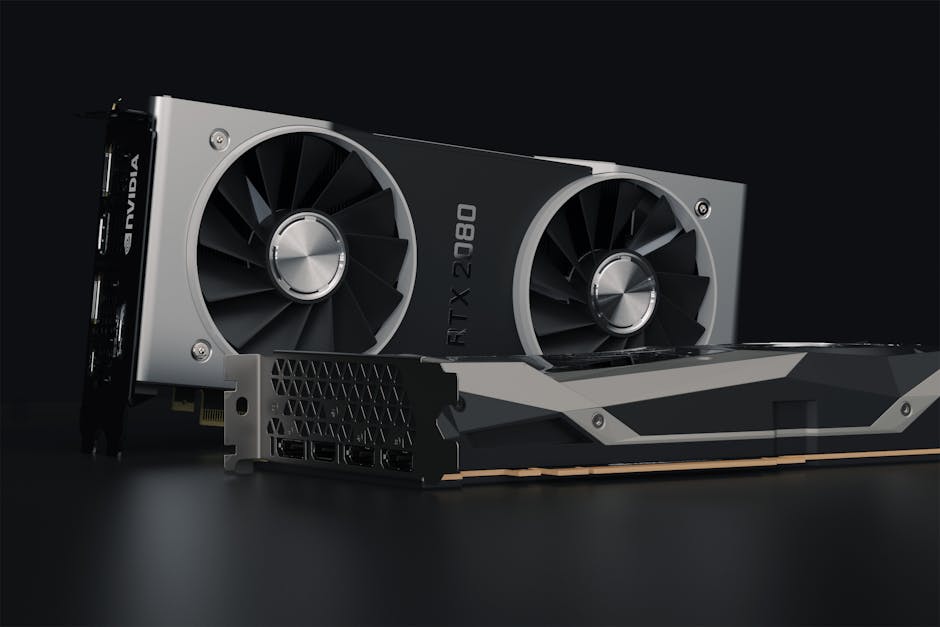
Nvidia’s RTX Spark architecture marks a significant departure from traditional PC processors. While specific core counts and clock speeds remain under wraps, the confirmed combination of Arm CPU cores and Blackwell GPU cores creates a unified platform optimized for parallel AI workloads. The Blackwell architecture, successor to the Hopper platform powering data center AI, brings tensor core advancements and improved energy efficiency to mobile devices. This means laptops equipped with Spark chips can run complex AI models like Stable Diffusion 3, Midjourney v7, or local LLMs (like Llama 3 or GPT-4o Mini) without constant cloud dependency.
Industry analysts project the chip will feature dedicated Neural Processing Unit (NPU) sections alongside the GPU, specifically for low-power AI tasks like background blur in video calls or real-time transcription. However, the Blackwell GPU cores will handle the heavy lifting for creative AI applications. Early benchmarks from Nvidia suggest the Spark chip delivers 2-3x the AI inference performance of current Intel Core Ultra Meteor Lake chips in specific creative workloads. This performance leap could reduce image generation times from minutes to seconds and enable real-time AI video editing effects that are currently impractical on most laptops.
The move to Arm architecture is particularly significant. Arm designs are inherently more power-efficient than the x86 architecture used by Intel and AMD, which translates to longer battery life during intensive AI content creation sessions. Microsoft’s full Windows on Arm support, including x64 emulation for legacy creative apps like Adobe Photoshop, removes the final major barrier to adoption. For creators, this means running AI-powered tools like Adobe Firefly, RunwayML, or Topaz Labs applications natively with maximum performance and minimum power drain.
Immediate Impact on AI Content Creation Tools and Workflows

The proliferation of chips like Nvidia’s RTX Spark will fundamentally alter the AI content creation software landscape. Currently, most advanced AI generation tools rely on cloud APIs, creating latency, ongoing costs, and privacy concerns. With laptop-grade hardware capable of running billion-parameter models locally, software developers will rapidly shift toward offline-first AI features. We expect to see major updates in 2026-2027 from industry-standard tools:
- Adobe Creative Cloud: Full local execution of Firefly generative fill, text effects, and vector generation within Photoshop and Illustrator.
- DaVinci Resolve & Adobe Premiere Pro: Real-time AI-powered object removal, scene cleanup, and automatic color grading without render previews.
- Canva & Figma: Instant layout generation and design system creation using on-device LLMs and diffusion models.
- Writing Assistants (Grammarly, Jasper, etc.): Complete document analysis and rewriting with no data sent to external servers.
For content strategists and bloggers using platforms like EasyAuthor.ai, this hardware evolution enables more sophisticated on-device content planning and generation. Imagine running a local instance of a fine-tuned GPT-4 class model that knows your entire content calendar, brand voice guidelines, and SEO keyword strategy—processing sensitive data locally without privacy risks. Batch operations like generating 50 SEO meta descriptions or rewriting 100 product descriptions become instantaneous tasks rather than API-limited processes.
The economic implications are equally significant. Current cloud-based AI services typically charge per token or image generation (e.g., OpenAI’s API at ~$0.002/1K tokens for GPT-3.5, or ~$0.08/image for DALL-E 3). Professional creators spending hundreds monthly on these services will see rapid ROI from investing in RTX Spark-equipped laptops. The shift moves AI from an operational expense (OpEx) to a capital expense (CapEx) model, favoring established creators and agencies over casual users.
Practical Strategies for Content Creators Preparing for the AI Hardware Shift
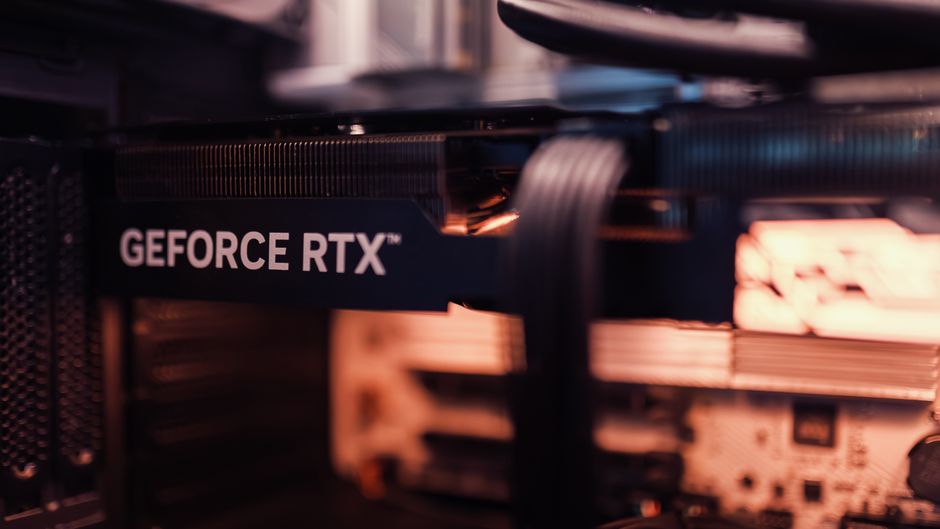
AI content creators should begin adapting their workflows and strategies now to leverage upcoming hardware advancements. The transition to local AI processing will favor certain approaches while making others obsolete.
1. Optimize Your Tool Stack for Local Execution
Start evaluating AI tools that already offer or are developing offline capabilities. For writing, tools like Ollama or LM Studio allow you to run open-source LLMs (Mistral, Llama 3) locally today. For images, Automatic1111’s Stable Diffusion WebUI or ComfyUI provide full local generation pipelines. Familiarize yourself with model quantization techniques (like GGUF or AWQ formats) that reduce model size for efficient local operation. When Spark-equipped laptops arrive in late 2026 or early 2027, you’ll already have workflows ready to migrate.
2. Develop Proprietary Local AI Models
With powerful local hardware, the competitive advantage shifts from who can afford the most API calls to who has the best fine-tuned models. Start building and curating training datasets specific to your niche. Use current cloud services to generate initial training data, then plan to fine-tune open-source models locally. For example, an SEO content agency could create a model specifically trained on Google’s helpful content guidelines and their own successful ranking articles. This model becomes a unique asset that runs privately on employee devices.
3. Rethink Content Production Economics
Calculate your current monthly AI service expenses across platforms like OpenAI, Midjourney, ElevenLabs, etc. Compare this to the projected cost of RTX Spark laptops (estimated $1,800-$2,500 premium segment). If you’re spending $300+/month on AI services, hardware investment pays off within 8-12 months—plus you gain privacy, speed, and unlimited usage. Budget for hardware upgrades in your 2026-2027 planning, prioritizing team members who generate the highest volume of AI-assisted content.
4. Master Hybrid Cloud-Local Workflows
Even with powerful local hardware, some tasks will remain cloud-optimal. Develop intelligent routing systems: use local models for draft generation, sensitive data processing, and rapid iterations, then leverage cloud models for final polish or specialized tasks requiring massive models (like video generation). Tools like EasyAuthor.ai’s workflow automation can be configured to switch between local and cloud AI endpoints based on content type, sensitivity, and quality requirements.
5. Future-Proof Your Content Formats
As AI hardware enables real-time multimedia generation, content formats will evolve. Prepare by developing skills in interactive content, personalized video generation, and adaptive learning materials. The latency reduction from local AI will make truly dynamic web pages possible—where content morphs based on reader behavior using on-device processing. Start experimenting with these concepts using current tools to build institutional knowledge before the hardware arrives.
The Competitive Landscape: What RTX Spark Means for AI Software Providers

Nvidia’s entry into the PC processor market with RTX Spark creates ripple effects across the AI software ecosystem. Companies that adapt quickly to leverage local hardware will gain significant advantages.
For AI content platforms like EasyAuthor.ai, the hardware shift presents both challenges and opportunities. The challenge: as powerful local alternatives emerge, purely cloud-based services face commoditization pressure. The opportunity: platforms that seamlessly integrate local and cloud AI can offer superior privacy, reliability, and cost structures. We anticipate leading platforms will develop “hybrid inference” engines that automatically distribute tasks between on-device models (for speed and privacy) and cloud models (for scale and specialization).
Plugin and integration developers for WordPress, Shopify, and other CMS platforms should begin preparing native AI modules that leverage local hardware. Imagine a WordPress plugin that generates SEO-optimized article drafts using the visitor’s own laptop GPU while they’re offline, then syncs when connected. Or a Shopify app that creates product descriptions locally during inventory updates. These local-first approaches reduce server costs and improve user experience.
The democratization of AI hardware also lowers barriers for specialized tool creation. Niche content creators—say, a YouTube channel about model railroads or a blog about vintage camera restoration—can afford to train and run highly specialized AI models that would never be commercially viable as cloud services. This fosters innovation at the edges of content creation that large platforms might overlook.
Forward-Looking Summary: The AI Content Creation Landscape in 2027
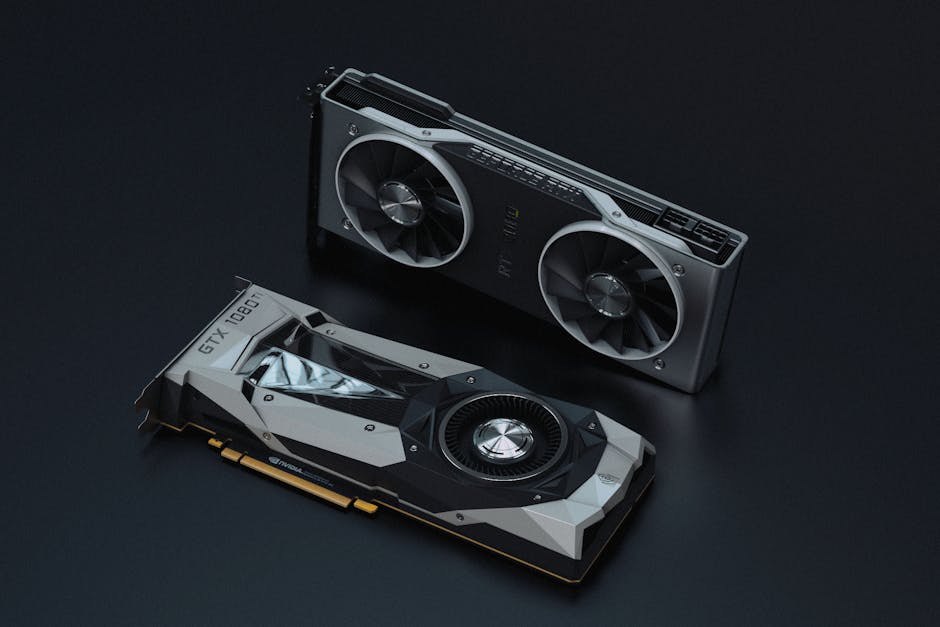
By late 2027, the AI content creation ecosystem will look fundamentally different due to hardware advancements like Nvidia’s RTX Spark. Content professionals will work with always-available AI assistants that understand their complete context—past articles, brand guidelines, audience analytics—without privacy concerns. Real-time collaboration will involve AI agents running locally on each participant’s device, negotiating content improvements in milliseconds. The line between “creator” and “curator” will blur as AI handles initial generation while humans focus on strategic direction and emotional resonance.
Successful content strategists will be those who master the new economics of AI: balancing local hardware investments against cloud service costs, developing proprietary models as competitive advantages, and designing workflows that leverage the unique strengths of each processing environment. The companies that thrive will build flexible infrastructure that accommodates both today’s cloud-dominant reality and tomorrow’s hybrid AI landscape.
Nvidia’s RTX Spark chip isn’t just another processor—it’s the hardware manifestation of AI’s transition from exotic cloud service to integrated creative partner. For content creators who prepare now, this transition represents unprecedented opportunities for productivity, creativity, and competitive differentiation. The AI hardware revolution begins in earnest in 2026, and its impact on content creation will be felt for decades.
