Nvidia H200 Chips and U.S.-China AI Battles: All You Need to Know
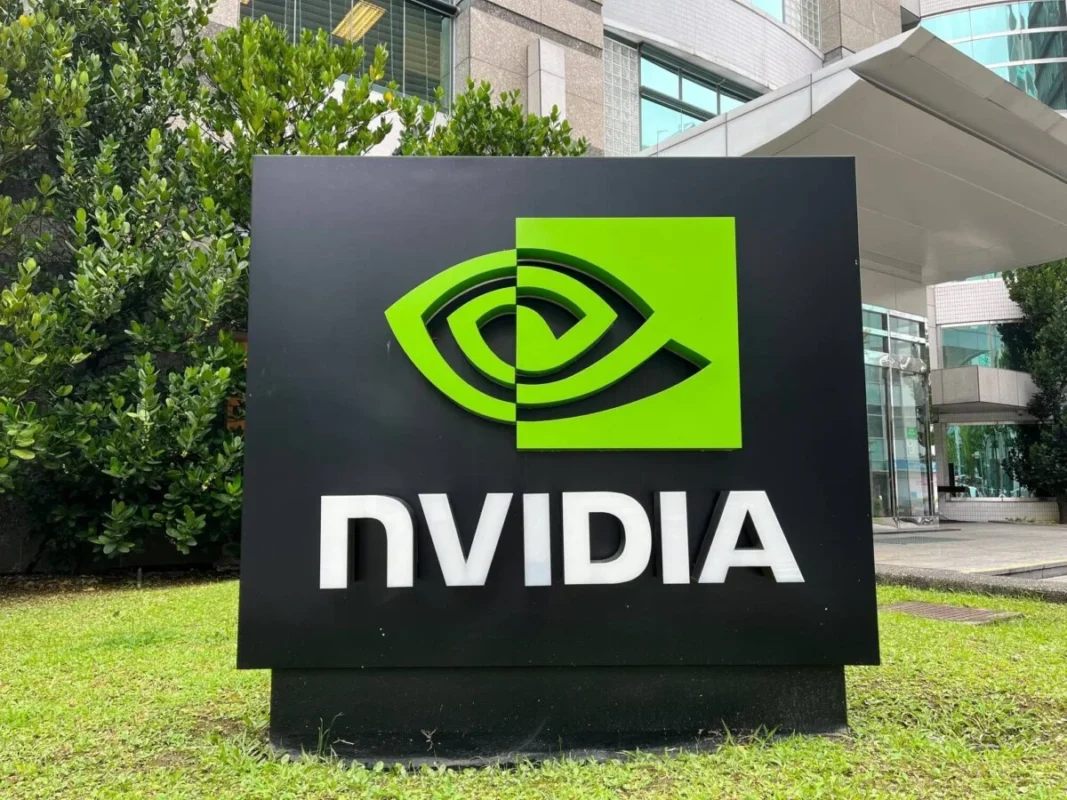
Recent developments have spotlighted the ongoing tug-of-war between the United States and China in the artificial intelligence (AI) chip industry. A pivotal player in this landscape is Nvidia, a global leader in semiconductor manufacturing. With the authorization to sell its advanced H200 chip to China, Nvidia faces a labyrinth of government restrictions, security requirements, and geopolitical dynamics.
The U.S. Stance on AI Chip Exports
The U.S. Commerce Department, under the Trump administration, approved the sale of Nvidia’s H200 chip to China. However, stringent rules have been attached. These restrictions ensure that American customers retain priority over their Chinese counterparts. The export limits include:
- A stipulation that no more than 50% of U.S. customer volumes can be shipped to China.
- The imposition of a 25% government tariff on any revenues generated from the sale of these chips.
- A requirement for third-party testing in the United States to verify compliance before exports.
- Conditional clearance based on security procedures and foundry capacity needs.
While these measures aim to strike a balance between competitiveness and national security, key U.S. lawmakers have criticized the move. Some argue it undermines America’s AI leadership and potentially aids military progress in China.
China’s Retaliation: Import Restrictions and Capping Chip Purchases
Following U.S. approval, Chinese customs blocked the H200 chip imports, adding greater uncertainty. Meanwhile, Beijing is drafting its own measures to cap the number of advanced AI chips domestic companies can purchase from international suppliers, such as Nvidia. This dual pressure — both from domestic regulations and foreign constraints — is reshaping how businesses operate in the AI sector in China.
According to reports from Nikkei Asia, Chinese officials have advised domestic firms to avoid the purchase of foreign-made chips unless deemed absolutely essential. Domestic chipmakers are ramping up production, which reflects China’s strategic pivot to self-reliance in key technologies.
What Makes the Nvidia H200 Significant?
The Nvidia H200 chip stands out because, unlike its predecessors designed for specific markets, it operates at full power both domestically and internationally. According to Nvidia CEO Jensen Huang, while this chip is not the company’s top performer anymore, it remains critical for high-level AI applications. Nvidia has forecasted that demand for H200 units in the Chinese market could generate an annual revenue of $50 billion.
Nonetheless, the landscape remains uncertain, as Beijing continues to push for domestic advancements in AI chip technology and reduce dependence on foreign suppliers.
What This Means for Tech Companies and Consumers
These regulatory and geopolitical chess moves highlight an uneasy reality for global tech giants. Balancing compliance while remaining profitable in the world’s fastest-growing technology market will require agility and strategy.
Recommended Product: Nvidia GeForce GTX GPUs
If you’re a tech enthusiast or developer, consider checking out the Nvidia GeForce GTX series for affordable and high-performance graphical computation. Explore Nvidia products here.
Conclusion
The battle over Nvidia’s AI chips underscores a broader struggle for dominance in AI and semiconductor technologies. For consumers and industry observers, the developments serve as a reflection of the critical role technological advancements play in shaping modern geopolitics.