Nike’s Strategic Shift Under New Leadership
Nike, the global sportswear giant, has made headlines by selling RTFKT, its digital products subsidiary, signaling the end of an ambitious venture into the world of Web3 and digital collectibles. The sale, which took place on December 16, 2025, was confirmed by reports from OregonLive, although the buyer’s identity and financial terms of the deal remain undisclosed.
RTFKT, acquired by Nike in 2021, gained attention for its unique non-fungible tokens (NFTs) and digital products. Despite initially being a key player in Nike’s aggressive digital expansion strategy, the sale aligns with CEO Elliott Hill’s new direction for the company, which places greater emphasis on core sports products and traditional retail partnerships. Hill’s approach represents a shift from his predecessor John Donahoe’s digital-first focus.
The Decline of RTFKT and Emerging Retail Focus
The decision to sell RTFKT follows significant strategic changes and challenges. In January 2025, RTFKT confirmed its plans to end all Web3-related services, signaling internal struggles. While divesting the subsidiary may seem like a step away from the digital realm, Nike maintains its commitment to virtual innovations. Notably, the brand has partnerships with gaming platforms like Fortnite and EA Sports, offering in-game wearables and virtual products—substantiating its presence in the digital space without relying on NFTs.
Additionally, Nike has renewed wholesale partnerships with retailers such as Foot Locker and Dick’s Sporting Goods. These collaborations reflect an effort to revitalize traditional retail channels, a stark departure from the direct-to-consumer model championed under Donahoe’s leadership.
Challenges Continue: What’s Next for Nike?
As the company realigns its priorities, challenges persist. The Converse brand, a longstanding staple under the Nike umbrella, reported a significant 30% drop in quarterly sales toward the end of 2025. Market analysts have speculated about the potential divestiture of Converse, yet Nike has not publicly addressed these rumors.
The sale of RTFKT also sparked legal disputes. An investor lawsuit alleges that Nike’s closure of the subsidiary devalued virtual sneakers held by collectors. As of December 2025, Nike has filed a motion to dismiss the case.
Explore New Horizons: Nike’s Continued Innovation
Despite stepping away from NFTs, Nike remains a frontrunner in innovation. Initiatives like their gaming collaborations highlight how brands can engage with audiences across virtual platforms. If you’re intrigued by virtual products, check out Nike’s latest gaming collaborations on Fortnite and EA Sports—offering exclusive in-game items that blend style and technology seamlessly.
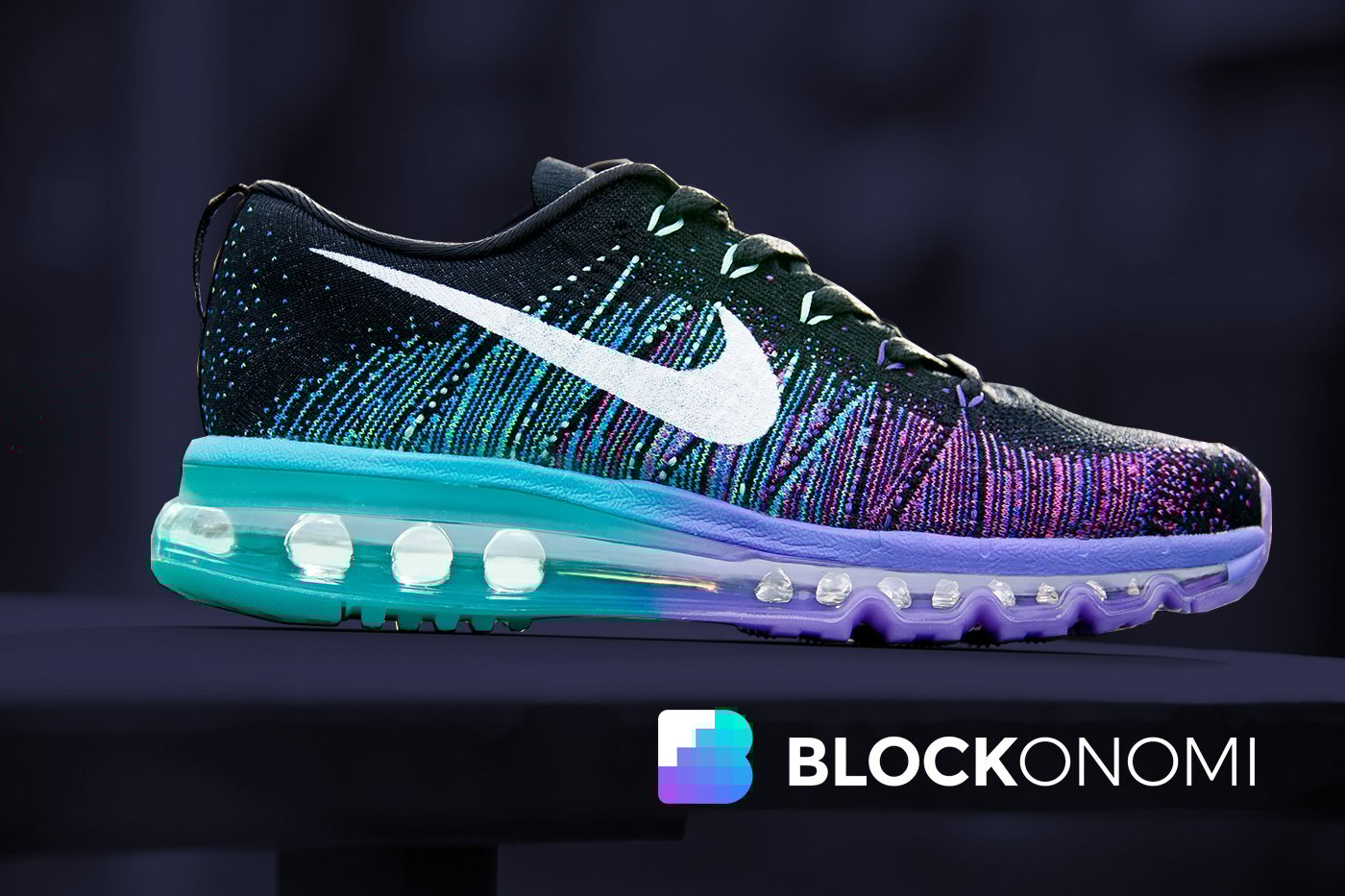
For fitness enthusiasts exploring Nike’s physical product lineup, consider adding the Nike Air Zoom Pegasus 39 to your collection—designed for unmatched comfort and performance in every step.
The message is clear: Nike is evolving, prioritizing established markets while leveraging digital tools to elevate its relevance in a competitive global market.