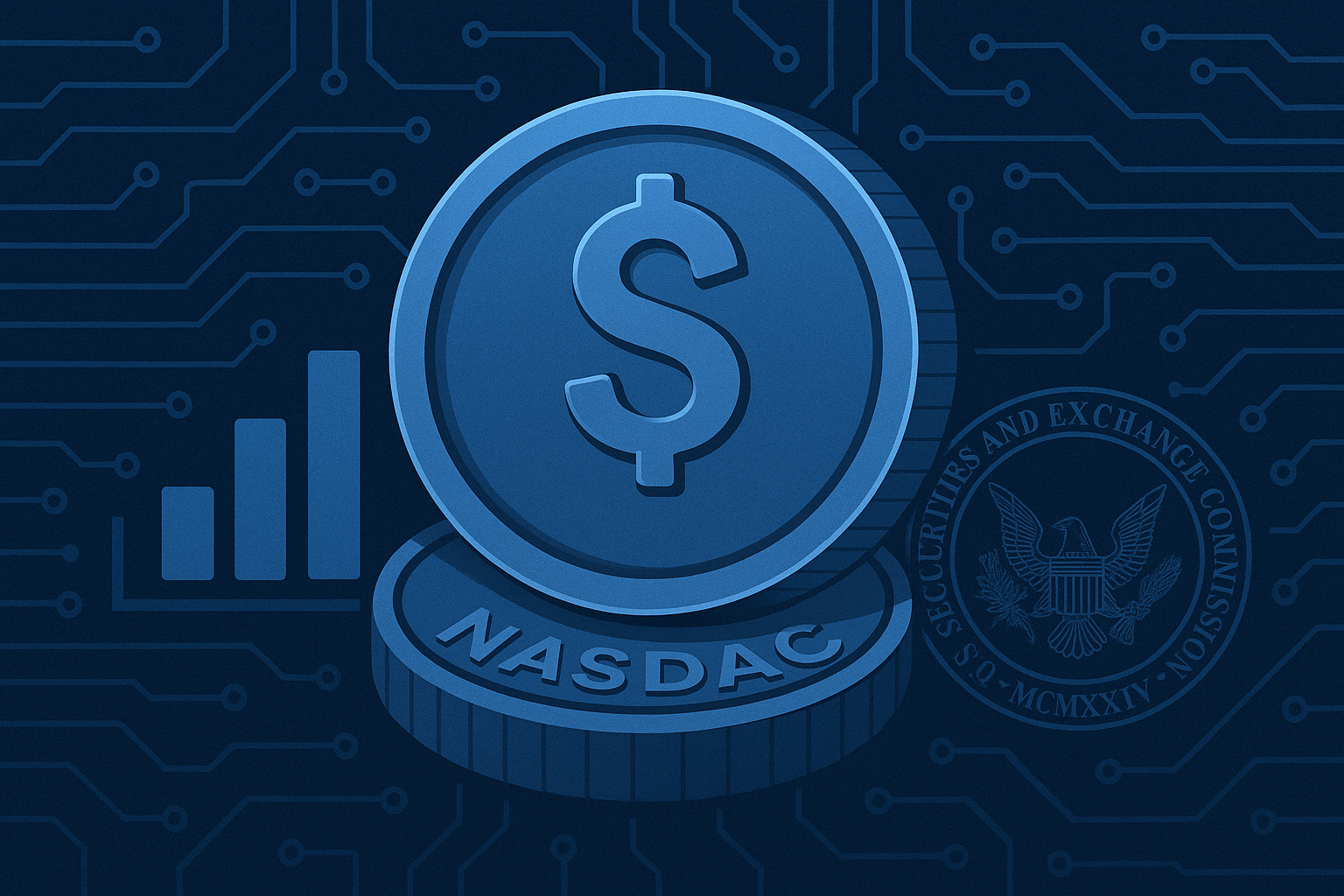
Nasdaq has taken a significant leap towards integrating blockchain technology into mainstream equity trading by proposing the listing of tokenized shares. As these blockchain-based securities undergo a formal review by the U.S. Securities and Exchange Commission (SEC), the financial world is at a crossroads. This move could redefine how stocks are bought, sold, and settled. But what exactly does this mean for investors and markets?
What Are Tokenized Shares?
Tokenized shares are digital representations of traditional stocks, created and managed using blockchain technology. These digital tokens provide the same shareholder rights as traditional shares but offer the potential for faster and more cost-effective settlements. By placing both tokenized and conventional securities on the same order book, Nasdaq aims to create a unified, seamless trading experience for investors.
The SEC Review: What’s at Stake?
The SEC’s review of Nasdaq’s proposal is a critical step in determining the future of tokenized equities. While the blockchain framework promises operational efficiency, regulators are focused on whether it can align with existing legal and market structures. Issues under scrutiny include investor protection, settlement integrity, and legal certainty.
Under Nasdaq’s plan, tokenized stocks would coexist with traditional shares. The Depository Trust & Clearing Corporation (DTCC) would continue to manage clearing and settlement. However, blockchain technology would streamline operations, potentially speeding up settlement times and cutting costs.
Efficiencies Versus Risks
Supporters argue that tokenization could modernize financial markets by reducing inefficiencies in post-trade processes. For instance, the U.S. Commodity Futures Trading Commission has recently approved pilot programs allowing tokenized assets as collateral. This demonstrates growing acceptance of blockchain innovations. However, not everyone is convinced.
Critics, including firms like Ondo Finance and Cboe Global Markets, have expressed concerns about Nasdaq’s proposal. They call for clearer settlement frameworks and stress the need for robust guidance from the DTCC. The fear is that any misstep could introduce unforeseen risks, undermining the very safeguards that have kept traditional markets stable.
How Could This Affect Financial Markets?
If the SEC approves Nasdaq’s framework, tokenized shares could revolutionize the way we trade securities. By integrating blockchain technology, the equity market could achieve faster settlement speeds, lower transaction costs, and enhanced efficiency. Additionally, investors wouldn’t need separate platforms or systems—traditional and tokenized shares would operate within the same environment.
A Step Towards Broader Blockchain Adoption?
Nasdaq’s proposal underscores the growing interest in blockchain’s role in finance. Whether this marks the start of widespread adoption hinges on the outcome of the SEC review and subsequent industry responses. As the lines between traditional and blockchain-driven markets blur, the long-term implications for global finance could be transformative.
Maximize Your Knowledge with the Right Tools
For those exploring the world of cryptocurrency and blockchain-enhanced assets, having a reliable platform to begin your journey is crucial. eToro, one of the leading platforms for trading traditional financial instruments and cryptocurrencies, is a great place to start. Featuring user-friendly tools and comprehensive guides, eToro enables you to explore the potential of blockchain technology and tokenized assets effectively.
The Road Ahead
The SEC’s decision will likely have ripple effects across global financial markets. Whether tokenized shares become a standard offering or face further regulatory hurdles, one thing is clear: blockchain is reshaping the future of finance, and it’s happening faster than many anticipated. Investors, institutions, and regulators alike are preparing for a new era where traditional and digital finance intersect.