In a major development for the financial sector, Morgan Stanley has unveiled plans to expand its footprint in the digital asset space with a full rollout slated for 2026. This strategic move includes the introduction of direct spot crypto trading, a proprietary digital wallet, and in-house crypto exchange-traded funds (ETFs), solidifying its position at the forefront of blockchain-enabled institutional finance.
What’s Morgan Stanley Planning for 2026?
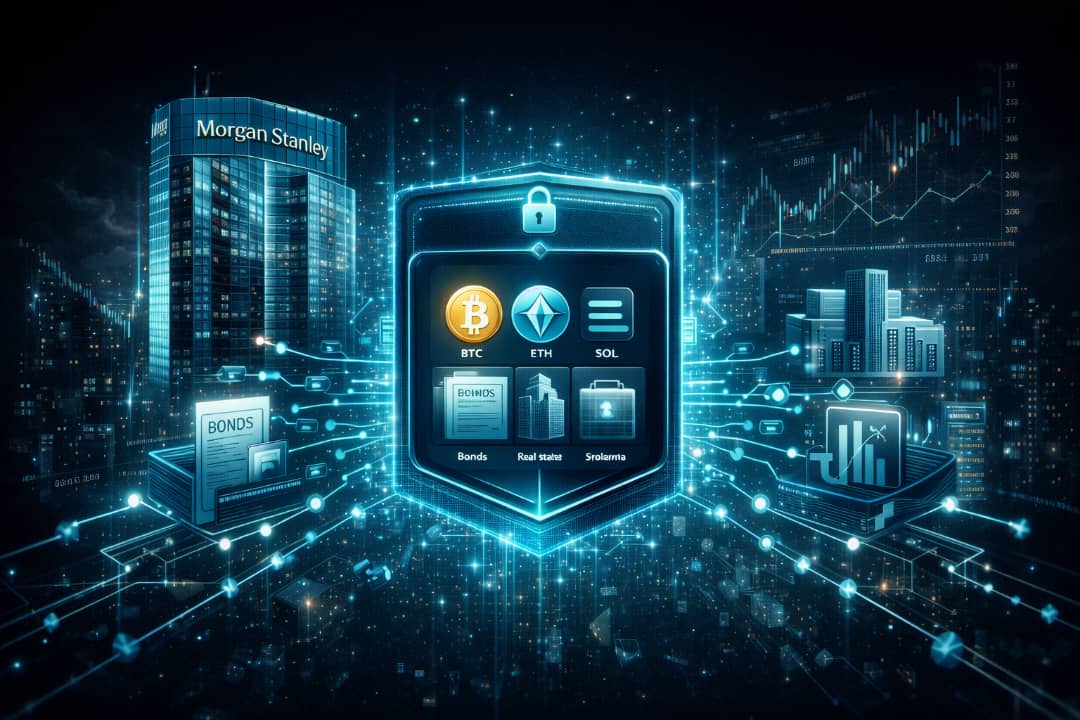
Morgan Stanley’s ambitious initiative will roll out in two phases. The first phase, scheduled for the first half of 2026, will see the launch of direct spot crypto trading on the firm’s E*Trade platform. Initially, this trading functionality will focus on Bitcoin (BTC), Ethereum (ETH), and Solana (SOL). By leveraging its partnership with Zero Hash, Morgan Stanley aims to ensure institutional-grade liquidity, compliance, and custody protocols as it pioneers regulated trading environments for its clients.
The second phase, set for the latter half of the year, will introduce the firm’s proprietary digital wallet. Unlike traditional wallets, this self-custodied solution is designed to hold more than just cryptocurrencies. It will also support tokenized real-world assets (RWAs), including private equity shares, bonds, and real estate, giving clients a unified interface for both digital and traditional assets. By incorporating blockchain-based tokenization, the wallet promises faster settlement times, transparent ownership, and enhanced liquidity.
The Tokenization Revolution
Tokenized real-world assets are changing how traditional finance operates. Tokenization allows digital representation of assets, enabling instant transactions and reducing operational friction in markets notorious for slow settlements. Morgan Stanley’s new wallet could serve as a game-changer, offering clients unprecedented access to assets like tokenized real estate or tokenized private equity shares.
Jed Finn, the head of Morgan Stanley Wealth Management, described this initiative as “more than a step into crypto—it’s a complete ecosystem designed for long-term adoption of digital assets.”
Crypto ETFs: Bridging Blockchain and Traditional Finance
The firm isn’t stopping at wallets and trading platforms. In early January 2026, Morgan Stanley filed S-1 forms with the U.S. Securities and Exchange Commission (SEC) to launch ETFs for spot Bitcoin, Ethereum, and Solana. Demonstrating a robust understanding of institutional demands, these funds will also include staking rewards for holding certain assets. This dual approach ensures that investors can not only buy and hold these ETFs but also earn yield from them.
This marks a substantial shift from merely partnering with custodial providers to having full ownership and control of these digital asset solutions. By providing end-to-end support for trading, earning, and managing crypto and tokenized assets, Morgan Stanley is helping to mainstream blockchain applications in institutional portfolios.
Why This Matters for Investors
Morgan Stanley’s comprehensive digital asset strategy aligns with regulatory advancements in the United States, such as the GENIUS Act for stablecoin regulations and updated ETF guidelines. As these frameworks mature, more financial institutions will feel confident stepping into the space. With its emphasis on seamless integration between blockchain and traditional finance, Morgan Stanley is not just responding to market demand—it is actively shaping the future of wealth management.
For investors, this represents a remarkable opportunity to explore diversified investment options in a compliant, secure, and forward-looking manner. Whether it’s gaining exposure through ETFs or utilizing the tokenized asset capabilities of the upcoming wallet, Morgan Stanley’s initiatives are designed to cater to both retail and institutional markets.
Explore the Future of Wealth Management
Morgan Stanley’s developments reflect a broader shift across global financial institutions. The integration of digital assets into mainstream finance is no longer just a theoretical possibility—it’s happening. If you’re an investor looking to keep up with the latest trends, exploring reliable financial tools like the Ledger Nano X Hardware Wallet can help you securely manage your crypto holdings. With options for Bitcoin, Ethereum, and many others, this wallet ensures both accessibility and security for your digital assets.
As the financial world evolves, 2026 could be the pivotal year when digital assets transition from niche markets to essential components of investment strategies. Stay informed and prepared as we enter this exciting phase of financial innovation.